 EN
EN
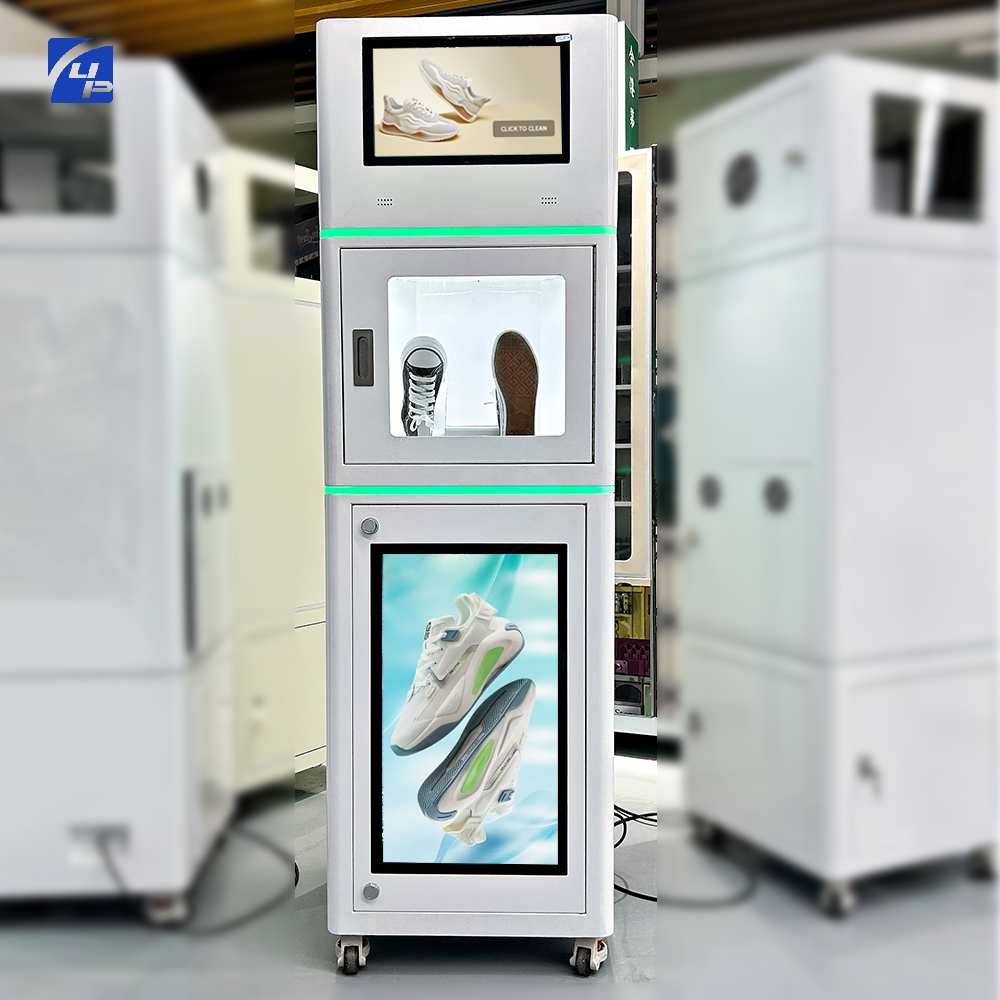
Revolutionizing Public Sanitation Through Advanced Footwear Cleaning Technology
In our modern world, where public health and sanitation have become paramount concerns, shoe washing machines are emerging as an innovative solution to enhance hygiene standards in public spaces. These sophisticated cleaning systems are transforming how we approach foot traffic cleanliness in hospitals, food processing facilities, clean rooms, and other sensitive environments. The integration of shoe washing machines into public facilities represents a significant leap forward in contamination control and disease prevention strategies.
As we navigate through post-pandemic consciousness about hygiene, facility managers and public health officials are increasingly recognizing the vital role that footwear sanitation plays in maintaining clean and safe environments. Shoe washing machines offer an automated, efficient, and thorough approach to eliminating harmful pathogens and contaminants that we unknowingly track through public spaces.
The Science Behind Footwear Contamination Control
Understanding Cross-Contamination Through Footwear
Research has shown that shoes can carry thousands of bacteria per square inch, making them significant vectors for cross-contamination in public spaces. When people walk through various environments, their shoes collect and transport numerous contaminants, including harmful bacteria, viruses, and other microscopic particles. These pathogens can survive on shoe surfaces for extended periods, creating potential health risks in sensitive areas.
Shoe washing machines address this challenge by implementing sophisticated cleaning mechanisms that effectively eliminate these contaminants. The technology employs a combination of mechanical action, specialized cleaning solutions, and sometimes UV sterilization to ensure comprehensive sanitization of footwear.
Advanced Cleaning Technology in Modern Systems
Modern shoe washing machines utilize cutting-edge technology to achieve optimal cleaning results. These systems typically feature automated brush mechanisms that can clean both the soles and sides of shoes simultaneously. The machines use specialized cleaning solutions designed to break down organic matter and eliminate pathogens while being safe for various types of footwear materials.
Many advanced models incorporate multiple cleaning stages, including pre-washing, main washing, and final sanitization phases. This systematic approach ensures thorough cleaning and maximizes the elimination of harmful microorganisms.
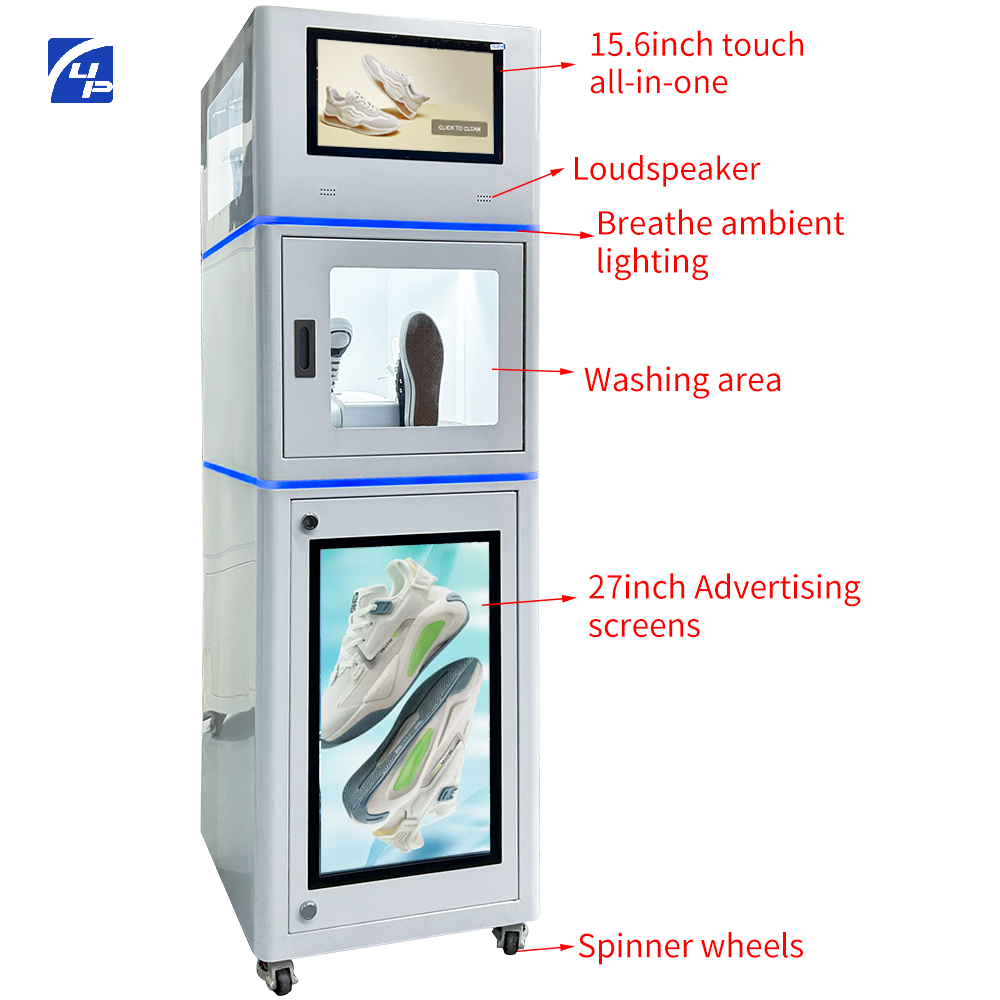
Implementation Strategies for Public Spaces
Strategic Placement and Installation
The effectiveness of shoe washing machines largely depends on their strategic placement within public facilities. Optimal locations include entry points to clean areas, transitions between different zones in healthcare facilities, and high-traffic areas where contamination control is crucial. Facility managers must consider factors such as foot traffic flow, space availability, and proximity to water and electrical connections when planning installations.
Professional installation ensures proper integration with existing building systems and maximizes the machines' efficiency. This includes considerations for drainage systems, power supply requirements, and accessibility for maintenance personnel.
Maintenance and Operating Protocols
Regular maintenance of shoe washing machines is essential for their continued effectiveness. This includes daily cleaning of the brushes and filters, periodic replacement of cleaning solutions, and scheduled technical inspections. Establishing clear operating protocols helps ensure consistent performance and extends the equipment's service life.
Staff training programs should be implemented to educate users on proper machine operation and maintenance procedures. This includes understanding cleaning cycles, appropriate footwear types, and troubleshooting basic issues.
Benefits for Different Sectors
Healthcare Facilities and Laboratories
In healthcare settings, shoe washing machines play a crucial role in infection control protocols. These machines help maintain sterile environments in operating rooms, intensive care units, and clean rooms. By reducing the transfer of pathogens through footwear, they contribute to lower infection rates and improved patient safety.
Laboratories and pharmaceutical facilities benefit from these systems by maintaining controlled environments necessary for research and production. The machines help prevent cross-contamination that could compromise experimental results or product quality.
Food Processing and Manufacturing
Food processing facilities utilize shoe washing machines to maintain high hygiene standards required by food safety regulations. These systems are particularly valuable in areas where workers transition between different processing zones, helping prevent cross-contamination between raw and finished product areas.
Manufacturing facilities, especially those producing sensitive electronic components or medical devices, rely on shoe washing machines to maintain clean room conditions and meet industry standards for contamination control.
Future Trends and Innovations
Smart Technology Integration
The future of shoe washing machines lies in smart technology integration. Emerging developments include IoT-enabled systems that can track usage patterns, monitor cleaning solution levels, and automatically schedule maintenance. These smart features help facility managers optimize machine performance and reduce operational costs.
Advanced sensors and monitoring systems are being developed to provide real-time feedback on cleaning effectiveness and system performance. This data-driven approach enables continuous improvement of cleaning protocols and better resource management.
Sustainable Solutions
Environmental consciousness is driving innovations in eco-friendly shoe washing machines. New models feature water recycling systems, biodegradable cleaning solutions, and energy-efficient operations. These developments align with growing corporate sustainability initiatives while maintaining high cleaning standards.
Manufacturers are also exploring alternative sanitization methods, such as advanced UV technology and sustainable materials, to reduce environmental impact while enhancing cleaning effectiveness.
Frequently Asked Questions
How often should shoe washing machines be cleaned and maintained?
Professional maintenance should be performed monthly, with daily cleaning of brushes and filters. The cleaning solution should be changed according to usage frequency, typically every 1-2 weeks in high-traffic areas. Regular inspections of mechanical parts and sanitization systems should be conducted quarterly.
What types of footwear can be safely cleaned in shoe washing machines?
Most shoe washing machines are designed to clean standard work boots, safety shoes, and regular closed-toe footwear. However, specific models may have limitations regarding high-heels, fabric shoes, or certain materials. Always consult the manufacturer's guidelines for compatible footwear types.
How long does a typical shoe cleaning cycle take?
A standard cleaning cycle typically takes 20-30 seconds for basic sanitization, while more thorough cleaning cycles may take 45-60 seconds. Some advanced models offer adjustable cycle times based on the level of cleaning required and facility protocols.