 EN
EN
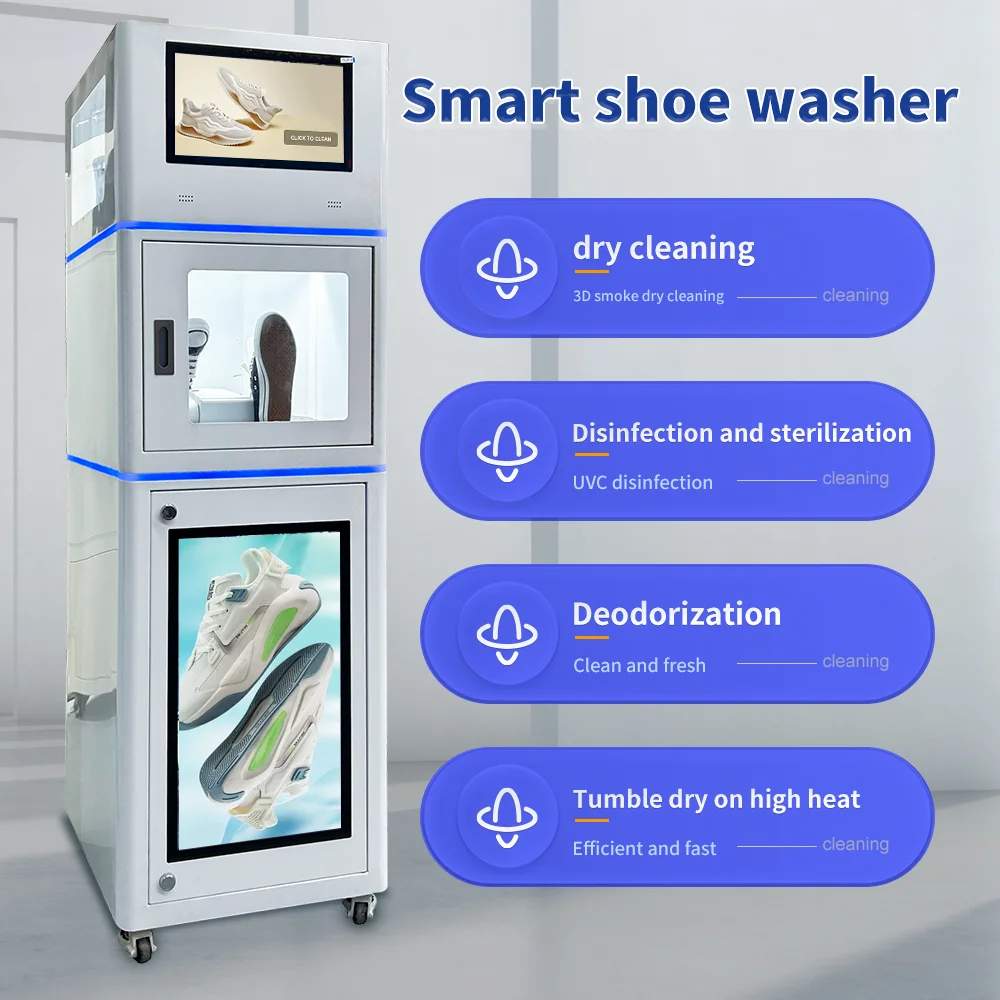
הנקיון המודרני של מכנסיים התפתח במידה רבה עם הכניסה של טכנולוגיות ניקיון אוטומטיות. מכונת ניקוי נעליים מייצגת גישה מהפכנית לשמירה על נעליים מושלמות תוך שימור האינטגריות של חומרים ושיטות יצור מגוונים. מכשירים חדשניים אלו משתמשים במנגנוני ניקיון מתקדמים שחדירים לעומק סיבי הבד ומשטחי העור ללא גרימת נזק מבנייני או ירידה באסתטיקה. הטכנולוגיה שעומדת מאחורי מערכות מכונות ניקוי נעליים מקצועיות משלבת בקרה מדויקת על לחץ המים, סינון הטמפרטורה והזרקת סבונים מיוחדים כדי להשיג תוצאות ניקיון עילית. הבנת אופן פעולתן של מכונות אלו ואופן הגשתן ביצועי ניקיון יוצאי דופן תוך הגנה על ההשקעות היקרות בנעליים הפכה לחיונית הן לבעלי עסקים והן לצרכנים בוחנים המחפשים פתרונות מקצועיים לטיפול בנעליים.
טכנולוגיית ניקיון מתקדמת ומנגנונים
תהליך ניקוי רב שלבי
מערכות מכונות מקצועיות לניקוי נעליים משתמשות בתהליכי ניקוי מתקדמים רב-שלביים שמתמודדים עם סוגי זיהום ורמות אבק שונות. שלב הקדמה הראשוני כולל הפעלת מים בעדינות כדי לרכך את האבק המוטבע ולכין את המשטחים לפעולה מעמיקה יותר של ניקוי. חיישנים מתקדמים בתוך מכונת ניקוי הנעליים מזהים את סוגי החומרים ומכווננים באופן אוטומטי את פרמטרי הניקוי בהתאם. מערכת חכמה זו מונעת ניקוי עז מדי שיכול לפגוע בחומרים עדינים כמו סואדה או עור אקזוטי.
שלב הניקוי העיקרי משתמש בזרמי מים מבוקרים במדויק שיוצרים לחץ ניקוי אופטימלי ללא פגיעה במבנה הנעל. תכנונים מודרניים של מכונות לניקוי נעליים כוללים מערכות מברשות מסתובבות שמתאימות לפרופילים ולחומרים שונים של נעליים. המברשות האלה פועלות במהירויות ובלחצים משתנים, מה שמבטיח ניקוי מקיף תוך שמירה על מגע עדין באזורים רגישים. הטכנולוגיה מונעת דליפת צבעים ועוות חומר באמצעות ניטור זהיר של משך הניקוי ורמת החוזק שלו.
מערכות בקרת טמפרטורה ולחץ
בקרת הטמפרטורה מהווה רכיב קריטי בתפעול אפקטיבי של מכונת כביסה לנעליים. מערכות מתקדמות לניהול תרמי שומרות על טמפרטורת המים האופטימלית כדי למקסם את יעילות הניקוי, תוך מניעת נזק תרמי לדבקים וחומרים סינתטיים. מכונת כביסה לנעליים עוקבת אחר הטמפרטורה באופן רציף לאורך מחזור הכביסה, ומבצעת התאמות בזמן אמת כדי להבטיח ביצוע עקבי. דיוק זה מונע הפרדת הנעל מהתחתית וכווץ החומר שיכולים להתרחש בשל בקרת טמפרטורה לא נכונה.
טכנולוגיית בקרת הלחץ במערכות מודרניות של מכונות לכביסה נעליים משתמשת במנגנוני שסתומים מתקדמים ומגבילי זרימה כדי לספק רמות לחץ מים מדויקות. אפשרויות לחץ משתנות מתאימות לסוגי נעליים שונים, מהנעלי ספורט עדינות מבד קנבס ועד לנעלי עבודה עבות. המערכת מפחיתה אוטומטית את הלחץ בעת כביסה של חומרים קלים ומעלימה את העוצמה עבור נעליים מאוד מלוכלכות. גישה מסתגלת זו מבטיחה ניקוי מעמיק ללא גרימת נזק מבנייני או שחיקה על פני השטח.
הגנה על החומר וההתאמה שלו
טיפוח עור וחומרים אקזוטיים
לנעלי עור יש צורך במערכת טיפול מיוחדת בתהליכי הניקוי האוטומטיים. מכונת ניקוי נעליים איכותית כוללת פרוטוקולי ניקוי מיוחדים לעור, המשתמשים בסבונים בעלי ערך pH מאוזן וברמות לחות מבוקרות. המערכת מזהה משטחים מעור באמצעות טכנולוגיית זיהוי חומר מתקדמת ומפעילה אוטומטית התאמות לפרמטרי הניקוי כדי למנוע סדקים, קשיחות או פיחות צבע. סוכני טיפוח מופעלים לעיתים קרובות בתוך תהליך הניקוי כדי לשמור על גמישות המראה של העור.
חומרם הזר שכולל עור מצופה, עור של זוחלים וסיומים מתכתיים דורשים טיפול מדויק אף יותר בתפעול מכונות ניקוי נעליים. חומרים אלו לרוב מצוידים במעטפות הגנה או בטקסטורות ייחודיות של המשטח הדורשות גישות ניקוי עדינות. מערכות מודרניות משתמשות בהגדרות מברשות מיוחדות וברמות עירוב מופחתות בעת עיבוד חומרים זרים. מכונה לכביסה של נעליים הטכנולוגיה כוללת מסדי נתונים של חומרים שמנחים את פרוטוקולי הניקוי עבור מאות סוגי חומרים וצירופים שונים.
עיבוד בדים סינטטיים וטכנולוגיים
נעלי ספורט ונעלי טכנולוגיה לרוב כוללות חומרים סינטטיים מתקדמים וקרומים נושמים הדורשים שיקול דעת מיוחד בניקוי. מכונת ניקוי נעלי מקצועית חייבת לשמור על תפקודן של התכונות הטכנולוגיות הללו תוך השגת תוצאות ניקוי מעמיקות. קרומים נגד חדירת מים, ריפודים המניעים את האדים, וטיפולים אנטי-מיקרוביאליים עלולים להיפגע всריטות ניקוי לא מתאימות או בחומרים כימיים קשיחים.
מערכות מודרניות לכביסה של נעליים משתמשות בסוכני ניקוי מיוחדים שמתאימים לבדים טכניים וחומרים סינתטיים. תהליך הכביסה שומר על הנשימות של פאנלים מסורגים ומשמר את שלמותם של אלמנטים רגשיים והרכיבים של עור סינטטי. מערכות סינון מתקדמות בתוך מכונת כביסה לנעליים מונעות זיהום בין סוגי חומרים שונים ומבטיחות שהטיפולים המיוחדים המופעלים על נעלי ספורט נשארים יעילים גם לאחר הכביסה.
טכנולוגיות למניעת נזקים
הגנה על הכף והדבק
בניית הנעלים מסתמכת במידה רבה על מגוון דבקים וסוכני הדבקה שיכולים להיות רגישים ללחות ולחשיפה כימית. טכנולוגיית מכונות הכביסה המקצועיות לנעלים פועלת כדי להתמודד עם חששות אלו באמצעות זמני חשיפה מבוקרים ופרוטוקולי ייבוש מיוחדים. המערכת עוקבת אחר נקודות המתח בדבקים ומעדכנת את עוצמת הנקיה באזורים שבהם הסיכוי להיפרדות הנעל מהתחתית הוא הגבוה ביותר. תכנונים מתקדמים של מכונות כביסה לנעלים כוללים מנגנוני הגנה על התחתית שמשמרים את אזורים הבידוד הקריטיים במהלך תהליך הכביסה.
ניהול הטמפרטורה משחק תפקיד קריטי בשימור האינטגריות של החומרים הדביקים במהלך פעולות מכונת הכביסה לנעליים. חום מופרז עלול לרפות את החומרים הדביקים ולגרום להיפרדות הנעל מהכף, בעוד שטמפרטורות לא מספיק גבוהות עלולות להוביל לניקוי בלתי מלא. מערכות מודרניות משתמשות במערכת ניטור טמפרטורה באינפרא אדום כדי להבטיח שהאזורים הקריטיים לחומר הדביק ישארו בתוך טווחי הטמפרטורה הבטוחים לאורך מחזור הניקוי כולו. דיוק זה מונע נזקים יקרים תוך שמירה על יעילות הניקוי.
שימור הצבע והסיום
עמידות לצביעה ושימור המראה מהווים אתגרים משמעותיים בנקיות אוטומטית של נעליים. מכונת ניקוי נעליים מתקדמת משתמשת בתערובות ניקוי שמשמרות צבע ובדרכים עדינות לערבוב כדי למנוע דליפת צבע ושחיקה של המראה. המערכת משתמשת בניתוח ספקטרלי לזיהוי חומרים רגישים לצבע ומסתגלת אוטומטית לפרוטוקולי הניקוי כדי למזער את אובדן הצבע. בדיקות טרום-טיפול מבטאות שסוכני הניקוי תואמים לסוגי הצבועים והג finishes הספציפיים.
הגנה על מראה המשטח במערכות לכביסה של נעליים כוללת ניהול זהיר של מגע המברשות וריכוז סוכני הניקוי. מראות מבריקים, טקסטורות מאט וציפויים מיוחדים דורשים גישות ניקוי שונות כדי לשמור על המראה המקורי שלהם. הטכנולוגיה כוללת תכניות ניקוי שמיועדות לסוגי המראה הספציפיים, אשר שומרות על מאפייני המשטח תוך השגת הסרת זליגות מקיפה. מערכות מתקדמות לכביסה של נעליים שומרות מסדי נתונים של סוגי המראה ופרמטרי הניקוי המתאימים.
טכנולוגיית סוכני הניקוי והנוסחאות שלהן
פתרונות ביודגרדבילים וידידותיים לסביבה
המודעות הסביבתית דחפה את הפיתוח של תרכובות ניקוי ידידותיות לסביבה ליישומים של מכונות לכביסה של נעליים. מערכות מודרניות משתמשות בסבונים ומשחמים ניתנים לשבירה ביולוגית שמסירים ביעילות אבק, כתמים ואלמנטים זרים ללא השפעה סביבתית. תרכובות אלו שומרות על יעילות הניקוי תוך הקטנת הרגל הכימית ותמיכה בעקרונות עסקיים ברת-קיימא. טכנולוגיית מכונות הכביסה לנעליים כוללת מערכות מדידה מדויקות שממזערות את הפסולת וממגינות על יעילות השימוש בחומרי הניקוי.
סוכני ניקוי מבוססי צמחייה בתוך מערכות מכונות לניקוי נעליים מספקים ביצועי ניקוי מצוינים תוך כדי שמר על חומר הנעליים ובטוחים למשתמשים. תערובות אלו כוללות לעתים קרובות אנזימים טבעיים המפרקים זיהומים אורגניים ובakterיות הגורמות לריחות רעים. תהליך הניקוי מסיר זיהומים מוטבעים תוך שמירה על שלמות החומר ומונע הצטברות של שאריות כימיות. עיצובים מתקדמים של מכונות לניקוי נעליים מבטיחים מחזורי שטיפה מלאים המעלימים את שאריות סוכני הניקוי.
יכולות מיוחדות להסרת כתמים
סוגים שונים של כתמים דורשים גישות טיפול ממוקדות בתפעול מכונות לכביסה של נעליים. כתמים מבוססי שמן, פלטת חלבון וצמיחת מינרלים כל אחד מהם מגיב לסוגי סוכני ניקוי ושיטות טיפול ספציפיות. מערכות מודרניות משלבות טכנולוגיית זיהוי כתמים שמנתחת את סוגי הזיהום ובוחרת אוטומטית את תערובות הניקוי המתאימות. מכונת כביסת הנעליים מעדכנת את משך הטיפול ועוצמתו בהתאם לתכונות הכתם והתאמתו לחומר ממנו עשויה הנעל.
מערכות קדם-טיפול בדמויות מתקדמות של מכונות לכביסה של נעליים מחלקות סוכני הסרת כתמים ממוקדים לפני שהמחזור העיקרי של הניקוי מתחיל. גישה זו מבטיחה את יעילות הסרת הכתמים המירבית תוך מינימיזציה של החשיפה של חומרים רגישים לסוכני ניקוי אגרסיביים. הטכנולוגיה שומרת רשומות מפורטות על סוגי הכתמים ויעילות הטיפול, ומשפרת באופן רציף את פרוטוקולי הניקוי באמצעות אלגוריתמי למידת מכונה.
תהליכי ייבוש וסיום
טכנולוגיית ייבוש מבוקרת
יבוש תקין מהווה רכיב קריטי בתפעול מכונות כביסה לנעליים, אשר משפיע ישירות על שלמות החומר והמראה הסופי. מערכות יבוש מתקדמות משתמשות בדפוסי זרימת אויר מבוקרים ובניהול טמפרטורה כדי להבטיח הסרת לחות אחידה ללא התכווצות או עיוות. מכונת כביסה לנעליים עוקבת אחר רמות הלחות לאורך תהליך היבוש ומעדכנת את הפרמטרים כדי למנוע יבוש יתר או הסרת לחות בלתי מספקת.
טכנולוגיית יבוש מרובה אזורים בתוך מערכות מקצועיות של מכונות כביסה לנעליים מתמודדת עם דרישות יבוש שונות עבור רכיבים שונים של הנעל. עליונות מעור דורשות תנאי יבוש אחרים מאשר כפות סינטטיות או פסי פנים מבד. המערכת שולטת באופן עצמאי בטמפרטורה וזרימת האויר עבור אזורים שונים, מה שמייעל את יעילות היבוש תוך מניעת נזק לחומר. חיישני לחות מתקדמים מבטיחים שכל רכיב מגיע לרמות היבוש האופטימליות לפני השלמת המחזור.
שמירה על הצורה והגימור
תחזוקת צורת הנעל במהלך תהליך הנקה והיבוש דורשת מערכות תמיכה מתקדמות בתכנון מכונת ניקוי הנעליים. תמיכות המותאמות לצורה ומנגנוני התאמה של המתח מונעים עיוות במהלך מחזורי הניקוי והיבוש. הטכנולוגיה מתאימה לגודלים וסוגי נעליים שונים תוך שמירה על שימור הצורה המתאים לאורך כל התהליך. מערכות אלו מונעות קמטים, קריסת קדמת הנעל ועוות בחלק האחורי של הנעל.
תהליכי הגמר הסופיים בתוך מחזור ניקוי הנעליים במכונה כוללים טיפולים מרגיעים ויישומים מגנים לפי הצורך. מערכות טיפול בעור מחלקות טיפולים מתאימים כדי לשמור על גמישות העור ולמנוע סדקים. תהליך הגמר עשוי לכלול טיפולים נגד מיקרואורגניזמים, יישום חומרים דוחים מים או שיפור הברק, בהתאם לסוג הנעל והעדפות הלקוח. הטיפולים הללו משתלבים באופן חלק לתוך מחזור הניקוי האוטומטי ללא צורך בטיפול נוסף.
שאלות נפוצות
איך מכונת כביסה לנעלי ספורט מונעת נזק לנעלי הספורט היקרות?
מכונת כביסה מקצועית לנעליים משתמשת בטכנולוגיית זיהוי חומרים מתקדמת ובהנחיות כביסה התאמתיות כדי למנוע נזק לנעלי הספורט היקרות. המערכת מזהה אוטומטית חומרים סינתטיים, קרומים נושמים וציפויים מיוחדים, ולאחר מכן מתאימה את לחץ המים, הטמפרטורה ורמת ההזעה בהתאם. מנגנוני הגנה מגנים על אזורים קריטיים כגון החיבורים של הנעל והטיפולים בבדים טכניים, תוך הבטחת כביסה מעמיקה בכל המשטחים.
האם מכונת כביסה לנעליים יכולה לנקות ביעילות נעלי עור בלי לגרום לבקעים או לקשיחות?
טכנולוגיית מכונות כביסה לנעליים מודרנית כוללת פרוטוקולי ניקוי מיוחדים לעור, המשתמשים בסבונים מאוזנים לפי pH ובעריכת חשיפה ללחות כדי למנוע התפצלות וקשיחות. המערכת עוקבת אחר משך הניקוי ומפעילה אוטומטית טיפולים מרטיבים במהלך מחזור הניקוי כדי לשמור על גמישות העור. בקרת טמפרטורה ורطיבות מבטיחה שחלקי העור ישארו בתוך פרמטרים בטוחים לאורך כל תהליך הניקוי והיבוש.
אילו סוגי כתמים יכולה מכונת כביסה לנאליים להסיר ללא שימוש בכימיקלים קשים?
מכונת כביסה איכותית לנעליים יכולה להסיר ביעילות סוגי כתמים שונים, כולל חומרה, דשא, שמן, נוזלים ממזון וחומר אורגני, תוך שימוש בתרכובות ניקוי ידידותיות לסביבה. המערכת משתמשת במנקים מבוססי אנזימים ובסורפטנטים המופקים מצמחיים שמביאים לפירוק טבעי של הכתמים ללא חשיפה לכימיקלים קשיחים. מערכות טיפוס מקדימים ממוקדות מחלקות סוכני ניקוי מסוימים בהתאם לניתוח הכתם, מה שמבטיח את יעילות הסרתו המרבית תוך שמירה על בטיחות החומר.
כמה זמן נמשך מחזור ניקוי מלא במכונת כביסה מסחרית לנעליים?
מחזור ניקוי טיפוסי במכונת ניקוי נעליים מסחרית נמשך בין 15 ל-30 דקות, בהתאם לרמת הכתם, לסוג הנעליים ולתוכנית הניקוי שנבחרה. המערכת כוללת שלבים של טיפול מוקדם, ניקוי, שטיפה ויבוש, אשר מותאמים אוטומטית על סמך זיהוי החומר וניתוח הכתמים. קיימות אפשרויות ניקוי מהיר עבור נעליים עם כתמים קלים, בעוד שתכניות ניקוי עקביות מתאימות לנעליים עם כתמים כבדים או לצורך ניקוי מיוחד.