 EN
EN
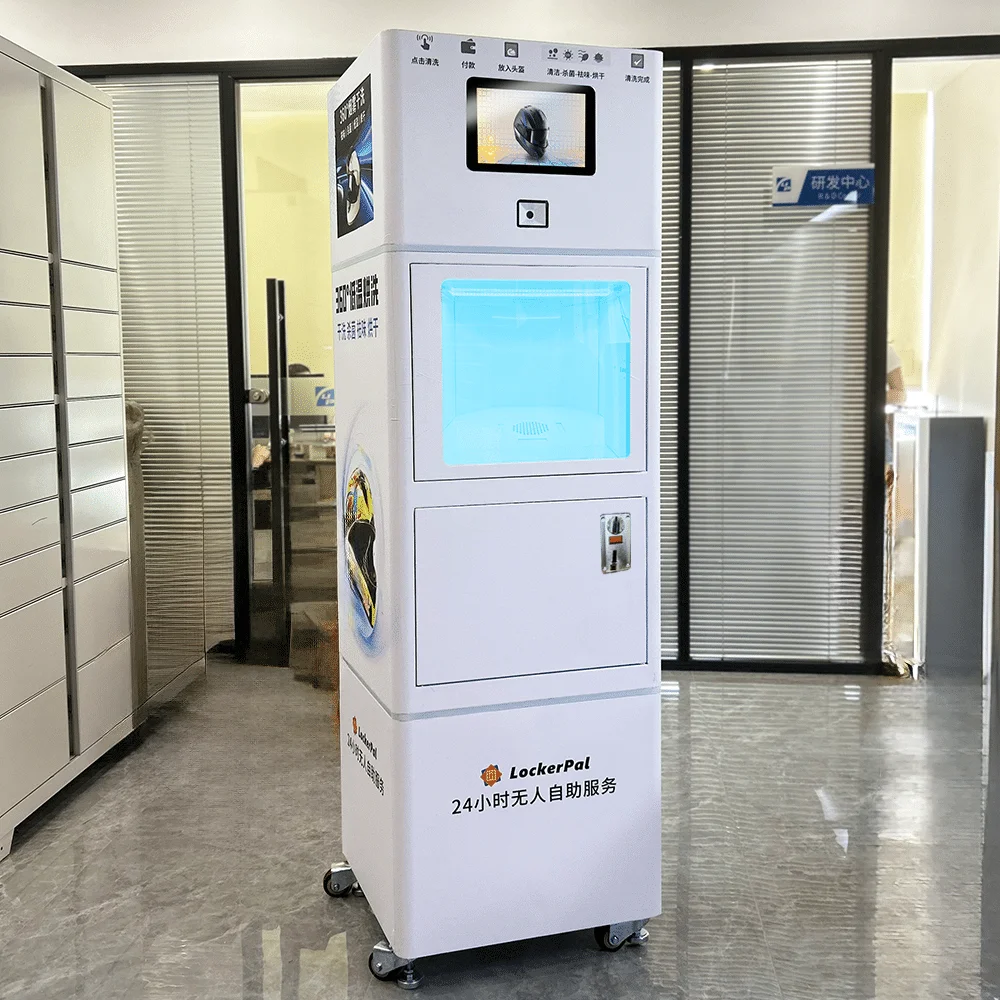
Profesjonell hjelmvedlikehold har utviklet seg betydelig med innføringen av spesialisert rengjøringsutstyr som er designet spesielt for verneutstyr. En hjelmnrengjøringsmaskin representerer en viktig investering for bedrifter, organisasjoner og anlegg som legger vekt på hygiene og utstyrets levetid. Disse avanserte systemene tar tak i de unike utfordringene knyttet til rengjøring av vernehodeutstyr, samtidig som de sikrer strukturell integritet og overholder sikkerhetsstandarder. Å forstå de viktigste funksjonene i en hjelmnrengjøringsmaskin sikrer optimal ytelse, kostnadseffektivitet og etterlevelse av bransjeregler.
Avansert rengjøringsteknologi og metoder
Flere trinn i rensesprosessen
Moderne hjelmrengjøringsmaskiner inneholder sofistikerte rengjøringsprosesser i flere trinn som håndterer ulike forurensningsnivåer og materialer. Det første trinnet omfatter vanligvis tørre rengjøringsmekanismer som fjerner løse partikler, støv og overflateforurensninger uten å tilføre fuktighet. Denne innledende rengjøringsfasen er avgjørende for å bevare hjelmens strukturelle komponenter og forhindre skade på følsomme materialer forårsaket av fuktighet.
Det andre trinnet inneholder ofte spesialiserte avduftningssystemer som eliminerer bakterievekst og nøytraliserer lukter som har samlet seg under vanlig bruk. Disse systemene bruker ulike teknologier, blant annet UV-sterilisering, ozonbehandling eller antimikrobielle midler, for å sikre grundig desinfeksjon. Det siste trinnet omfatter milde tørkemekanismer som forhindrer fuktighetsholding samtidig som de bevarer hjelmens polstring og indre komponenter.
Desinfeksjons- og avduftningssystemer
Profesjonelle helsesikkerhetsrengjøringsmaskiner integrerer avanserte desinfiserings-teknologier som overstiger grunnleggende rengjøringskrav. UV-C-lys-systemer gir effektiv patogeneliminering uten kjemiske rester, noe som gjør dem ideelle for følsomme anvendelser. Disse systemene opererer ved spesifikke bølgelengder som er bevist å nøytralisere bakterier, virus og sopp som ofte finnes i miljøer med verneutstyr.
Ozonbasert avduftning representerer en annen fremgangsmessig funksjon som finnes i premium-modeller av helsesikkerhetsrengjøringsmaskiner. Denne teknologien bryter ned luktforårsakende molekyler på molekylært nivå samtidig som den desinfiserer overflater. Ozonbehandlingscyklusen konverteres automatisk tilbake til oksygen og etterlater ingen skadelige rester som kunne påvirke brukersikkerhet eller utstyrets ytelse.
Driftseffektivitet og brukergrensesnittdesign
Automatiserte rengjøringscykluser
Automatiseringsfunksjoner påvirker betydelig den totale effektiviteten og konsekvensen til hjelmrengjøringsoperasjoner. Avanserte systemer tilbyr programmerbare rengjøringscykluser som er tilpasset ulike hjelmtyper, forurensingsnivåer og organisatoriske krav. Disse automatiserte sekvensene sikrer standardiserte rengjøringsprosedyrer samtidig som de reduserer arbeidskostnadene og muligheten for menneskelige feil.
Smarte sensorer overvåker rengjøringsfremskrittet og justerer automatisk cyklusparametrene basert på oppdagede forurensingsnivåer. Denne adaptive teknologien optimaliserer rengjøringstiden og ressursutnyttelsen, samtidig som den sikrer konsekvente resultater. Integreringen av disse intelligente systemene gjør drift av hjelmrengjøringsmaskiner mer pålitelig og kostnadseffektiv for applikasjoner med høy volum.
Brukervennlige styringssystemer
Intuitive kontrollgrensesnitt forbedrer driftseffektiviteten og reduserer opplæringsbehovet for ansatte. Moderne hjelmrengjøringsmaskiner har digitale skjermer med tydelige statusindikatorer, fremdriftssporing og vedlikeholdsvarsler. Disse grensesnittene gir sanntids tilbakemelding om rengjøringsløp, gjenværende kapasitet og systemdiagnostikk.
Trykkskjermkontroller med flerspråklig støtte tilpasser seg mangfoldige arbeidsmiljøer og sikrer tilgjengelighet for alle brukere. Forhåndsprogramerte innstillinger for vanlige hjelmtyper forenkler driften, samtidig som de beholder fleksibiliteten for spesialtilpassede rengjøringskrav. Brukerens grensesnittutforming påvirker direkte innføringsrater og driftsmessig suksess i profesjonelle miljøer.
Holdbarhet og byggekvalitet
Materialvalg og byggekvalitet
Konstruksjonskvaliteten til en hjelmrensemaskin avgjør dens levetid og driftssikkerhet i krevende miljøer. Komponenter av rustfritt stål motstår korrosjon og opprettholder hygienestandarder som er avgjørende for profesjonelle anvendelser. Kraftefull konstruksjon sikrer stabilitet under drift samtidig som den tåler de hyppige bruksyklene som er typiske i industrielle innstillinger.
Interne komponenter må velges nøye for å balansere ytelse og holdbarhet. Motorer, pumper og elektroniske systemer av høy kvalitet bidrar til jevn drift og reduserte vedlikeholdsbehov. Valg av premiummaterialer korrelaterer direkte med totalkostnaden for eierskap og driftssikkerheten over lengre perioder.
Vedlikeholdskrav og servicevenlighet
Tilgjengelige vedlikeholdsfunksjoner påvirker betydelig langsiktig levedyktighet for investeringer i hjelmrengjøringsmaskiner. Enkelt uttakbare komponenter forenkler rutinemessig rengjøring og inspeksjon uten behov for spesialiserte verktøy eller omfattende opplæring. Tydelige vedlikeholdsplaner og indikatorsystemer hjelper til å forhindre driftsproblemer før de påvirker ytelsen.
Modulære designprinsipper muliggjør effektiv utskifting av komponenter og systemoppgraderinger etter hvert som teknologien utvikler seg. Denne tilnærmingen beskytter den opprinnelige investeringen samtidig som den tillater tilpasning til endrede krav. God tilgang til vedlikehold sikrer optimal ytelse gjennom hele utstyrets driftslivsløp.
Sikkerhetsfunksjoner og sertifiseringsstandarder
Elektrisk sikkerhet og beskyttelsessystemer
Omstendelige sikkerhetsfunksjoner beskytter både brukere og utstyr under rengjøringsoperasjoner. Jordfeilbrytere forhindrer elektriske farer i miljøer der fuktighet kan forekomme. Nødstopmekanismer gir umiddelbar avslutning av drift i tilfelle operative avvik eller sikkerhetsproblemer.
Overopphetningsbeskyttelsessystemer overvåker indre temperaturer og justerer automatisk driften for å forhindre skade på komponenter. Disse sikkerhetsfunksjonene sikrer pålitelig drift samtidig som risikoene knyttet til automatiserte rengjøringsutstyr minimeres. Professionelt nivå hjelmrensingsmaskin systemer inneholder flere sikkerhetslag for å oppfylle industrielle standarder.
Reguleringsoverholdelse og sertifiseringer
Industrisertifikater bekrefter sikkerhets- og ytelsesegenskapene til profesjonelt rengjøringsutstyr. CE-merking, UL-listinger og ISO-samsvar demonstrerer overholdelse av internasjonale sikkerhets- og kvalitetsstandarder. Disse sertifikatene er avgjørende for organisasjoner som opererer under strenge regulatoriske krav eller sikkerhetsprotokoller.
Miljømessige overholdelsesfunksjoner sikrer riktig håndtering av rengjøringsbiprodukter og energiforbruk. ENERGY STAR-vurderinger og miljøvennlige driftsmodi støtter bærekraftinitiativer samtidig som de reduserer driftskostnadene. Overholdelsesdokumentasjon forenkler integreringen i eksisterende sikkerhetsstyringssystemer og revisjonsprosedyrer.
Kapasitets- og gjennomløpsoverveielser
Behandlingsvolum og syklustider
Behandlingskapasiteten til en hjelmrengjøringsmaskin må være i tråd med organisasjonens behov og bruksmønstre. Anlegg med høy kapasitet krever systemer som kan håndtere flere hjelmer samtidig uten å kompromisse med rengjøringskvaliteten. Optimalisering av syklustiden balanserer grundig rengjøring med kravene til driftseffektivitet.
Variable kapasitetsalternativer tilpasser seg svingende etterspørselsmønstre, som er vanlige i sesongbaserte industrier eller prosjektbaserte operasjoner. Skalerbare systemer gir fleksibilitet for vekst samtidig som de unngår overkapasitetsinvesteringer i de innledende implementeringsfasene. Behandlingsvolumet påvirker direkte beregningene av avkastning på investering (ROI) og beslutningene om driftsplanlegging.
Køhåndtering og arbeidsflytintegrasjon
Effektiv integrasjon av arbeidsflyt øker den totale driftsproduktiviteten og brukertilfredsheten. Funksjoner for køhåndtering gir statusoppdateringer og estimerte ferdigstillelsestider for flere rengjøringsløp. Disse funksjonalitetene støtter planleggings- og timeplanleggingsaktiviteter som avhenger av tilgjengelighet av rengjorte utstyr.
Integrasjon med eksisterende lagersystemer forenkler sporing og ansvarsprosedyrer. Automatiserte loggføringsfunksjoner holder orden på rengjøringsregistreringer for etterlevelsesdokumentasjon og utstyrslivssyklusstyring. Optimalisering av arbeidsflyt reduserer flaskehalsar og forbedrer den totale driftseffektiviteten i profesjonelle miljøer.
Kostnads-effektivitet og avkastning på investering
Driftskostnad Analyse
En omfattende analyse av driftskostnader inkluderer energiforbruk, forbruksmaterialer og vedlikeholdskostnader knyttet til drift av hjelmrengjøringsmaskiner. Energibesparende systemer reduserer brukskostnadene uten å påvirke rengjøringsvirkningen negativt. LED-belysningsystemer og motorer med variabel hastighet bidrar til generelle energibesparelser over lengre driftsperioder.
Optimalisering av forbrukskostnader innebär att välja system som minimerar kemikalieanvändning samtidigt som rengöringsstandarderna upprätthålls. Koncentrerade rengöringslösningar och effektiva appliceringsmetoder minskar materialkostnaderna per rengöringscykel. Långsiktiga kostnadsprognoser bör inkludera inflationsfaktorer och potentiella förändringar i priset på förbrukningsartiklar.
Produktivitetsförbättringar och arbetskraftsbesparingar
Automatiserade rengöringssystem minskar kraftigt behovet av arbetskraft jämfört med manuella rengöringsrutiner. Tidsbesparingar gör det möjligt att omfördela personal till aktiviteter med högre värde, samtidigt som konsekventa rengöringsstandarder upprätthålls. Produktivitetsförbättringar motiverar ofta investeringar i utrustning genom minskade driftskostnader och förbättrad resursutnyttjande.
Konsekvensfordeler inkluderer redusert rengjøringsvariabilitet og forbedret utstyrslivslengde gjennom standardiserte prosedyrer. Disse faktorene bidrar til lavere utskiftningskostnader og bedre overholdelse av sikkerhetskrav. Den kumulative effekten av produktivitetsforbedringer overstiger ofte de opprinnelige investeringskostnadene for utstyret innen rimelige tilbakebetalingstider.
Teknologikobling og fremtidig kompatibilitet
Smart tilkoblingsfunksjonalitet
Moderne design av hjelmrensemaskiner innebär IoT-kobling for fjernovervåking og -styring. Skybaserte kontrollpaneler gir sanntidsdriftsdata og ytelsesanalyser som er tilgjengelige fra flere steder. Disse funksjonene støtter sentralisert styring av distribuert utstyr på flere anlegg.
Mobilapplikasjoner gir behagelige overvåknings- og kontrollfunksjoner for vedlikeholdsansatte og anleggsledere. Push-varsler varsler brukere om syklusavslutning, vedlikehovsbehov eller driftsanomaliar. Smart tilkobling forbedrer operativ gjennomsikt og muliggjør proaktiv planlegging av vedlikehold for å unngå uventet nedetid.
Oppgraderingsvei og utvidbarhet
Fremtidssikrede design tillater teknologiske oppgraderinger og funksjonsforbedringer uten at hele systemet må erstattes. Modulært arkitektur tillater selektiv oppgradering av komponenter når nye teknologier blir tilgjengelige. Denne tilnærmingen beskytter den opprinnelige investeringen samtidig som den muliggjør kontinuerlig forbedring og tilpasning til endrende krav.
Programvareoppdateringsfunksjoner sikrer tilgang til nye funksjoner og ytelsesoptimaliseringer gjennom hele utstyrets levetid. Oppdateringer over nett (OTA) minimerer vedlikeholdsavbrytelser samtidig som systemene holdes oppdatert i henhold til bransjens beste praksis. Utvidelsesmuligheter støtter vekst og endrende driftskrav i dynamiske forretningsmiljøer.
Ofte stilte spørsmål
Hvor ofte bør hjelmer rengjøres ved hjelp av en profesjonell hjelmrengjøringsmaskin?
Rengjøringsfrekvensen avhenger av bruksintensiteten og miljøforholdene, men de fleste organisasjoner etablerer daglige eller ukentlige rengjøringsrutiner for hjelmer som brukes regelmessig. I miljøer med høy kontaminering kan det kreves hyppigere rengjøringsrundtur for å opprettholde hygienekravene og utstyrets ytelse. Profesjonelle hjelmrengjøringsmaskinsystemer kan tilpasse seg ulike planleggingskrav gjennom programmerbare sykluser og automatiserte påminnelser.
Hvilke typer hjelmer er kompatible med automatiserte rengjøringsystemer?
De fleste profesjonelle rengjøringsystemer er kompatible med standard sikkerhets-helmer, bygge-helmer, motorsykkelhelmer og spesialisert verneutstyr for hodet. Materialkompatibilitet inkluderer plast, fiberglass og sammensatte konstruksjonstyper som vanligvis brukes i industrielle applikasjoner. Det er avgjørende å sjekke de spesifikke anbefalingene fra helmerprodusenten og materialkompatibiliteten før automatiserte rengjøringsprosedyrer implementeres.
Hvordan sammenlignes driftskostnadene mellom automatiserte og manuelle helmrengjøringsmetoder?
Automatiserte systemer viser typisk kostnadsfordeler gjennom redusert arbeidskraftbehov, konsekvent forbruk av forbruksmaterialer og forbedret utstyrslevetid. Innledende investeringskostnader for utstyr blir kompensert gjennom økt produktivitet og standardiserte rengjøringsprosedyrer som minimerer sløsing. Langsiktig analyse viser ofte betydelige besparelser for organisasjoner med regelmessige behov for helmrengjøring og flere brukere.
Hvilke vedlikeholdsprosedyrer er nødvendige for optimal ytelse fra maskinen til rengjøring av hjelmer
Rutinemessig vedlikehold inkluderer utskifting av filtre, kalibrering av rengjøringsystemet og inspeksjon av mekaniske komponenter i henhold til produsentens spesifikasjoner. De fleste systemene gir vedlikeholdsvarsler og påminnelser om planlagt vedlikehold for å sikre optimal ytelse. Profesjonell tjeneste kontrakter inkluderer ofte forebyggende vedlikeholdsprosedyrer som forlenger utstyrets levetid og sikrer garantiomfang gjennom hele driftsperioden.
Innholdsfortegnelse
- Avansert rengjøringsteknologi og metoder
- Driftseffektivitet og brukergrensesnittdesign
- Holdbarhet og byggekvalitet
- Sikkerhetsfunksjoner og sertifiseringsstandarder
- Kapasitets- og gjennomløpsoverveielser
- Kostnads-effektivitet og avkastning på investering
- Teknologikobling og fremtidig kompatibilitet
-
Ofte stilte spørsmål
- Hvor ofte bør hjelmer rengjøres ved hjelp av en profesjonell hjelmrengjøringsmaskin?
- Hvilke typer hjelmer er kompatible med automatiserte rengjøringsystemer?
- Hvordan sammenlignes driftskostnadene mellom automatiserte og manuelle helmrengjøringsmetoder?
- Hvilke vedlikeholdsprosedyrer er nødvendige for optimal ytelse fra maskinen til rengjøring av hjelmer