 EN
EN
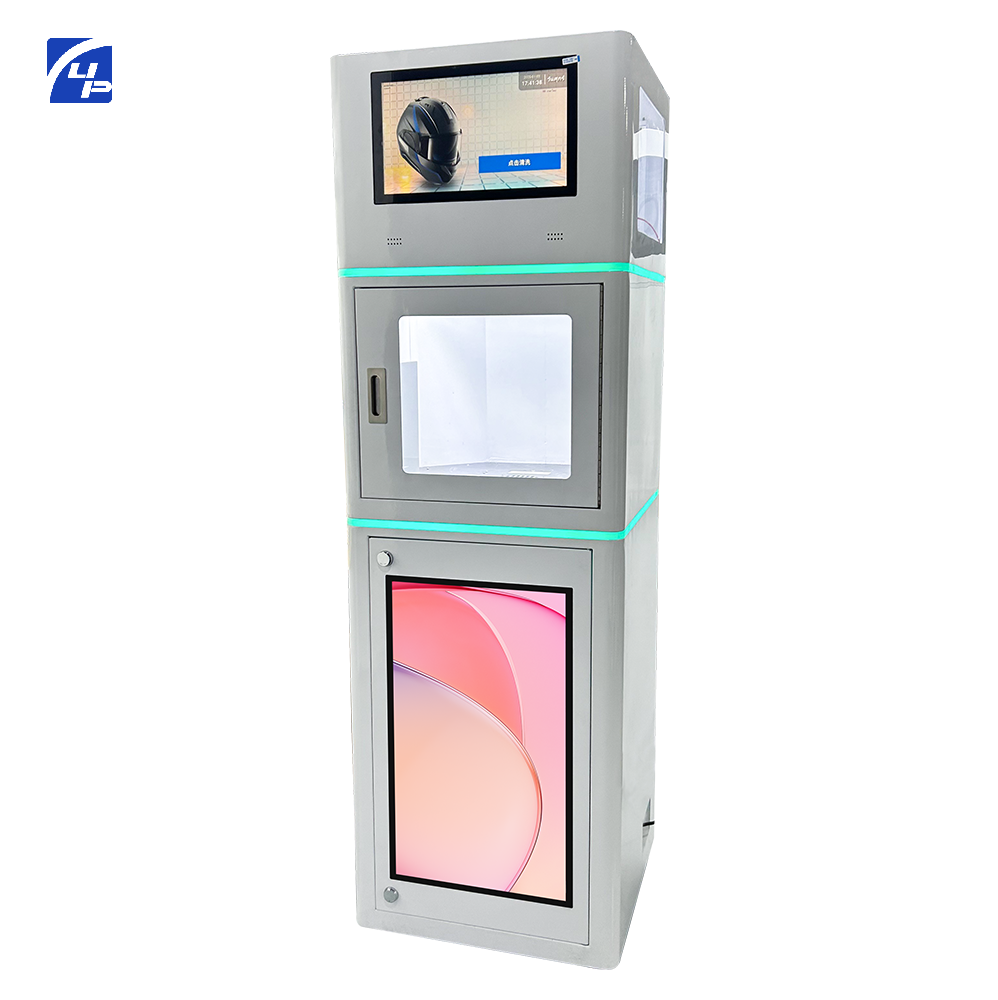
Professional qalpoq tozalash moslamalari, himoya qiluvchi bosh kiyimlari zarur bo'lgan sohalarda gigiena standartlarini saqlashda keng ko'lamli yutuqdir. Bu maxsus dezinfeksiya tizimlari qalpoqlar doimiy ravishda talab qilinadigan ish muhitida foydalanilganda tabiiy ravishda paydo bo'ladigan bakterial kontaminatsiya va hidlar to'planishining doimiy muammosini hal qiladi. Zamonaviy qalpoq tozalash moslamalariga o'rnatilgan murakkab texnologiya qo'lda tozalash usullari bilan hech qachon erishib bo'lmaslikka imkon beradigan to'liq dezinfeksiya yechimlarini taqdim etadi va shu orqali tashkilotlarga xodimlar sog'lig'ini himoya qilish hamda jihozlar yaroqlilik muddatini uzaytirish uchun ishonchli yondashuvni taklif etadi.
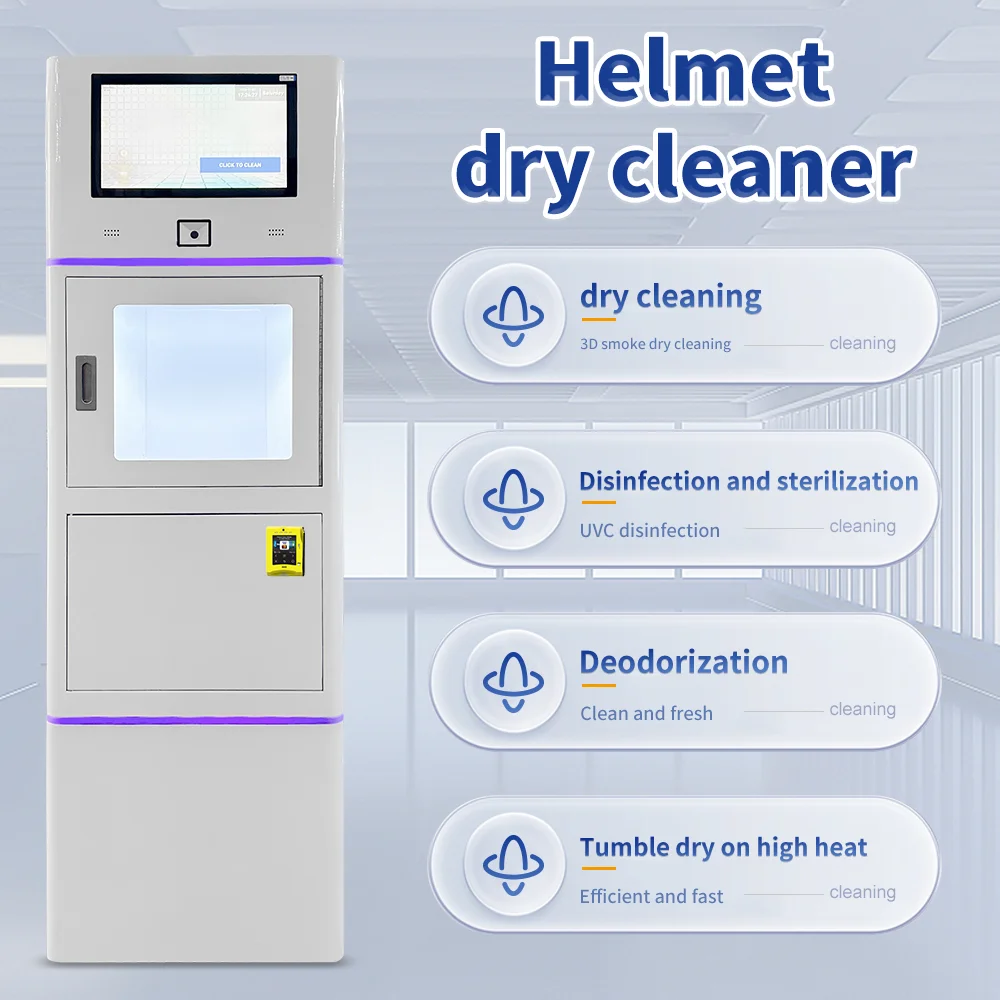
Qo'llashning dezinfeksiya afzalliklari kask Tozalash Mashini sirtiy tozalashdan ancha uzoqqa boradi, xavfli mikroorganizmlarni yo'q qilish va doimiy hidlarni ularning manbaida neytrallashtirish uchun shlyomlarning materiallariga chuqur kirib boradi. Ushbu maxsus afzalliklarga tushunish tashkilotlarga ish joyidagi xavfsizlik protokollari hamda operatsion samaradorlikni qo'llab-quvvatlaydigan avtomatlashtirilgan shlyomlarni dezinfeksiyalash texnologiyasiga sarmoya kiritish to'g'risida axborotlangan qaror qabul qilishga yordam beradi.
To'liq bakteriyalarni yo'q qilish uchun ilg'or dezinfeksiya texnologiyasi
UV-C nuri bilan sterilizatsiya mexanizmlari
Professional do'konda xavfsizlikni ta'minlashning asosiy afzalligi — bu UV-C nuri texnologiyasidan foydalanishda, ya'ni bakteriyalarning DNK va RNK tuzilishini vayron qilish uchun maxsus sozlangan to'lqin uzunliklarida ishlaydigan ultraviolet nurlanishdan foydalanishda yotadi. Bu mikrobsizlantiruvchi ultraviolet nurlanish do'konda sirtlari va ichki qo'pol qatlam materiallariga kirib boradi va an'anaviy tozalash usullari ko'pincha e'tibor bermaydigan joylarga yetib boradi. Do'konda tozalash mashinasidagi UV-C sterilizatsiya jarayoni odatda 254 nanometrda amalga oshiriladi; bu to'lqin uzunligi do'konda muhitida uchraydigan eng keng tarqalgan bakteriyalarga, jumladan, Staphylococcus epidermidis va Propionibacterium acnesga nisbatan eng samarali ekanligi ilmiy jihatdan isbotlangan.
Zamonaviy shlyapcha tozalash apparatlari tizimlari dezinfeksiya sikli davomida shlyapcha sirtlarining to'liq qamrab olinishini ta'minlash uchun strategik joylashtirilgan bir nechta UV-C lampalarni o'z ichiga oladi. Bu qamrov shlyapchalarga daqiqalar ichida bakteriyalarning 99,9% gacha qismini yo'q qiladi va kimyoviy tozalovchi vositalarga nisbatan yuqori darajadagi dezinfeksiya ta'minlaydi, shuningdek, kimyoviy qoldiqlar bilan bog'liq ehtimoliy muammolardan qochish imkonini beradi. Shlyapcha tozalash apparati kamerasidagi boshqariladigan UV-C muhiti shlyapcha dizayni yoki material tarkibiga qaramasdan doimiy sterilizatsiya natijalarini ta'minlaydi.
Chuqur dezinfeksiya uchun ozon hosil qilish
Yukori darajali xavfsizlik kaskadalarini tozalash apparatlari namunalarida UV-C sterilizatsiyasini qo'llab-quvvatlaydigan ikkinchi dezinfeksiya usuli sifatida ozon hosil qilish texnologiyasi integratsiya qilingan. Ozon molekulalari kaska qoplamasi va gazlamalarga chuqur kirib, bakteriyalarni o'z ichiga olgan va doimiy hidlarga sabab bo'ladigan organik birikmalarni oksidlaydi. Kaskalarni tozalash apparatlarida qo'llaniladigan ushbu ikki bosqichli yondashuv porli materiallarga singib ketgan hatto mikroskopik bakteriya koloniyalarini ham samarali ravishda neytrallashini ta'minlaydi.
Professional kaskalarni tozalash apparatlarida ozon bilan sanitatsiya qilish sikli bakteriyalarni yo'q qilishni maksimal darajada oshirish va operatorlar uchun xavfsizlikni ta'minlash maqsadida nazorat qilinadigan sharoitlarda amalga oshiriladi. Ozon konsentratsiyasi kaskalarning materiallariga zarar yetkazmasdan va operatorlar uchun xavfsizlik xavfi yaratmasdan optimal dezinfeksiya darajasiga erishish uchun aniq tartibga solinadi. Bu texnologiya ayniqsa, kaskalarning ichki qismida keng tarqalgan kislorodga kam ehtiyoj sezadigan muhitda rivojlanadigan anaerob bakteriyalarni yo'q qilishda ajoyib natijalar beradi.
Ko'p bosqichli qayta ishlash orqali to'liq hidni yo'qotish
Molekulyar darajadagi hidni neytrallash
Shlyapka tozalash apparatining hidni yo'qotish qobiliyati noxush hidlarning ildiz sabablarini nafaqat maskalash, balki aniq maqsadga yo'naltirilgan murakkab molekulyar darajadagi jarayonlar orqali amalga oshiriladi. Bakteriyalar metabolizmi xarakterli shlyapka hidlarini yaratuvchi uchuvchan organik birikmalar hosil qiladi va bu birikmalar faqat maxsus shlyapka tozalash apparatlari texnologiyasi taqdim etadigan maxsus davolash usullarini talab qiladi. UV-C nurlanishi va ozon bilan davolash kombinatsiyasi hidni keltiruvchi molekulalarning kimyoviy bog'lanishlarini buzib, ularni vaqtinchalik sezishni bostirmasdan, samarali ravishda neytrallashga imkon beradi.
Professional gilam tozalash apparati tizimlari odor molekulalarini dezinfeksiya sikli davomida ushlab olish va qayta ishlash uchun ilg'or filtratsiya va havo aylanish texnologiyalarini joriy etadi. Bu keng qamrovli yondashuv odorlarning faqat siljitilishini emas, balki shlyapka materiallaridan to'liq yo'q qilinishini ta'minlaydi. Gilam tozalash apparati orqali amalga oshiriladigan molekulyar parchalanish gilam ichida haqiqatan ham yangi muhit yaratadi, bu esa odatda doimiy foydalanishda yig'iladigan odorlarga ega bo'lmaydi.
Namlik nazorati va bakterial o'sishni oldini olish
Namlikni boshqarish avtomatlashtirilgan shlyapalar tozalash apparatlari tizimlarining muhim afzalligidir, chunki ortiqcha namlik bakteriyalar ko'payishiga va hid hosil bo'lishiga ideal sharoit yaratadi. Professional shlyapalar tozalash apparatlari shlyapalarning materiallaridan namlikni olib tashlaydigan nazorat qilinadigan quritish sikllarini integratsiya qiladi, bu esa ularning strukturaviy butunligini saqlaydi. Bu namlikni yo'q qilish jarayoni bakteriyalar ko'payishini rag'batlantiruvchi anaerob sharoitlarni oldini oladi va keyinchalik hid hosil qiluvchi birikmalar ishlab chiqarilishini oldini oladi.
Shlyomlarni tozalash apparatidagi quritish texnologiyasi aniq boshqariladigan issiqlik va havo aylanish tizimlari orqali shlyomning paxlavasi va ichki sirtlariga kirib boradi. Bu chuqur namlikni olib tashlash bakteriyalar o'sishiga qarshilik ko'rsatadigan muhit yaratadi va shlyomlarni an'anaviy usullar bilan tozalagandan keyin yetarli darajada quritilmagan taqdirda tez-tez sodir bo'ladigan qaytadan ifloslanishni samarali oldini oladi. Natijada tozalash sikllari o'rtasidagi vaqt uzunroq bo'ladi va shlyom doim yangi holatda saqlanadi.
Materiallarni saqlash va jihozlarning xizmat muddati uzunligi afzalliklari
Me'yorida me'yorida, lekin samarali tozalash jarayonlari
Qo'pol kimyoviy tozalash usullaridan farqli o'laroq, bu usullar vaqt o'tishi bilan shlyapalar materiallarini yomonlashtirishi mumkin, shlyapa tozalash apparati esa materialning butunligini saqlab turish bilan birga yuqori darajadagi dezinfeksiya natijalariga erishish imkonini beruvchi yumshoq gigienik jarayonlardan foydalanadi. Shlyapa tozalash apparatining kamerasidagi nazorat qilinadigan muhit turli xil shlyapa materiallari — ilg'or polimer qoplamalardan tortib nozik ichki gazlamalargacha — uchun xavfsiz parametrlar doirasida tozalash jarayonlarini amalga oshirishni ta'minlaydi. Bu materialga me'yorida munosib yondashuv shlyapalarning yashash muddatini uzartiradi va bir xil gigienik samaradorlikni saqlab turadi.
Shlyapcha tozalash apparatining avtomatlashtirilgan ishlashi qo'lda tozalash usullari bilan bog'liq o'zgaruvchanlikni va ehtimoliy zararlanishni yo'q qiladi. Doimiy ishlov berish parametrlari har bir shlyapchaga bir xil muomala qilinishini ta'minlaydi, bu esa sanitatsiya samaradorligini yoki materialning chidamliligini buzishi mumkin bo'lgan ortiqcha yoki yetarli emas tozalashni oldini oladi. Shlyapcha tozalash apparati tizimidagi bu aniqlik himoya uskunalarga kiritilgan investitsiyani saqlab qoladi va optimal gigiena standartlarini ta'minlaydi.
Kimyoviy moddalarsiz sanitatsiya afzalliklari
Zamonaviy shlyapalar tozalash uskunalari tomonidan qo'llaniladigan kimyoviy moddalarsiz gigienik tozalash usuli shlyapalardan foydalangan odamlarda teri irritatsiyasi yoki allergik reaktsiyalarga sabab bo'lishi mumkin bo'lgan kimyoviy qoldiqlarning to'planishiga oid tashvishlarni yo'q qiladi. An'anaviy kimyoviy tozalash usullari ko'pincha foydalanuvchi qulayligini buzishi va potentsial ravishda yangi sog'liq xavf-xatarlarini yaratishi mumkin bo'lgan tozalash vositalarining izlarini qoldiradi. Professional shlyapalar tozalash uskunasi shlyapa atrofidagi muhitga hech qanday chet el kimyoviy moddasini kiritmasdan to'liq gigienik tozalashni ta'minlaydi.
Shlyapalar tozalash uskunalari tizimidagi kimyoviy moddalarsiz usul shuningdek, kimyoviy moddalarni chiqarish bilan bog'liq ekologik ta'sirni yo'q qiladi va tozalash kimyoviy moddalarini sotib olish hamda saqlash bilan bog'liq operatsion xarajatlarni kamaytiradi. UV-C va ozon texnologiyasi yordamida shlyapalar tozalash uskunasida erishilgan barqaror gigienik tozalash ekologik mas'uliyat maqsadlariga mos keladi va bir vaqtda yuqori darajadagi tozalash natijalarini beradi.
Operatsion samaradorlik va doimiylik afzalliklari
Ishonchli natijalar uchun avtomatlashtirilgan qayta ishlash
Shlyomlarni tozalash apparati avtomatlashtirilgan ishlashi, qo'lda tozalash usullari bilan ishonchli tarzda erishib bo'lmasa ham, doimiy dezinfeksiya natijalarini ta'minlaydi. Oldindan belgilangan tozalash sikllari tozalash samaradorligini pasaytirishi mumkin bo'lgan inson omillarini yo'q qiladi va shlyomlarga operator yoki vaqt sharoitlaridan qat'i nazar optimal davolash berilishini ta'minlaydi. Shlyomlarni tozalash apparatlarida bunday doimiylik dezinfeksiya natijalariga ishonch hosil qilishga imkon beradi va sog'liqni saqlash hamda xavfsizlik qoidalariga rioya qilishni qo'llab-quvvatlaydi.
Professional shlyomlarni tozalash apparatlari dezinfeksiya jarayonini kuzatib borish va yakunlangan tozalash sikllarini tasdiqlash uchun nazorat va foydalanuvchi javobini kuzatish mexanizmlarini o'z ichiga oladi. Bu tizimlar tozalash faoliyatlari haqida hujjatlarni taqdim etadi, bu esa normativ talablarga mos kelishni qo'llab-quvvatlaydi va hech qanday shlyomning foydalanuvchilarga qaytarilmasligini ta'minlaydi xizmat to'g'ri dezinfeksiya qilinmagan holda. Shlyomlarni tozalash apparati ishonchli ishlashi ish joyida gigiyena dasturlarini amalga oshirish uchun ishonchli asos yaratadi.
Vaqt samaradorligi va ish unumdorligi afzalliklari
Avtomatlashtirilgan shlyomlarni tozalash apparati operatsiyalari orqali erishilgan vaqt samaradorligi, qo'lda tozalash usullariga nisbatan umumiy ish joyi ishlash samaradorligini sezilarli darajada oshiradi. An'anaviy tozalash usullari keng ko'lamli mehnat vaqti talab qiladi va ko'pincha quruq bo'lish uchun uzun muddat kerak bo'ladi, shu bilan birga shlyomlarni tozalash apparati tozalashni soatlardan o'rniga daqiqalarda bajaradi. Bu tez ishlash qobiliyati tashkilotlarga tozalangan jihozlarning doimiy mavjudligini ta'minlab, kengroq shlyomlar zaxirasini faol aylanishda saqlash imkonini beradi.
Ko'plab xavfsizlik kaskadalarini tozalash apparatlari tizimlarining bir vaqtda ishlash qobiliyati bir nechta kaskadani bir vaqtda dezinfitsiyalash imkonini beradi, bu esa operatsion samaradorlikni yanada oshiradi. Bu masshtabli tozalash afzalligi kaskadalar bilan himoyalangan ishchilarga ega bo'lgan tashkilotlar uchun xavfsizlik kaskadalarini tozalash apparatini ayniqsa qimmatli qiladi, chunki bu apparat keng ko'lamli gigiyenik parvarishni katta operatsion uzilishlarsiz ta'minlaydi.
Tez-tez so'raladigan savollar
Xavfsizlik kaskadalarini tozalash apparati ishchi kaskadalarda tez-tez uchraydigan bakteriyalarga qanchalik samarali?
Professional xavfsizlik kaskadalarini tozalash apparati UV-C sterilizatsiyasi va ozon bilan davolash orqali Staphylococcus epidermidis, Propionibacterium acnes va turli g'umbak sporalari kabi kaskadalarda tez-tez uchraydigan bakteriyalarga 99,9% samarali. Ikki bosqichli dezinfitsiyalash jarayoni odatda kaskada ichida joylashadigan aerob va anaerob bakteriyalarga ta'sir qiladi, bu esa an'anaviy tozalash usullaridan yuqori darajadagi mikrobiyal yo'q qilishni ta'minlaydi.
Shlyom qilish apparati doimiy hidlarni, ya'ni shlyomni oydinlikda bir necha oy davomida ishlatish natijasida paydo bo'lgan hidlarni to'liq yo'q qilishi mumkinmi?
Ha, shlyom qilish apparati UV-C nurlanishi va ozon bilan davolash kombinatsiyasi orqali hidga sabab bo'ladigan birikmalar molekulyar darajada parchalanishini ta'minlab, hatto chuqur joylashgan hidlarni ham samarali yo'q qiladi. UV-C nurlanishi va ozon davolash usuli hidga sabab bo'ladigan uchuvchi organik birikmalarning kimyoviy bog'lanishlarini maskalash o'rniga ularni parchalaydi, shu bilan birga nazorat qilinadigan quritish jarayoni hid hosil bo'lishiga sabab bo'ladigan namlikni olib tashlaydi. Bu butunlay qamrab oluvchi yondashuv mavjud hidlarga nafaqat qarama-qarshi chiqadi, balki kelajakda hid hosil bo'lishini ham oldini oladi.
Qanday turdagi shlyom materiallari shlyom qilish apparatida qayta ishlash uchun xavfsiz?
Zamonaviy shlyapalar tozalash moslamalari polikarbonat qobiq, shisha tolali kompozitlar, kengaytirilgan polistiren pene va turli xil gazlama ichki qoplamalar kabi barcha standart shlyapa materiallarini xavfsiz qayta ishlash uchun mo'ljallangan. Nazorat qilinadigan qayta ishlash muhiti ushbu materiallar uchun xavfsiz harorat va ta'sir parametrlari doirasida dezinfeksiya amalga oshirilishini ta'minlaydi; bu esa shlyapalarga zarar yetkazmasdan to'liq dezinfeksiya qilishni ta'minlaydi. Biroq, elektron komponentlarga ega shlyapalar maxsus e'tibor yoki alternativ tozalash usullarini talab qilishi mumkin.
Optimal gigiyena saqlash uchun shlyapalarni qanchalik tez-tez shlyapa tozalash moslamasidan o'tkazish kerak?
Shlyapcha tozalash apparati uchun optimal ishlatish chastotasi foydalanish intensivligi va atrof-muhit sharoitlariga bog'liq, lekin odatda yuqori darajada foydalaniladigan muhitlar uchun kunlik ishlashdan o'rtacha foydalanish sharoitlari uchun haftalik ishlashgacha bo'lgan oraliqda o'zgaradi. Sog'liqni saqlash yoki oziq-ovqat qayta ishlash korxonalarida kabi yuqori darajada ifloslanish xavfi bor ish muhitlarida shlyapchalarni kunlik tozalash kerak bo'ladi, shu bilan birga qurilish yoki ishlab chiqarish muhitlarida odatda 2-3 kunda bir marta tozalash yetarli bo'ladi. Doimiy ravishda tozalash bakteriyalarning yig'ilishini oldini oladi va shlyapchalarning doimiy ravishda toza holatda saqlanishini ta'minlaydi.
Mundarija
- To'liq bakteriyalarni yo'q qilish uchun ilg'or dezinfeksiya texnologiyasi
- Ko'p bosqichli qayta ishlash orqali to'liq hidni yo'qotish
- Materiallarni saqlash va jihozlarning xizmat muddati uzunligi afzalliklari
- Operatsion samaradorlik va doimiylik afzalliklari
-
Tez-tez so'raladigan savollar
- Xavfsizlik kaskadalarini tozalash apparati ishchi kaskadalarda tez-tez uchraydigan bakteriyalarga qanchalik samarali?
- Shlyom qilish apparati doimiy hidlarni, ya'ni shlyomni oydinlikda bir necha oy davomida ishlatish natijasida paydo bo'lgan hidlarni to'liq yo'q qilishi mumkinmi?
- Qanday turdagi shlyom materiallari shlyom qilish apparatida qayta ishlash uchun xavfsiz?
- Optimal gigiyena saqlash uchun shlyapalarni qanchalik tez-tez shlyapa tozalash moslamasidan o'tkazish kerak?