 EN
EN
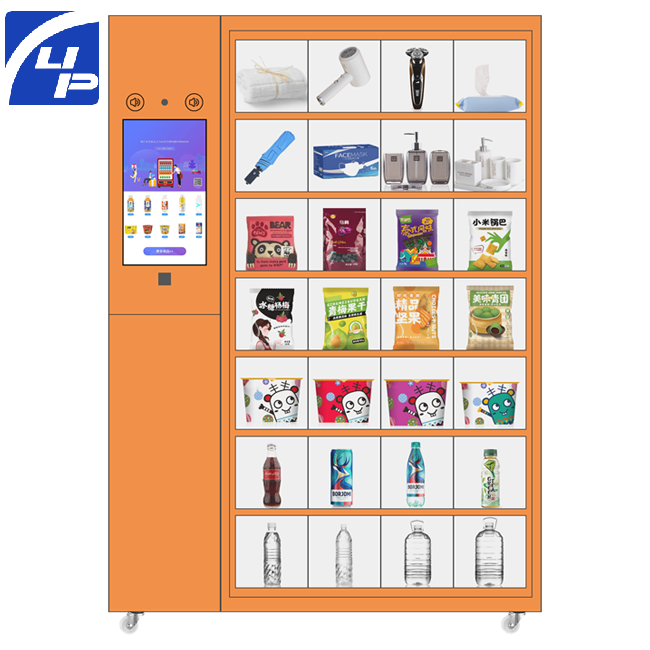
Modern businesses constantly seek innovative solutions to streamline operations and reduce overhead expenses. Food vending machines have emerged as a revolutionary approach to addressing staffing challenges while maintaining consistent service quality. These automated systems represent a significant shift in how companies manage food service operations, offering 24/7 availability without the need for constant human supervision. Organizations across various industries are discovering that implementing these self-service solutions can dramatically impact their bottom line while enhancing customer satisfaction.
The transformation from traditional staffed food service to automated vending solutions represents more than just technological advancement. It reflects a fundamental change in operational philosophy that prioritizes efficiency, cost control, and customer convenience. Companies implementing these systems report substantial reductions in labor costs, insurance expenses, and administrative overhead. The impact extends beyond immediate financial benefits, creating opportunities for businesses to reallocate resources toward core competencies and strategic growth initiatives.
Labor Cost Reduction Through Automation
Elimination of Direct Staffing Requirements
Traditional food service operations require multiple employees across different shifts to maintain continuous service. Food vending machines eliminate the need for cashiers, food preparation staff, and service attendants during regular operating hours. This reduction in direct labor represents immediate savings in wages, benefits, and payroll taxes. Organizations can redirect these resources toward revenue-generating activities or strategic investments that drive long-term growth.
The absence of direct staffing requirements also eliminates concerns about employee scheduling conflicts, sick leave coverage, and vacation time management. Businesses no longer need to maintain minimum staffing levels during slow periods or pay overtime during peak demand. This operational flexibility translates into predictable cost structures that facilitate more accurate budget planning and financial forecasting.
Reduced Management and Supervision Needs
Automated systems significantly reduce the need for supervisory personnel and management oversight. Traditional food service operations require managers to handle employee scheduling, performance monitoring, cash handling procedures, and customer service issues. Food vending machines operate independently with minimal supervision, requiring only periodic restocking and basic maintenance checks.
The reduction in management requirements allows organizations to flatten their operational structure and reduce administrative costs. Fewer managers mean lower salary expenses, reduced office space needs, and simplified communication channels. This streamlined approach enables faster decision-making processes and more agile responses to changing market conditions.
Operational Efficiency and Cost Control
Inventory Management Optimization
Modern food vending machines incorporate sophisticated inventory tracking systems that provide real-time data on product levels and sales patterns. This technology enables precise inventory management, reducing waste from expired products and optimizing purchasing decisions. Businesses can identify high-performing items and adjust their product mix accordingly, maximizing revenue per square foot of vending space.
Advanced inventory management capabilities also facilitate predictive restocking schedules based on historical consumption patterns and seasonal trends. This proactive approach minimizes out-of-stock situations while preventing overstocking that ties up working capital. The result is improved cash flow management and reduced carrying costs associated with excess inventory.
Energy Efficiency and Utility Savings
Contemporary vending machines feature energy-efficient refrigeration systems, LED lighting, and smart power management technologies that significantly reduce electricity consumption compared to traditional food service operations. These systems automatically adjust cooling cycles based on ambient temperature and product load, optimizing energy usage throughout the day.
The compact footprint of vending machines also reduces facility costs related to heating, cooling, and lighting larger food service areas. Organizations can repurpose traditional cafeteria or kitchen spaces for other business activities, maximizing the utilization of valuable real estate. This efficient space utilization contributes to overall operational cost reduction while maintaining food service capabilities.
Revenue Generation and Profit Maximization
Extended Operating Hours
Food vending machines operate continuously without additional labor costs, enabling businesses to generate revenue during off-peak hours and weekends. This extended availability captures sales opportunities that would otherwise be missed with traditional staffed operations. Night shift workers, weekend staff, and late-hour visitors can access food and beverages without requiring additional personnel.
The ability to serve customers 24/7 creates new revenue streams and improves customer satisfaction by providing convenient access to refreshments whenever needed. This enhanced service availability can differentiate businesses from competitors and contribute to employee retention by improving workplace amenities.
Dynamic Pricing and Product Mix Flexibility
Advanced vending systems support dynamic pricing strategies that can adjust prices based on demand patterns, time of day, or inventory levels. This flexibility enables businesses to optimize revenue by implementing peak pricing during high-demand periods and promotional pricing to move slow-moving inventory. The ability to test different price points and product combinations provides valuable market research data.
Product mix optimization becomes more manageable with detailed sales analytics that identify top-performing items and customer preferences. Businesses can quickly adapt their offerings to meet changing consumer demands without the complexities associated with traditional food service menu changes. This agility supports higher profit margins and improved customer satisfaction.
Technology Integration and Analytics
Data-Driven Decision Making
Modern food vending machines generate comprehensive data on customer purchasing patterns, peak usage times, and product performance metrics. This information enables businesses to make informed decisions about product selection, pricing strategies, and operational improvements. Analytics dashboards provide real-time visibility into performance metrics and financial results.
The availability of detailed sales data supports strategic planning and helps identify opportunities for expansion or optimization. Businesses can analyze customer behavior patterns to introduce complementary products or services that enhance the overall value proposition. This data-driven approach leads to more effective resource allocation and improved return on investment.
Remote Monitoring and Maintenance
Connected vending machines enable remote monitoring of machine status, inventory levels, and performance indicators. This capability reduces the need for frequent physical inspections and enables proactive maintenance scheduling. Technical issues can be identified and addressed before they impact customer service or result in lost sales.
Remote diagnostic capabilities also reduce service call costs and minimize machine downtime. Technicians can often resolve issues remotely or arrive on-site with the necessary parts and tools, improving service efficiency and reducing operational disruptions. This proactive maintenance approach extends equipment lifespan and optimizes total cost of ownership.
Implementation Considerations and Best Practices
Location Strategy and Placement
Successful implementation of food vending machines requires strategic placement in high-traffic areas with adequate space for customer access and machine servicing. Locations should consider factors such as electrical requirements, security concerns, and proximity to target customers. Proper placement significantly impacts usage rates and revenue generation potential.
Site analysis should evaluate foot traffic patterns, demographic characteristics, and competing food options to optimize machine placement and product selection. Businesses should also consider accessibility requirements and ensure compliance with relevant regulations and building codes. Strategic placement decisions directly influence the success of vending machine operations.
Product Selection and Quality Management
Effective product selection balances customer preferences with profit margins and shelf life considerations. Businesses should regularly analyze sales data to identify underperforming items and introduce new products that meet evolving customer needs. Quality management protocols ensure that products remain fresh and appealing to customers.
Establishing relationships with reliable suppliers and implementing proper rotation procedures maintains product quality and minimizes waste. Regular cleaning and maintenance schedules preserve machine appearance and functionality, contributing to positive customer experiences and sustained revenue generation. Quality management directly impacts customer satisfaction and repeat usage rates.
FAQ
What are the typical payback periods for food vending machine investments
Payback periods for food vending machines typically range from 12 to 36 months, depending on location traffic, product mix, and operational efficiency. High-traffic locations with appropriate product selection often achieve payback within 18 months. Factors such as installation costs, ongoing maintenance expenses, and revenue per transaction influence the overall return on investment timeline.
How do vending machines compare to traditional food service in terms of customer satisfaction
Customer satisfaction with vending machines has improved significantly due to enhanced product variety, improved payment options, and reliable availability. While traditional food service may offer more personalized experiences, vending machines excel in convenience, speed, and consistent availability. Modern machines with touchscreen interfaces and cashless payment options meet evolving customer expectations for quick, efficient service.
What maintenance requirements are associated with food vending machines
Food vending machines require regular cleaning, product restocking, and periodic technical maintenance to ensure optimal performance. Typical maintenance schedules include weekly cleaning, bi-weekly restocking, and monthly technical inspections. Preventive maintenance programs help minimize unexpected breakdowns and extend equipment lifespan while maintaining consistent service quality.
Can food vending machines accommodate special dietary requirements and preferences
Modern food vending machines can accommodate various dietary requirements by offering organic, gluten-free, vegan, and healthier snack options. Product selection flexibility allows businesses to cater to specific customer demographics and dietary preferences. Advanced machines can also display nutritional information and allergen warnings to help customers make informed choices about their food selections.
Table of Contents
- Labor Cost Reduction Through Automation
- Operational Efficiency and Cost Control
- Revenue Generation and Profit Maximization
- Technology Integration and Analytics
- Implementation Considerations and Best Practices
-
FAQ
- What are the typical payback periods for food vending machine investments
- How do vending machines compare to traditional food service in terms of customer satisfaction
- What maintenance requirements are associated with food vending machines
- Can food vending machines accommodate special dietary requirements and preferences