 EN
EN
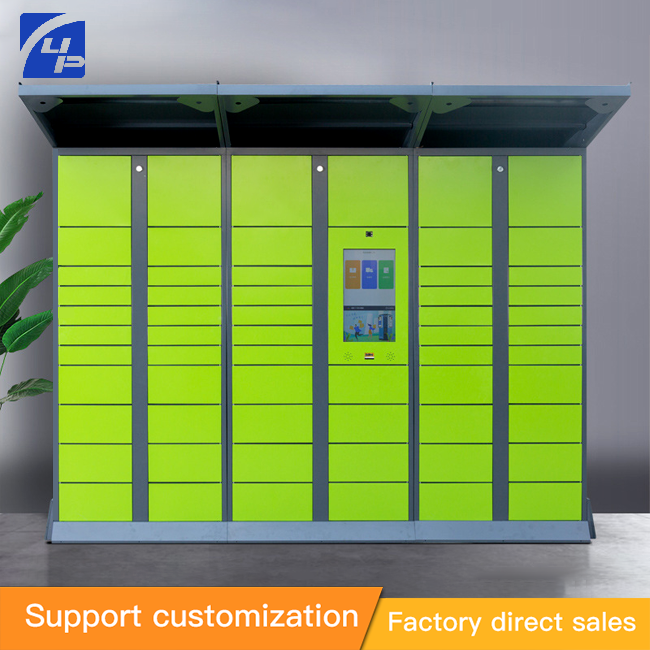
The Revolution of Automated Storage Solutions in Modern Business Operations
The contemporary business landscape is witnessing a remarkable transformation in how organizations manage their physical spaces and assets. Smart storage lockers are emerging as a game-changing solution, offering businesses innovative ways to maximize efficiency while minimizing spatial footprint. These intelligent storage systems represent more than just secure compartments – they're sophisticated tools that integrate seamlessly with digital workflows, enabling businesses to optimize their operations in ways previously unimaginable.
As commercial real estate costs continue to soar and workplace dynamics evolve, the implementation of smart storage lockers has become increasingly crucial for businesses seeking to maintain competitive advantages. These systems combine cutting-edge technology with practical storage solutions, creating an ecosystem that enhances security, improves accessibility, and streamlines resource management across various industries.
Key Benefits of Implementing Smart Storage Solutions
Enhanced Space Utilization and Flexibility
Smart storage lockers revolutionize how businesses approach space management by offering dynamic storage solutions that adapt to changing needs. Unlike traditional storage systems, these intelligent units can be reconfigured and optimized based on real-time usage data. Companies can analyze utilization patterns and adjust locker assignments accordingly, ensuring maximum efficiency of available space.
The modular nature of smart storage lockers allows businesses to scale their storage capacity up or down as needed, without requiring extensive renovations or disruptions to existing operations. This flexibility proves particularly valuable in environments where space requirements fluctuate seasonally or as organizations grow.
Operational Efficiency and Cost Reduction
The implementation of smart storage lockers leads to significant operational cost savings through automated management and reduced administrative overhead. These systems eliminate the need for manual key management and physical monitoring of storage spaces, freeing up staff time for more valuable tasks.
Additionally, the integrated tracking and reporting capabilities provide detailed insights into storage usage patterns, enabling businesses to make data-driven decisions about space allocation and resource management. This intelligence helps organizations optimize their storage investments and reduce unnecessary expansion costs.
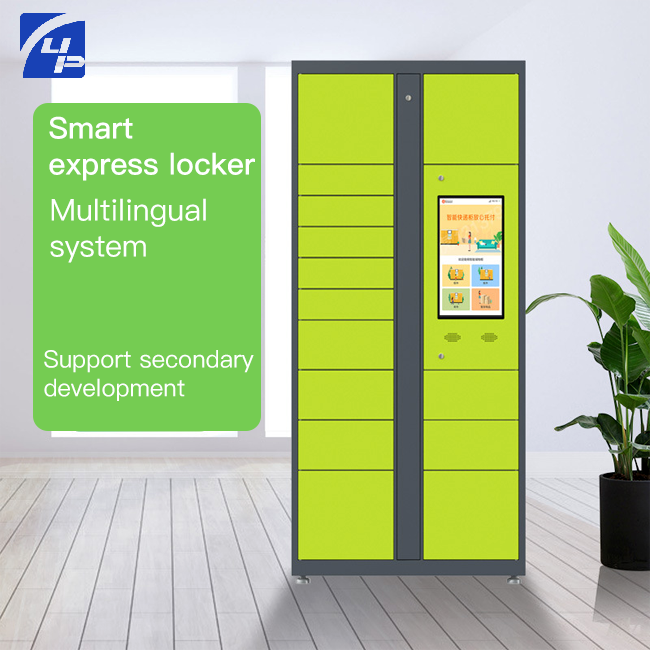
Advanced Features and Technology Integration
Sophisticated Access Control Systems
Modern smart storage lockers incorporate state-of-the-art access control mechanisms that enhance security while maintaining convenience. Biometric authentication, RFID cards, and mobile applications provide secure and trackable access to stored items. These systems can integrate with existing building security infrastructure, creating a seamless and comprehensive security solution.
The ability to set varying access levels and time-based permissions adds another layer of control, allowing businesses to manage who can access specific lockers and when. This granular control is particularly valuable in environments where sensitive items or documents need to be stored securely.
IoT Connectivity and Real-time Monitoring
The Internet of Things (IoT) capabilities of smart storage lockers enable real-time monitoring and management of storage spaces. Sensors integrated into the lockers can track usage patterns, monitor environmental conditions, and alert administrators to any unusual activities or maintenance requirements.
This connectivity also facilitates seamless integration with other business systems, such as inventory management software or employee directories, creating a more cohesive and efficient operational ecosystem. The ability to generate detailed reports and analytics helps organizations continuously optimize their storage strategies.
Industry-Specific Applications and Solutions
Corporate Office Environments
In modern office settings, smart storage lockers are transforming how businesses manage personal belongings, shared resources, and company assets. Hot-desking and flexible working arrangements become more manageable with secure, accessible storage solutions that employees can easily access when needed.
These systems also prove invaluable for managing shared equipment, such as laptops, tablets, or other technical devices. The automated check-out and check-in processes ensure accountability while maintaining efficient resource utilization.
Retail and E-commerce Operations
Smart storage lockers are revolutionizing retail operations by providing secure click-and-collect solutions and efficient inventory management systems. These lockers enable retailers to optimize their physical space while offering customers convenient pickup options for online purchases.
For e-commerce businesses, these systems can serve as automated distribution points, reducing the need for staffed locations while expanding delivery options for customers. The result is a more streamlined and cost-effective operation that enhances customer satisfaction.
Implementation Strategies and Best Practices
Planning and Assessment
Successful implementation of smart storage lockers begins with a thorough assessment of current space utilization and future needs. Organizations should analyze their workflow patterns, storage requirements, and user preferences to determine the optimal configuration and placement of storage units.
Working with experienced providers who can offer customized solutions based on specific business requirements ensures that the implemented system aligns with organizational goals and operational needs.
User Training and Adoption
The success of smart storage solutions depends heavily on user adoption and proper utilization. Comprehensive training programs should be developed to ensure all users understand how to access and use the system effectively. Regular feedback sessions can help identify any issues and opportunities for improvement.
Organizations should also consider developing clear policies and guidelines for locker usage, ensuring fair access and maintaining system efficiency over time.
Frequently Asked Questions
What security measures are built into smart storage lockers?
Smart storage lockers incorporate multiple layers of security, including biometric authentication, RFID technology, surveillance cameras, and encrypted access controls. Additionally, comprehensive audit trails track all access attempts and usage patterns, providing complete visibility over storage activities.
How do smart storage lockers integrate with existing building management systems?
These systems are designed with open architecture that allows seamless integration with various building management platforms, access control systems, and enterprise software solutions. APIs and standardized protocols ensure smooth communication between different systems.
What maintenance requirements do smart storage lockers have?
Smart storage lockers require minimal maintenance, typically including regular software updates, periodic hardware inspections, and occasional cleaning. Most systems include remote monitoring capabilities that can detect and alert administrators to potential issues before they become problems.