 EN
EN
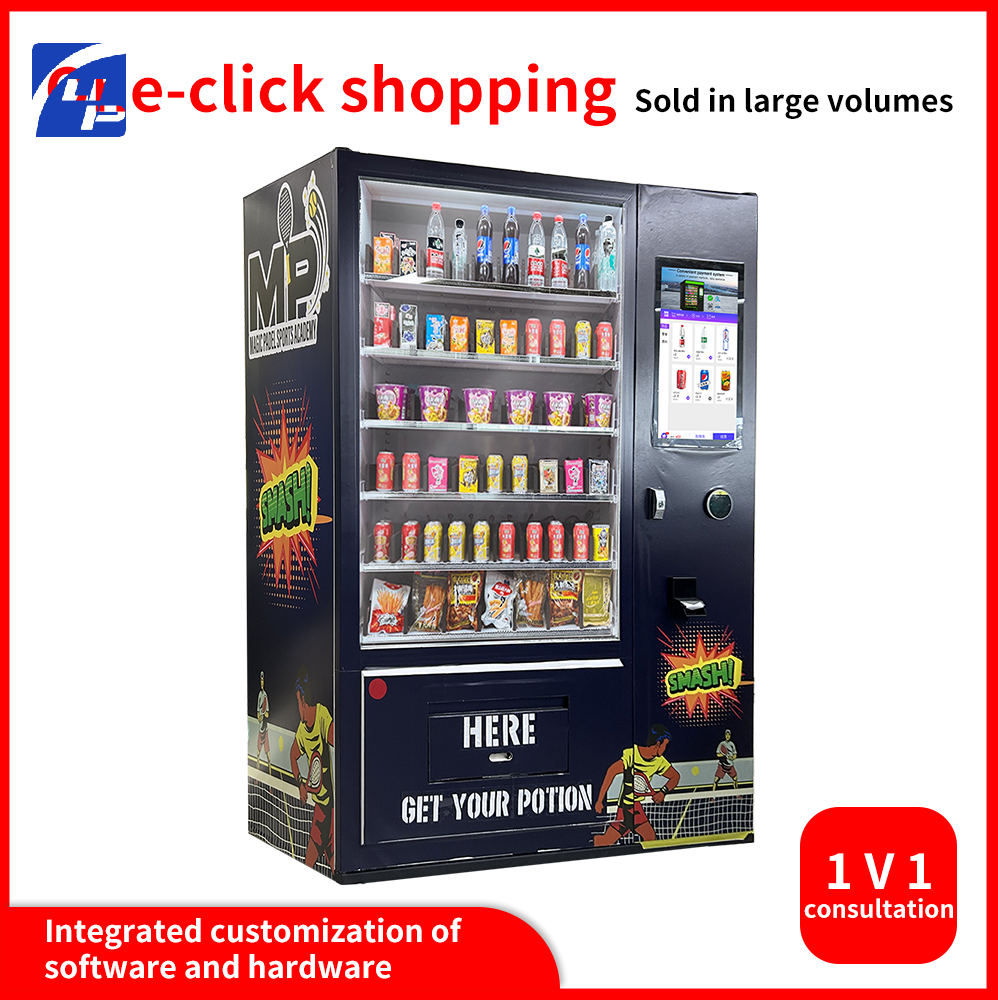
In today's fast-paced business environment, maximizing revenue opportunities in high-traffic areas has become a critical strategy for entrepreneurs and business owners. Snack vending machines represent one of the most effective passive income solutions available, particularly when strategically positioned in locations with consistent foot traffic. These automated retail solutions offer customers convenient access to refreshments while generating steady revenue streams for operators with minimal ongoing maintenance requirements.
The vending machine industry continues to experience robust growth, driven by increasing consumer demand for convenient, on-the-go food options and technological advancements that enhance user experience. Modern snack vending machines incorporate sophisticated payment systems, inventory management capabilities, and energy-efficient components that significantly improve profitability compared to traditional models. Understanding how to leverage these machines effectively in high-traffic environments can transform a simple investment into a substantial revenue generator.
Successful vending machine placement requires careful analysis of location demographics, traffic patterns, and consumer behavior. High-traffic areas such as office buildings, shopping centers, transportation hubs, educational institutions, and healthcare facilities present optimal opportunities for snack vending machines to generate consistent sales throughout operating hours. The key to maximizing revenue lies in selecting the right combination of products, pricing strategies, and machine features that align with specific location requirements.
Strategic Location Selection for Maximum Revenue
Identifying High-Traffic Venues
The foundation of successful snack vending machine operations begins with identifying venues that experience consistent, high-volume foot traffic throughout the day. Office complexes represent ideal locations, as employees frequently seek convenient snack options during breaks, lunch periods, and extended work sessions. These environments typically generate predictable traffic patterns, allowing operators to optimize inventory and pricing based on established consumption habits.
Educational institutions, including universities, community colleges, and large high schools, offer exceptional revenue potential due to their concentrated populations of students and staff. These locations often experience peak usage during class transitions, study periods, and recreational activities. The diverse demographic mix in educational settings allows for varied product offerings that can cater to different taste preferences and dietary requirements, ultimately increasing overall sales volume.
Transportation hubs such as airports, train stations, and bus terminals present unique opportunities for snack vending machines due to their continuous flow of travelers seeking quick refreshment options. These locations typically command premium pricing due to convenience factors and limited alternative food sources. The transient nature of customers in transportation hubs often results in impulse purchases, contributing to higher per-transaction values.
Evaluating Traffic Patterns and Demographics
Comprehensive traffic analysis involves studying pedestrian flow patterns, peak usage times, and demographic characteristics of potential customers. Successful operators conduct thorough site evaluations that include observing foot traffic during different times of day, days of the week, and seasonal variations. This data helps determine optimal machine placement within facilities and informs inventory selection decisions.
Demographic analysis extends beyond simple headcounts to include income levels, age groups, cultural preferences, and lifestyle factors that influence purchasing decisions. Healthcare facilities, for example, may require healthier snack options due to health-conscious environments, while entertainment venues might favor indulgent treats and energy drinks. Understanding these nuances enables operators to customize their offerings for maximum appeal and profitability.
Seasonal considerations play a crucial role in revenue optimization, as traffic patterns and product preferences often fluctuate throughout the year. School locations experience reduced activity during summer months, while shopping centers may see increased traffic during holiday seasons. Successful operators develop flexible strategies that account for these variations, adjusting inventory levels and product selections accordingly.
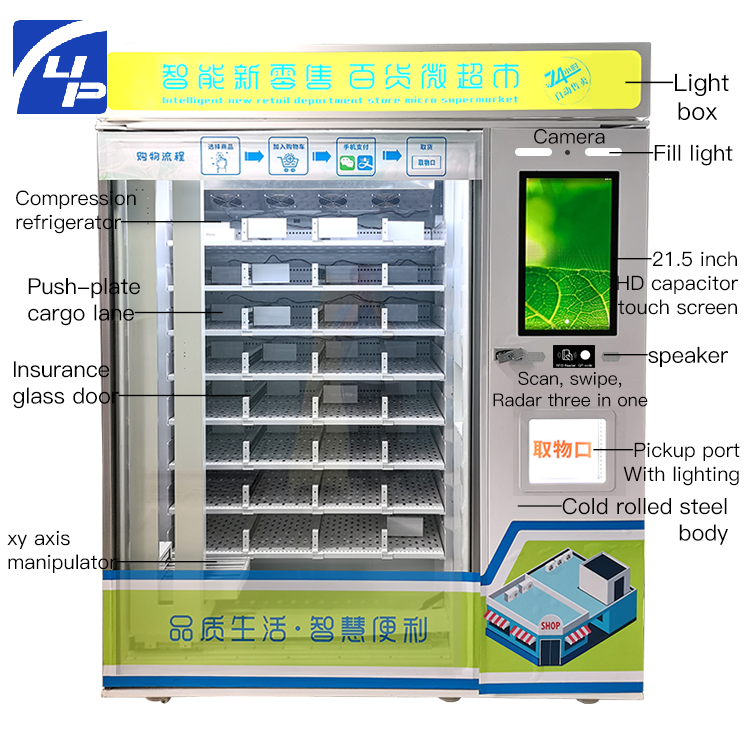
Product Selection and Inventory Management
Optimizing Product Mix for Target Markets
Effective product selection requires balancing popular mainstream items with specialized products that cater to local preferences and dietary trends. Traditional favorites such as chips, candy bars, and crackers form the foundation of most successful snack vending machines, providing consistent sales and familiar options for customers. However, incorporating trending items like protein bars, organic snacks, and gluten-free alternatives can attract health-conscious consumers and justify premium pricing.
Market research indicates that offering diverse price points within product categories increases overall sales by accommodating various budget constraints. Including both economy options and premium selections allows snack vending machines to capture a broader customer base while maximizing revenue per transaction. The strategic placement of higher-margin items at eye level and in prominent positions can influence purchasing decisions and improve profitability.
Beverage integration enhances the overall value proposition of vending operations, as customers often prefer one-stop shopping for their refreshment needs. Combining snack and drink options in a single machine or strategic placement of complementary machines can increase average transaction values and customer satisfaction levels. Popular beverage categories include carbonated soft drinks, bottled water, energy drinks, and specialty coffee beverages.
Implementing Data-Driven Restocking Strategies
Modern snack vending machines equipped with telemetry systems provide real-time sales data and inventory levels, enabling operators to implement sophisticated restocking strategies that minimize out-of-stock situations while reducing excess inventory carrying costs. This technology allows for precise demand forecasting based on historical sales patterns, seasonal trends, and special events that may impact consumption.
Automated inventory tracking systems help identify top-performing products, slow-moving items, and optimal reorder points for each location. This information enables operators to adjust product allocations, eliminate underperforming items, and introduce new products based on actual sales performance rather than assumptions. Data-driven decision making significantly improves inventory turnover rates and overall profitability.
Route optimization software integrates with vending machine data to create efficient restocking schedules that minimize travel time and labor costs while ensuring adequate inventory levels. These systems can prioritize high-volume locations, schedule maintenance activities, and coordinate deliveries to maximize operational efficiency. The result is improved service levels and reduced operational expenses that directly impact bottom-line profitability.
Technology Integration and Payment Systems
Modern Payment Solutions
Contemporary snack vending machines must accommodate diverse payment preferences to maximize sales opportunities and customer satisfaction. Cashless payment systems, including credit cards, debit cards, and mobile payment platforms, have become essential features that can increase sales by twenty to thirty percent compared to cash-only machines. The convenience of cashless transactions appeals to consumers who increasingly rely on electronic payment methods.
Mobile payment integration, including popular platforms like Apple Pay, Google Pay, and Samsung Pay, provides customers with seamless transaction experiences while reducing cash handling requirements for operators. These systems often process transactions more quickly than traditional payment methods, reducing wait times and improving customer satisfaction. Additionally, contactless payment options have gained increased importance due to health and hygiene considerations.
Campus card systems and employee badge integration create additional convenience for customers in specific environments while building loyalty through familiar payment methods. Educational institutions and corporate facilities often prefer these integrated solutions as they align with existing infrastructure and provide additional security benefits. Custom payment solutions can also enable promotional campaigns and loyalty programs that drive repeat purchases.
Remote Monitoring and Management
Advanced telemetry systems enable remote monitoring of machine performance, sales data, and maintenance requirements, allowing operators to manage multiple locations efficiently without constant physical presence. These systems provide alerts for various conditions, including low inventory levels, technical malfunctions, and security breaches, enabling proactive responses that minimize downtime and revenue loss.
Cloud-based management platforms consolidate data from multiple machines and locations, providing comprehensive analytics and reporting capabilities that support strategic decision-making. Operators can track performance metrics, identify trends, and compare location performance to optimize their overall portfolio. This centralized approach reduces administrative overhead while improving operational visibility.
Predictive maintenance capabilities utilize machine sensor data to identify potential problems before they result in equipment failures or service interruptions. This proactive approach reduces emergency repair costs, minimizes revenue loss from machine downtime, and extends equipment lifespan. Regular maintenance scheduling based on actual usage patterns rather than arbitrary timelines improves efficiency and reduces operational costs.
Pricing Strategies and Profit Maximization
Dynamic Pricing Models
Implementing flexible pricing strategies allows operators to optimize revenue based on location characteristics, competition levels, and customer demographics. Premium locations with limited food alternatives can support higher pricing, while competitive environments may require more aggressive pricing to maintain market share. Understanding local market conditions enables operators to establish pricing that maximizes both sales volume and profit margins.
Time-based pricing strategies can leverage peak demand periods to increase revenue while maintaining competitive pricing during slower periods. Some advanced snack vending machines support dynamic pricing capabilities that automatically adjust prices based on inventory levels, time of day, or special promotions. These systems can implement surge pricing during high-demand periods or discount pricing to move slow-moving inventory.
Bundle pricing strategies encourage larger purchases by offering discounts on multiple items or combination packages. These approaches increase average transaction values while providing customers with perceived value benefits. Promotional pricing campaigns tied to seasonal events, holidays, or special occasions can drive incremental sales and introduce customers to new products.
Cost Management and Operational Efficiency
Effective cost management begins with negotiating favorable product costs through volume purchasing, direct supplier relationships, and cooperative buying programs. Establishing relationships with multiple suppliers provides flexibility in product selection and pricing while reducing dependency on single sources. Regular cost analysis ensures pricing remains competitive while maintaining target profit margins.
Route optimization and efficient restocking procedures minimize labor costs and transportation expenses that directly impact profitability. Consolidating deliveries, utilizing efficient scheduling software, and training staff on best practices reduce operational overhead. Implementing standardized procedures across multiple locations creates economies of scale and improves overall efficiency.
Energy efficiency considerations become increasingly important as utility costs rise and environmental consciousness grows. Modern snack vending machines incorporate LED lighting, improved insulation, and energy-efficient refrigeration systems that significantly reduce operating costs. These features often justify higher initial equipment costs through ongoing operational savings and improved environmental sustainability.
Marketing and Customer Engagement
Location-Specific Promotional Strategies
Developing targeted marketing campaigns that resonate with specific location demographics increases brand awareness and drives sales growth. Educational environments may benefit from study-season promotions or exam period specials, while office locations might focus on productivity-boosting snacks or healthy alternatives. Understanding the unique characteristics of each location enables more effective promotional strategies.
Digital displays and interactive features on modern vending machines provide platforms for promotional messaging, product information, and engaging customer experiences. These capabilities enable operators to communicate value propositions, highlight new products, and create memorable interactions that encourage repeat purchases. Dynamic content management allows for timely updates and location-specific messaging.
Social media integration and customer feedback systems help build community engagement and gather valuable insights about customer preferences and satisfaction levels. Encouraging customers to share experiences, provide reviews, and participate in promotional campaigns creates additional marketing opportunities while building brand loyalty. This engagement provides valuable data for continuous improvement initiatives.
Building Customer Loyalty and Retention
Loyalty programs implemented through mobile apps or card-based systems encourage repeat purchases and increase customer lifetime value. These programs can offer points-based rewards, purchase-based discounts, or exclusive access to new products. Successful loyalty programs create emotional connections with customers while providing valuable data about purchasing behaviors and preferences.
Consistent product availability and machine reliability build trust and encourage regular usage patterns. Customers who can depend on finding their preferred products consistently are more likely to become regular purchasers. Implementing robust maintenance schedules and proactive inventory management ensures positive customer experiences that support long-term loyalty.
Community involvement and local partnerships can enhance brand visibility and create positive associations with vending operations. Sponsoring local events, supporting charitable causes, or partnering with local businesses creates goodwill and marketing opportunities. These relationships often lead to preferential placement opportunities and reduced competition from alternative operators.
FAQ
What factors determine the profitability of snack vending machines in high-traffic areas
Profitability depends on several key factors including location quality, foot traffic volume, product selection, pricing strategy, and operational efficiency. High-traffic areas with limited food alternatives typically generate higher profits due to increased sales volume and premium pricing opportunities. Product mix optimization, efficient restocking procedures, and modern payment systems significantly impact overall profitability.
How much revenue can a well-placed snack vending machine generate monthly
Monthly revenue varies significantly based on location, traffic volume, and operational factors, but successful machines in prime locations can generate anywhere from five hundred to three thousand dollars per month. Office buildings and educational institutions typically provide consistent revenue streams, while transportation hubs may offer higher peak revenues with more variability. Proper location analysis and product optimization are essential for achieving target revenue levels.
What are the initial investment costs for starting a snack vending machine business
Initial investment costs include machine purchase or lease payments, initial inventory, location fees, permits, and insurance. New machines typically range from three thousand to eight thousand dollars, while used machines may cost significantly less but require careful evaluation of condition and remaining lifespan. Additional costs include product inventory, transportation, and ongoing operational expenses that should be factored into financial planning.
How do I negotiate favorable location agreements for vending machine placement
Successful negotiations focus on demonstrating mutual benefits, including convenience for customers, potential revenue sharing opportunities, and professional service commitments. Presenting comprehensive business plans, insurance documentation, and references from existing locations builds credibility with property managers. Offering competitive commission rates, maintenance guarantees, and flexible terms helps secure desirable locations while maintaining profitability.
Table of Contents
- Strategic Location Selection for Maximum Revenue
- Product Selection and Inventory Management
- Technology Integration and Payment Systems
- Pricing Strategies and Profit Maximization
- Marketing and Customer Engagement
-
FAQ
- What factors determine the profitability of snack vending machines in high-traffic areas
- How much revenue can a well-placed snack vending machine generate monthly
- What are the initial investment costs for starting a snack vending machine business
- How do I negotiate favorable location agreements for vending machine placement