 EN
EN

In today's fast-paced commercial environment, businesses across various industries are constantly seeking innovative solutions to streamline operations and enhance efficiency. The emergence of automated helmet cleaning machine technology has revolutionized how companies manage personal protective equipment maintenance. These sophisticated devices offer unprecedented convenience for organizations that rely heavily on helmet usage, from construction sites to manufacturing facilities. By automating the cleaning process, these machines eliminate the time-consuming manual labor traditionally associated with helmet maintenance while ensuring consistent sanitization standards.
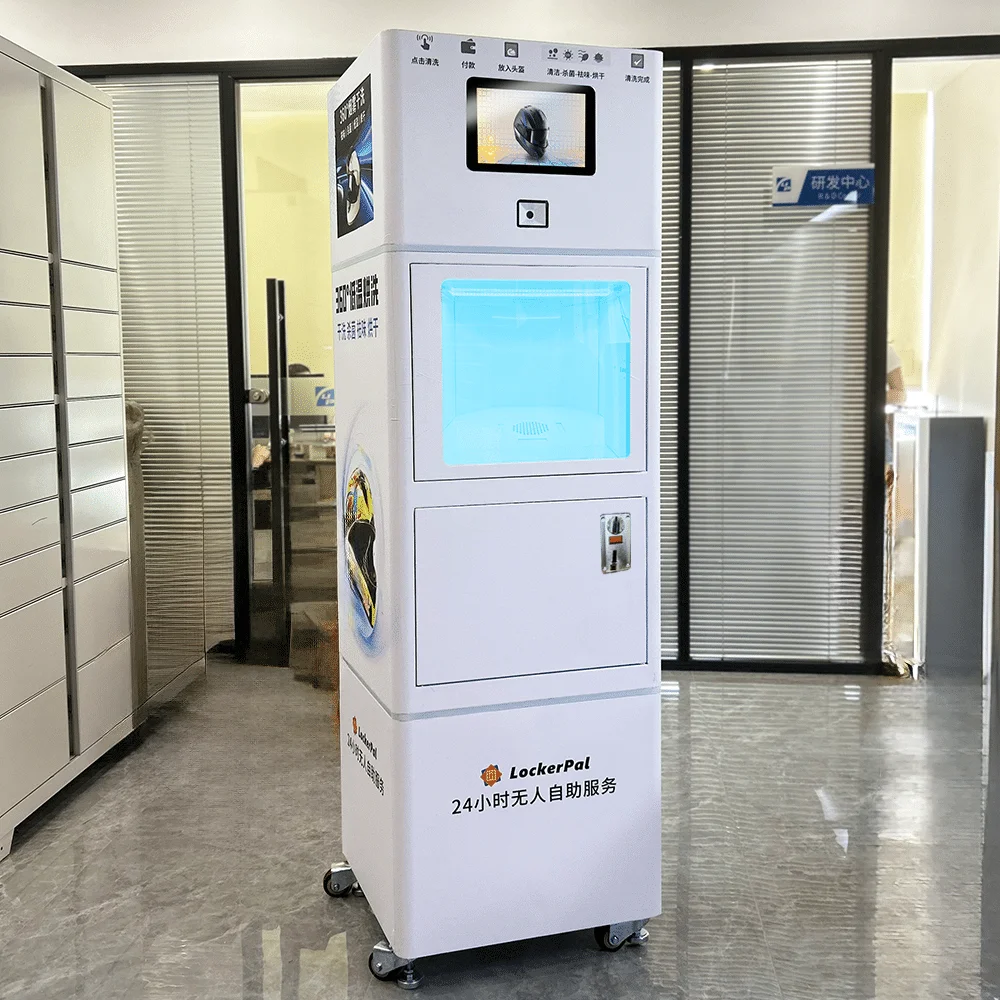
The implementation of commercial helmet cleaning solutions addresses critical workplace safety requirements while optimizing resource allocation. Modern facilities understand that maintaining clean, sanitized protective equipment is not merely a regulatory compliance issue but a fundamental aspect of employee welfare and operational excellence. These automated systems provide businesses with the capability to process multiple helmets simultaneously, significantly reducing the personnel hours dedicated to equipment maintenance tasks.
Advanced Technology Behind Modern Helmet Cleaning Systems
Automated Cleaning Mechanisms
Contemporary helmet cleaning machine designs incorporate sophisticated mechanical systems that deliver thorough cleaning without requiring constant human supervision. These devices utilize specialized rotating brushes, precisely calibrated water pressure systems, and targeted spray mechanisms to remove dirt, debris, and contaminants from helmet surfaces. The automation eliminates inconsistencies in cleaning quality that often occur with manual processes, ensuring every helmet receives identical treatment regardless of the operator or time constraints.
The mechanical precision of these systems extends beyond basic surface cleaning to include interior sanitization capabilities. Advanced models feature adjustable cleaning cycles that accommodate different helmet types and contamination levels. This flexibility allows operators to customize cleaning protocols based on specific workplace requirements, whether dealing with light dust accumulation or heavy industrial residues that require more intensive treatment procedures.
Sanitization and Deodorization Features
Modern commercial helmet cleaning equipment integrates comprehensive sanitization protocols that address microbial contamination concerns. These systems employ various disinfection methods, including UV-C light treatment, antimicrobial solution application, and ozone-based purification processes. The multi-layered approach ensures elimination of bacteria, viruses, and fungi that commonly accumulate on frequently used protective equipment, creating healthier workplace environments for employees.
Deodorization capabilities represent another crucial aspect of advanced helmet cleaning machine functionality. Persistent odors resulting from prolonged helmet usage can create uncomfortable working conditions and potentially impact employee morale. Specialized deodorization systems neutralize odor-causing compounds through chemical processes and airflow management, restoring helmets to fresh, pleasant conditions that encourage consistent protective equipment usage among workers.
Operational Efficiency and Time Management Benefits
Reduced Labor Requirements
The implementation of automated helmet cleaning systems dramatically reduces the human resources required for equipment maintenance activities. Traditional manual cleaning processes typically require dedicated personnel to spend considerable time scrubbing, rinsing, and drying individual helmets. Automated systems eliminate these labor-intensive tasks, allowing employees to focus on more productive activities that directly contribute to core business operations and revenue generation.
Labor cost savings extend beyond immediate cleaning activities to include reduced training requirements and decreased supervision needs. Manual cleaning procedures often require specific training protocols to ensure consistency and effectiveness, along with ongoing supervision to maintain quality standards. Automated helmet cleaning machine solutions minimize these requirements, as operators need only basic instruction on system operation and maintenance procedures, resulting in lower training costs and simplified workforce management.
Increased Processing Capacity
Commercial helmet cleaning equipment significantly enhances processing capacity compared to manual alternatives, enabling facilities to clean larger quantities of protective equipment within shorter timeframes. Many modern systems accommodate multiple helmets simultaneously, with some models capable of processing dozens of units per cleaning cycle. This increased throughput directly translates to improved operational efficiency and reduced equipment downtime.
The enhanced processing capacity becomes particularly valuable for large-scale operations where hundreds of employees require clean protective equipment daily. Construction companies, manufacturing facilities, and mining operations benefit enormously from the ability to process entire shifts' worth of helmets quickly and efficiently. This capability ensures adequate supplies of clean equipment are always available, preventing operational delays caused by equipment shortage or inadequate cleaning procedures.
Cost-Effectiveness and Return on Investment
Long-term Financial Benefits
While the initial investment in commercial helmet cleaning machine technology may seem substantial, the long-term financial benefits justify the expenditure for most commercial operations. Reduced labor costs, improved equipment longevity, and decreased replacement frequency contribute to significant cost savings over the equipment's operational lifetime. Additionally, automated systems often consume less water and cleaning solutions compared to manual processes, further reducing ongoing operational expenses.
The financial advantages extend to indirect cost savings through improved workplace safety and regulatory compliance. Properly maintained protective equipment reduces accident rates and associated insurance costs, workers' compensation claims, and potential legal liabilities. These indirect benefits often exceed the direct operational savings, making automated cleaning systems highly attractive investments for safety-conscious organizations.
Equipment Longevity and Maintenance
Professional helmet cleaning machine systems contribute to extended protective equipment lifespan through consistent, appropriate cleaning methods that prevent damage commonly associated with improper manual cleaning techniques. Harsh scrubbing, excessive chemical exposure, or inadequate rinsing can degrade helmet materials over time, necessitating premature replacement. Automated systems apply precise cleaning pressures and chemical concentrations that effectively clean without causing material deterioration.
The controlled cleaning environment provided by automated systems also prevents cross-contamination between different helmet types or contamination sources. This protection maintains equipment integrity and performance characteristics, ensuring protective equipment continues meeting safety standards throughout its intended service life. Extended equipment longevity directly reduces replacement costs and inventory management requirements, contributing to overall operational efficiency.
Industry Applications and Versatility
Construction and Manufacturing Sectors
Construction industry applications represent one of the most significant markets for commercial helmet cleaning machine technology. Construction sites generate various contaminants, from concrete dust and paint residues to chemical exposures that require thorough cleaning for worker safety. Automated cleaning systems provide the consistency and thoroughness necessary to address these challenging contamination scenarios while maintaining the rapid turnaround times essential for large construction projects.
Manufacturing facilities benefit similarly from automated helmet cleaning capabilities, particularly those involved in chemical processing, food production, or precision manufacturing where contamination control is critical. These environments often require specific cleaning protocols tailored to particular contaminant types, and modern cleaning systems offer the programmability and flexibility needed to accommodate diverse requirements within single facilities.
Healthcare and Food Service Industries
Healthcare facilities and food service operations have increasingly adopted commercial helmet cleaning machine solutions to maintain stringent hygiene standards required by regulatory authorities. These industries face unique challenges related to biological contamination and cross-contamination prevention, making automated sanitization capabilities particularly valuable. The ability to document cleaning cycles and maintain consistent protocols supports regulatory compliance efforts and quality assurance programs.
Food processing facilities specifically benefit from the comprehensive sanitization features available in modern cleaning systems. These environments require equipment that can eliminate foodborne pathogens while avoiding chemical residues that could contaminate food products. Advanced cleaning systems provide the precise control necessary to balance thorough sanitization with food safety requirements, making them indispensable tools for maintaining operational licenses and consumer confidence.
Installation and Integration Considerations
Space Requirements and Layout Planning
Successful implementation of commercial helmet cleaning machine systems requires careful consideration of facility layout and space allocation. Most modern systems feature compact designs that maximize cleaning capacity while minimizing floor space requirements, but proper planning ensures optimal workflow integration. Placement decisions should consider proximity to helmet storage areas, drainage access, and electrical connections to minimize installation costs and operational inefficiencies.
Workflow integration extends beyond physical placement to include consideration of cleaning schedules and capacity requirements. Facilities must evaluate peak usage patterns and plan cleaning system capacity accordingly to prevent bottlenecks during shift changes or high-demand periods. Proper planning ensures the cleaning system enhances rather than impedes overall operational efficiency.
Maintenance and Support Requirements
Modern helmet cleaning machine systems require minimal maintenance compared to complex industrial equipment, but establishing proper maintenance protocols ensures optimal performance and longevity. Routine maintenance typically includes cleaning solution replenishment, filter replacement, and periodic system calibration. Most manufacturers provide comprehensive maintenance schedules and support services to minimize downtime and ensure consistent performance.
Technical support availability and service response times represent crucial considerations during equipment selection. Reliable manufacturer support ensures rapid resolution of operational issues and minimizes production disruptions. Many suppliers offer remote diagnostic capabilities and preventive maintenance programs that further reduce the risk of unexpected system failures and associated operational impacts.
FAQ
What types of helmets can be cleaned using commercial helmet cleaning machines
Commercial helmet cleaning machine systems accommodate various helmet types including hard hats, safety helmets, motorcycle helmets, and specialized protective headgear used in industrial applications. Most modern systems feature adjustable cleaning mechanisms that adapt to different helmet sizes and configurations. However, it's essential to verify compatibility with specific helmet materials and manufacturer cleaning recommendations before processing specialty or expensive protective equipment.
How long does a typical cleaning cycle take in automated helmet cleaning systems
Standard cleaning cycles in commercial helmet cleaning machine equipment typically range from 3 to 8 minutes depending on the selected cleaning protocol and contamination level. Quick cleaning cycles for lightly soiled helmets may complete in 3-4 minutes, while intensive cleaning protocols for heavily contaminated equipment may require 6-8 minutes. Many systems offer multiple cycle options allowing operators to balance cleaning thoroughness with processing speed based on specific requirements.
What utilities and connections are required for helmet cleaning machine installation
Most commercial helmet cleaning systems require standard electrical connections (typically 110V or 220V), water supply access, and drainage capabilities. Some advanced models may require compressed air connections for drying functions. Installation requirements vary by manufacturer and model, but most systems integrate readily into existing facility infrastructure without extensive modifications. Proper ventilation may be necessary for systems using chemical sanitization processes.
How do automated helmet cleaning systems compare to manual cleaning in terms of effectiveness
Automated helmet cleaning machine systems typically provide superior cleaning consistency and effectiveness compared to manual methods. Automated systems apply precise pressure, temperature, and chemical concentrations while ensuring complete coverage of all helmet surfaces. Manual cleaning effectiveness varies based on operator technique, time availability, and attention to detail, making automated systems more reliable for maintaining consistent safety standards across large quantities of protective equipment.
Table of Contents
- Advanced Technology Behind Modern Helmet Cleaning Systems
- Operational Efficiency and Time Management Benefits
- Cost-Effectiveness and Return on Investment
- Industry Applications and Versatility
- Installation and Integration Considerations
-
FAQ
- What types of helmets can be cleaned using commercial helmet cleaning machines
- How long does a typical cleaning cycle take in automated helmet cleaning systems
- What utilities and connections are required for helmet cleaning machine installation
- How do automated helmet cleaning systems compare to manual cleaning in terms of effectiveness