 EN
EN
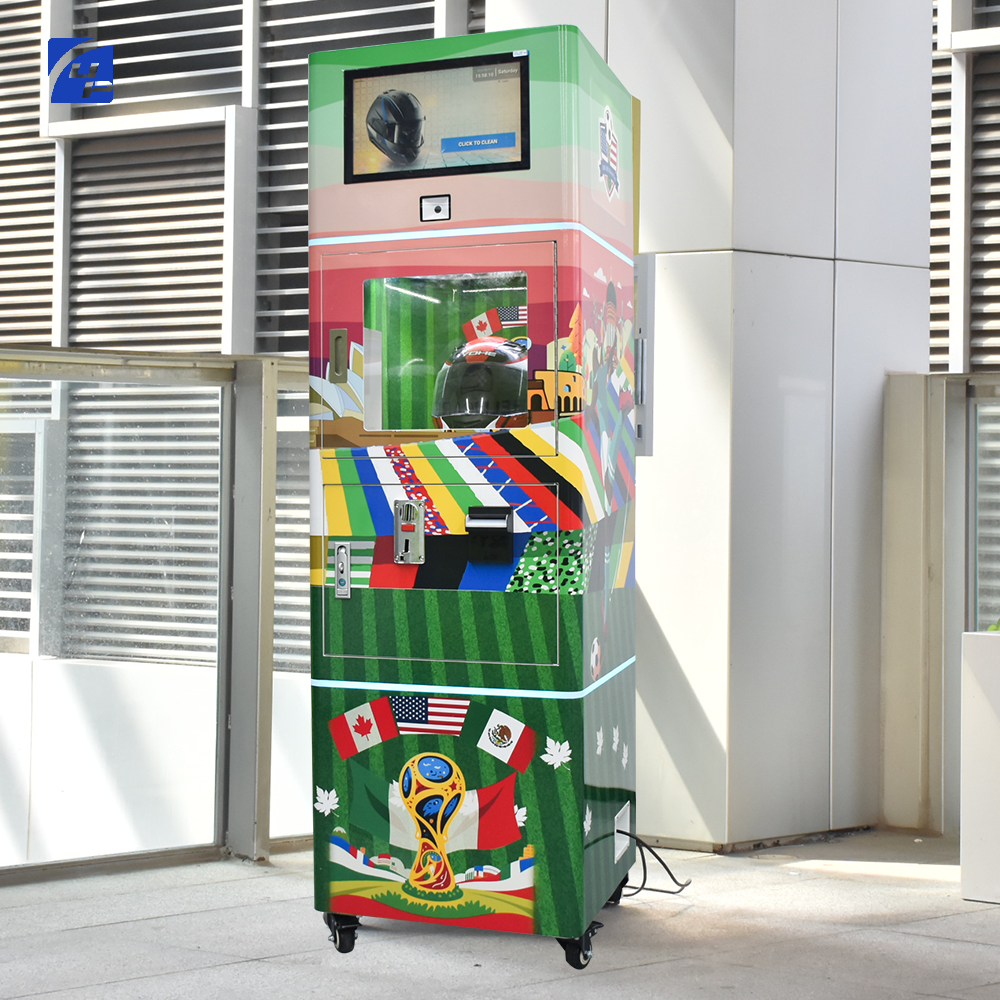
Modern transportation hubs, motorcycle rental services, and recreational facilities are increasingly recognizing the importance of hygiene and customer satisfaction. A commercial helmet cleaning machine represents a revolutionary solution that addresses both cleanliness concerns and operational efficiency. These automated systems provide a sophisticated approach to maintaining helmet hygiene while simultaneously enhancing the overall customer experience through convenience and peace of mind.
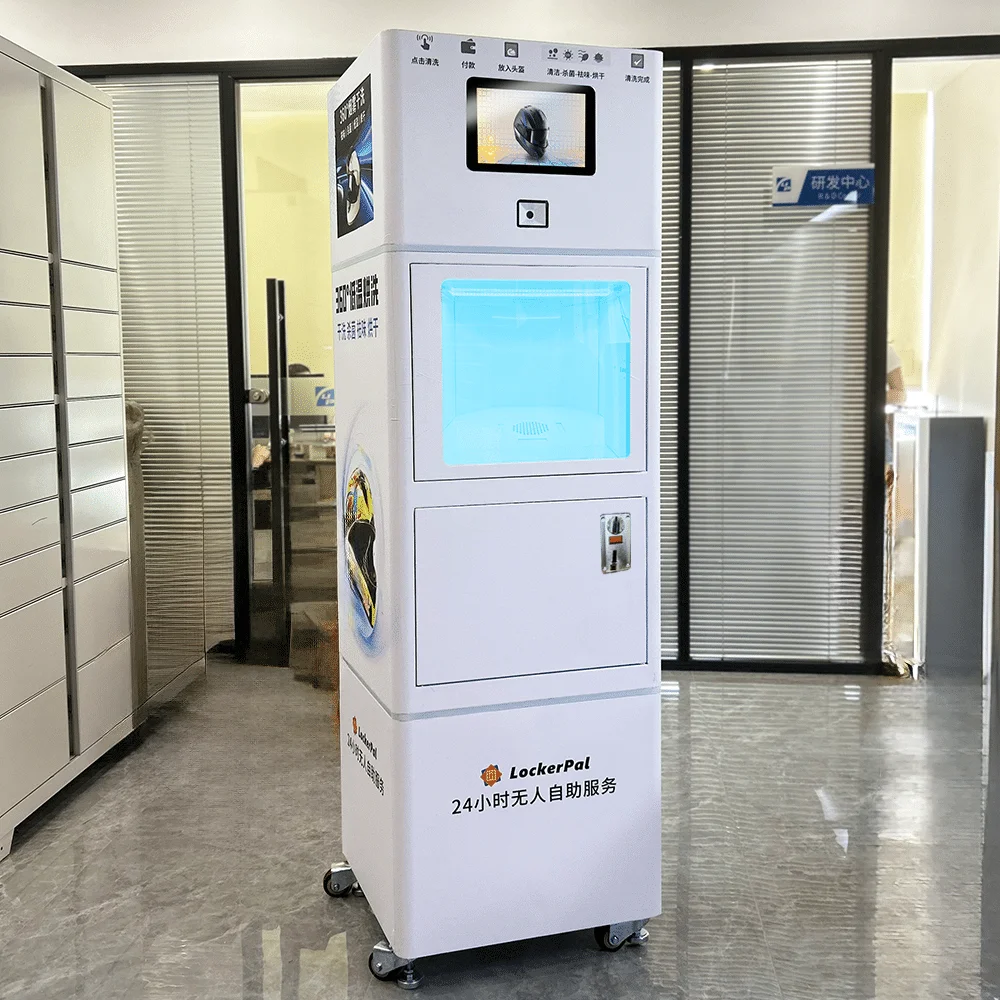
The growing awareness of health and safety protocols has transformed customer expectations across various industries. Businesses that prioritize cleanliness and hygiene demonstrate their commitment to customer welfare, which directly translates into improved brand reputation and customer loyalty. A helmet cleaning machine serves as a visible testament to these values while providing practical benefits that customers can immediately appreciate.
Investment in automated cleaning technology reflects forward-thinking business practices that anticipate customer needs and market trends. The integration of such systems creates competitive advantages while addressing legitimate health concerns that have become increasingly prominent in recent years. These machines offer a perfect blend of technology, convenience, and hygiene that resonates with quality-conscious consumers.
Advanced Technology Features of Modern Helmet Cleaning Systems
Automated Sanitization Processes
Contemporary helmet cleaning machine models incorporate sophisticated sanitization technologies that eliminate bacteria, viruses, and odor-causing microorganisms. These systems utilize UV-C light sterilization, ozone treatment, or antimicrobial spray applications to ensure comprehensive decontamination. The automated nature of these processes guarantees consistent results while minimizing human error and reducing labor costs.
The integration of multiple sanitization methods creates a multi-layered approach to cleanliness that exceeds traditional manual cleaning standards. Advanced sensors monitor the cleaning cycle progress and adjust parameters based on detected contamination levels. This intelligent functionality ensures optimal cleaning performance while maintaining equipment longevity and operational efficiency.
Temperature control systems within these machines create optimal conditions for effective sanitization while protecting helmet materials from damage. The precise calibration of cleaning parameters ensures that various helmet types and materials receive appropriate treatment without compromising structural integrity or aesthetic appeal.
User-Friendly Interface Design
Modern helmet cleaning machine interfaces feature intuitive touchscreen displays that guide users through simple step-by-step processes. Clear visual indicators and multilingual options accommodate diverse user bases while minimizing confusion and operational delays. The streamlined interface design reduces the learning curve and encourages frequent usage among customers.
Payment integration systems accept various forms of compensation including coins, bills, cards, and mobile payments, providing flexibility that matches contemporary consumer preferences. Real-time status updates keep users informed about cleaning progress and estimated completion times, enhancing transparency and trust in the service.
Emergency stop functions and safety protocols ensure user protection while maintaining equipment integrity during unexpected situations. These safety features demonstrate the manufacturer's commitment to responsible design and help businesses maintain liability protection while providing valuable services to customers.
Operational Benefits for Business Owners
Revenue Generation Opportunities
A commercial helmet cleaning machine creates new revenue streams through pay-per-use services that require minimal oversight once installed. The automated nature of these systems allows businesses to generate income continuously without dedicating staff resources to manual cleaning operations. Strategic placement in high-traffic areas maximizes utilization rates and corresponding revenue potential.
Subscription or membership models can be implemented for frequent users, creating predictable recurring revenue while encouraging customer loyalty. Premium cleaning options with extended cycles or specialized treatments can command higher prices for customers who value superior service quality. These pricing strategies allow businesses to cater to different customer segments while optimizing profit margins.
Partnership opportunities with insurance companies or health organizations can provide additional revenue sources while positioning the business as a health-conscious service provider. Such collaborations enhance credibility while potentially reducing operational costs through shared marketing efforts or bulk purchasing agreements.
Cost Reduction and Efficiency Gains
Automated helmet cleaning eliminates labor costs associated with manual cleaning processes while ensuring consistent quality standards. The helmet cleaning machine operates continuously without breaks or shifts, maximizing productivity and service availability. Reduced dependency on human resources allows staff to focus on core business activities while maintaining superior cleaning standards.
Energy-efficient designs minimize operational costs while environmental compliance features reduce waste disposal expenses and regulatory compliance burdens. Predictable maintenance schedules and modular component designs facilitate cost-effective repairs and extend equipment lifespan, improving return on investment calculations.
Bulk purchasing of cleaning supplies and consumables reduces per-unit costs while automated inventory monitoring prevents stockouts and overstocking situations. These operational efficiencies compound over time to create substantial cost savings that improve overall business profitability.
Customer Experience Enhancement Strategies
Convenience and Accessibility
Strategic placement of helmet cleaning machine units in easily accessible locations reduces customer inconvenience while encouraging regular usage. Twenty-four-hour availability accommodates diverse schedules and spontaneous usage patterns, particularly important for transportation hubs and recreational facilities with extended operating hours.
Quick cleaning cycles minimize waiting times while comprehensive cleaning ensures customer satisfaction with results. The self-service nature of these systems eliminates scheduling constraints and reduces dependency on staff availability, providing customers with greater control over their experience timing.
Accessibility features such as adjustable height settings and clear instructions accommodate users with different physical abilities and requirements. These inclusive design elements demonstrate social responsibility while expanding the potential customer base and market reach.
Health and Safety Assurance
Visible helmet cleaning machine operations provide customers with confidence in hygiene standards while addressing health concerns that may otherwise deter usage. Transparent cleaning processes allow customers to observe sanitization procedures, building trust and encouraging repeat usage through demonstrated effectiveness.
Certification displays and health authority approvals validate cleaning efficacy while providing legal protection for businesses. Regular maintenance schedules and quality control procedures ensure consistent performance while maintaining customer confidence in service reliability.
Documentation of cleaning cycles and sanitization records supports quality assurance programs while providing evidence of due diligence in health and safety compliance. These records can be valuable for insurance purposes and regulatory compliance requirements.
Market Applications and Industry Implementation
Transportation and Mobility Services
Motorcycle rental companies benefit significantly from helmet cleaning machine integration by reducing insurance liabilities while improving customer satisfaction scores. Clean, sanitized helmets encourage longer rental periods and repeat business while reducing health-related complaints and negative reviews.
Public transportation systems incorporating motorcycle or scooter sharing programs can enhance user adoption rates through improved hygiene standards. The presence of automated cleaning systems addresses a primary concern that prevents potential users from participating in shared mobility programs.
Delivery services and logistics companies can improve employee satisfaction and health outcomes while reducing sick leave costs through consistent helmet sanitization. Regular cleaning cycles extend helmet lifespan while maintaining professional appearance standards that reflect positively on brand image.
Recreational and Tourism Facilities
Adventure tourism operators and recreational vehicle rental businesses can differentiate their services through superior hygiene standards that justify premium pricing. International tourists, in particular, appreciate visible health and safety measures that align with their home country standards.
Theme parks and entertainment venues offering motorcycle or ATV experiences can enhance guest satisfaction while reducing liability exposure through documented cleaning procedures. The helmet cleaning machine becomes part of the overall experience quality that influences customer reviews and recommendations.
Educational institutions with motorcycle training programs can improve student confidence and participation rates while maintaining professional standards that enhance program reputation. Clean equipment reflects institutional commitment to student welfare and educational quality.
Technology Integration and Smart Features
IoT Connectivity and Remote Monitoring
Internet of Things integration allows remote monitoring of helmet cleaning machine performance, usage statistics, and maintenance requirements. Real-time data collection enables predictive maintenance scheduling while optimizing operational efficiency and minimizing downtime costs.
Cloud-based analytics provide insights into usage patterns, peak demand periods, and customer preferences that inform business decisions and expansion planning. This data-driven approach enables evidence-based optimization of pricing strategies and service offerings.
Mobile applications can provide customers with machine location information, availability status, and usage instructions while building brand engagement through digital touchpoints. Push notifications about promotions or maintenance schedules keep customers informed and engaged with the service.
Quality Control and Performance Monitoring
Integrated sensors monitor cleaning effectiveness and equipment performance to ensure consistent quality standards across multiple locations. Automated quality control systems prevent substandard cleaning cycles while maintaining customer confidence in service reliability.
Performance benchmarking against industry standards provides competitive intelligence while supporting continuous improvement initiatives. Regular software updates enhance functionality and introduce new features that keep the helmet cleaning machine competitive in evolving markets.
Customer feedback integration systems collect satisfaction data that informs service improvements while identifying optimization opportunities. This feedback loop ensures that the technology continues meeting evolving customer expectations and market requirements.
Return on Investment and Financial Considerations
Initial Investment and Payback Analysis
The initial cost of a helmet cleaning machine varies based on features, capacity, and installation requirements, but most systems demonstrate positive return on investment within twelve to eighteen months of operation. Revenue projections based on usage frequency and pricing strategies provide clear financial justification for the investment.
Financing options and leasing programs reduce upfront capital requirements while preserving cash flow for other business needs. Tax incentives for health and safety equipment may further improve the financial attractiveness of these investments.
Comparative analysis against manual cleaning costs reveals significant long-term savings in labor, supplies, and administrative overhead. These calculations demonstrate compelling financial benefits that extend beyond initial revenue generation opportunities.
Long-term Profitability Factors
Customer retention improvements and increased usage frequency contribute to sustained revenue growth that compounds over time. Word-of-mouth marketing and positive reviews generated by superior hygiene standards create organic promotional benefits that reduce marketing costs.
Operational efficiency gains and reduced liability exposure provide indirect financial benefits that improve overall business profitability. Insurance premium reductions and decreased health-related incidents create measurable cost savings that enhance investment returns.
Market expansion opportunities and franchise potential create scalability options that multiply investment returns through systematic deployment of proven helmet cleaning machine concepts across multiple locations and markets.
FAQ
What maintenance requirements does a helmet cleaning machine have?
Regular maintenance includes weekly cleaning supply refills, monthly filter replacements, and quarterly professional servicing. Most systems feature automated maintenance alerts and diagnostic capabilities that simplify upkeep requirements while ensuring optimal performance.
How long does a typical helmet cleaning cycle take?
Standard cleaning cycles range from three to five minutes depending on the selected program and contamination level. Express options complete basic sanitization in under two minutes, while deep cleaning programs may require up to eight minutes for comprehensive treatment.
Can the machine accommodate different helmet sizes and styles?
Modern helmet cleaning machines feature adjustable internal configurations that accommodate various helmet sizes from small motorcycle helmets to large industrial hard hats. Universal mounting systems and flexible positioning mechanisms ensure secure fitting for different helmet designs and materials.
What safety certifications should I look for when purchasing?
Look for certifications from recognized safety organizations such as UL, CE marking for European compliance, and FDA approval for sanitization methods. Professional installation certification and warranty coverage provide additional assurance of safety and reliability standards compliance.