 EN
EN
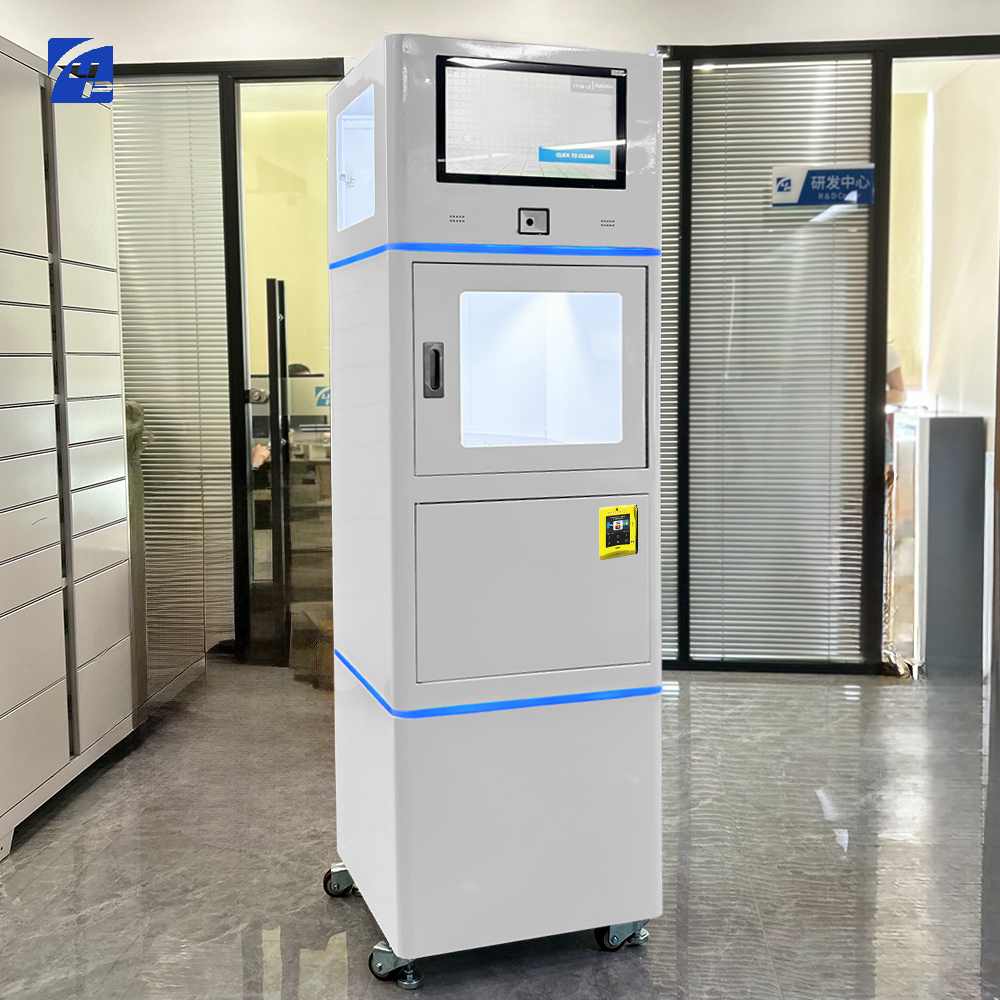
The industrial landscape has witnessed a significant transformation in workplace safety protocols over the past decade. Among the most notable innovations gaining traction is the automated helmet washing machine, a specialized cleaning system designed to maintain the hygiene and integrity of protective headgear in various industrial environments. This equipment represents a crucial advancement in occupational health and safety, addressing the growing concerns about contamination, odor control, and equipment longevity that traditional cleaning methods often fail to resolve effectively.
Manufacturing facilities, construction sites, and chemical processing plants have increasingly recognized the importance of maintaining clean protective equipment as part of their comprehensive safety programs. The automated approach to helmet cleaning not only ensures consistent sanitization standards but also reduces the burden on maintenance staff while extending the operational lifespan of expensive safety equipment. This technological solution addresses multiple challenges simultaneously, making it an attractive investment for forward-thinking industrial operations.
The rising popularity of these specialized cleaning systems reflects a broader industry trend toward automation and improved safety standards. Companies are discovering that investing in proper equipment maintenance infrastructure can significantly reduce replacement costs, minimize health risks, and demonstrate their commitment to employee welfare. As regulatory requirements become more stringent and workplace safety expectations continue to evolve, the demand for efficient helmet cleaning solutions is expected to grow substantially across various industrial sectors.
Enhanced Safety Standards and Compliance
Regulatory Requirements Driving Adoption
Modern industrial facilities operate under increasingly strict safety regulations that mandate proper maintenance and cleaning of personal protective equipment. Occupational safety authorities worldwide have established comprehensive guidelines that require employers to ensure all protective gear, including helmets, meets specific cleanliness and functionality standards. These regulations have created a compelling business case for automated cleaning solutions that can consistently meet or exceed compliance requirements without relying solely on manual processes.
The automated helmet washing machine provides documented cleaning cycles that create audit trails for safety inspections and regulatory compliance reviews. This documentation capability is particularly valuable for industries such as pharmaceuticals, food processing, and chemical manufacturing, where contamination control is critical. The ability to demonstrate consistent cleaning protocols through automated systems helps companies avoid costly violations and maintains their operational licenses.
Furthermore, these systems often incorporate advanced sanitization technologies that exceed traditional cleaning methods in their effectiveness against bacteria, viruses, and chemical residues. The standardized cleaning processes ensure that every helmet receives the same level of attention, eliminating the variability inherent in manual cleaning procedures. This consistency is essential for maintaining the protective integrity of safety equipment and ensuring that workers are adequately protected in hazardous environments.
Worker Health and Hygiene Benefits
The health implications of improperly cleaned protective equipment extend far beyond simple comfort issues, encompassing serious concerns about disease transmission, skin conditions, and respiratory problems. Shared helmets in industrial environments can become breeding grounds for harmful microorganisms if not properly sanitized between uses. Traditional cleaning methods often fail to penetrate the complex internal structures of modern safety helmets, leaving potential contamination sources that can affect worker health and comfort.
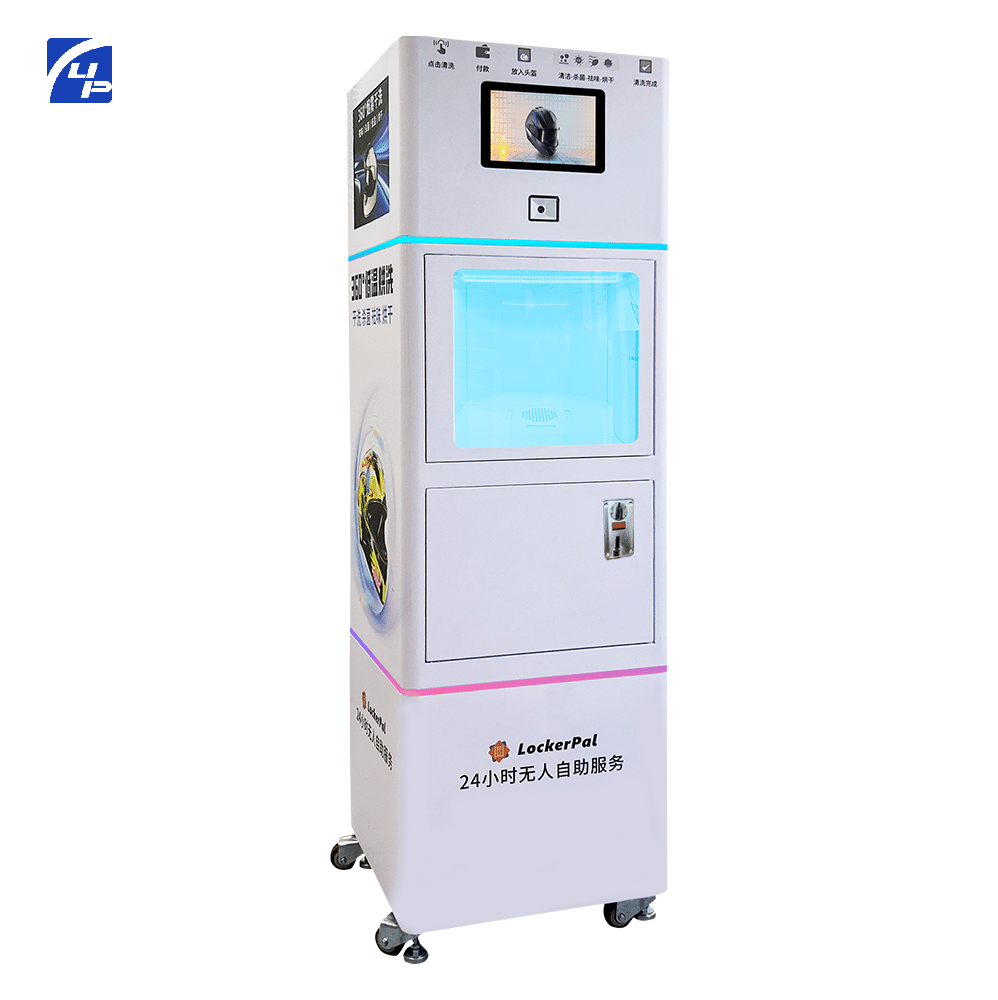
Automated helmet washing systems address these concerns through comprehensive cleaning cycles that include deodorization, sanitization, and proper drying sequences. The controlled environment within these machines ensures optimal cleaning conditions, including appropriate water temperature, detergent concentration, and cycle timing. This scientific approach to helmet maintenance significantly reduces the risk of cross-contamination between workers and helps prevent the development of unpleasant odors that can make protective equipment uncomfortable to wear.
The psychological impact of clean, fresh-smelling safety equipment should not be underestimated in its effect on worker compliance and morale. When employees know their protective gear is properly maintained, they are more likely to wear it consistently and correctly. This improved compliance translates directly into reduced accident rates and better overall safety performance for the organization.
Economic Advantages and Cost Effectiveness
Extended Equipment Lifespan
Industrial safety helmets represent a significant investment for most organizations, with high-quality protective equipment costing hundreds of dollars per unit when purchased in bulk. The improper cleaning and maintenance of these helmets can dramatically reduce their effective lifespan, leading to premature replacement costs that can strain safety budgets. Automated helmet washing machines help maximize the return on investment by ensuring that cleaning processes do not damage the helmet materials or compromise their structural integrity.
The gentle yet thorough cleaning action of specialized helmet washing equipment removes contaminants without subjecting the protective gear to harsh scrubbing or aggressive chemicals that can degrade plastic components or compromise safety certifications. Many manual cleaning approaches inadvertently damage helmet surfaces, create stress points in the material, or use cleaning agents that can weaken the protective properties of the equipment over time.
Professional-grade helmet washing machines are engineered to work within the manufacturer specifications for cleaning and maintenance, ensuring that warranty coverage remains intact and safety certifications are not compromised. This attention to proper maintenance protocols helps organizations avoid the costs associated with premature equipment replacement while maintaining the highest levels of worker protection.
Operational Efficiency and Labor Savings
The labor costs associated with manual helmet cleaning can quickly accumulate in large industrial facilities where hundreds or thousands of helmets require regular maintenance. Traditional cleaning approaches often require dedicated staff time, specialized cleaning supplies, and adequate drying facilities, all of which represent ongoing operational expenses. Automated helmet washing systems can process multiple helmets simultaneously while requiring minimal supervision, significantly reducing the labor burden on maintenance personnel.
The time savings generated by automated systems allow maintenance staff to focus on other critical safety and operational tasks rather than spending hours on repetitive cleaning procedures. This reallocation of human resources often results in improved overall facility maintenance and enhanced safety program effectiveness. The consistency and reliability of automated systems also reduce the need for quality control inspections and rework that may be necessary with manual cleaning processes.
Many modern helmet washing machines feature programmable cycles and remote monitoring capabilities that allow facilities to optimize cleaning schedules around operational needs. This flexibility helps minimize disruptions to production activities while ensuring that clean equipment is always available when needed. The ability to process helmets during off-hours or low-activity periods maximizes operational efficiency and reduces conflicts between cleaning requirements and production schedules.
Technology Integration and Smart Features
Advanced Cleaning Technologies
Contemporary helmet washing machine designs incorporate sophisticated cleaning technologies that go far beyond simple washing and rinsing cycles. These systems often feature multiple cleaning phases, including pre-treatment for stubborn contaminants, intensive washing with specialized detergents, thorough rinsing to remove all cleaning residues, and controlled drying cycles that prevent moisture-related issues. Some advanced models also include ultraviolet sanitization or ozone treatment capabilities for enhanced microbial control.
The integration of sensors and monitoring systems allows these machines to automatically adjust cleaning parameters based on contamination levels, helmet materials, and environmental conditions. This intelligent adaptation ensures optimal cleaning results while minimizing resource consumption and processing time. Advanced filtration systems within the machines help maintain water quality throughout the cleaning process and enable water recycling for environmental sustainability.
Temperature control systems ensure that cleaning water reaches optimal levels for effective sanitization without damaging sensitive helmet components. Precise chemical dosing systems maintain appropriate detergent concentrations throughout the cleaning cycle, ensuring consistent results regardless of load size or contamination levels. These technological refinements contribute to superior cleaning outcomes while maintaining equipment reliability and reducing operational complexity.
Connectivity and Data Management
Modern industrial facilities increasingly rely on connected equipment and data-driven decision making to optimize operations and maintain safety standards. Advanced helmet washing machines often feature network connectivity that enables remote monitoring, performance tracking, and predictive maintenance capabilities. This connectivity allows facility managers to monitor cleaning cycles, track equipment utilization, and identify potential issues before they impact operations.
Data collection capabilities enable organizations to maintain detailed records of cleaning activities, which can be valuable for safety audits, compliance reporting, and continuous improvement initiatives. The ability to track individual helmet cleaning histories helps identify equipment that may require replacement or additional attention. Integration with broader facility management systems allows for coordinated maintenance scheduling and resource allocation across multiple safety equipment categories.
Some systems incorporate user authentication features that ensure only authorized personnel can operate the equipment and track individual usage patterns. This capability can be particularly valuable in environments where equipment accountability is important or where different cleaning protocols may be required for different work areas or contamination risks.
Industry-Specific Applications
Manufacturing and Heavy Industry
Manufacturing environments present unique challenges for helmet maintenance due to the diverse range of contaminants that workers may encounter, including metal particles, industrial lubricants, chemical residues, and organic materials. Traditional cleaning methods often struggle to effectively remove these varied contaminants while maintaining the integrity of the protective equipment. Automated helmet washing systems designed for manufacturing applications typically incorporate specialized cleaning agents and extended cycle options to address these challenging conditions.
Heavy industry operations such as steel production, mining, and shipbuilding generate particularly demanding conditions for safety equipment maintenance. The combination of extreme temperatures, abrasive particles, and potentially hazardous chemicals requires robust cleaning solutions that can restore protective equipment to safe, comfortable conditions. Specialized helmet washing machines for these environments often feature enhanced filtration systems, corrosion-resistant components, and reinforced construction to withstand the demanding operational conditions.
The scale of helmet washing machine deployment in large manufacturing facilities can be substantial, with some operations requiring multiple units strategically positioned throughout the facility to minimize transportation time and ensure rapid availability of clean equipment. The ability to process large volumes of helmets efficiently becomes a critical factor in maintaining production schedules while ensuring adequate safety equipment availability for all workers.
Healthcare and Pharmaceutical Industries
Healthcare facilities and pharmaceutical manufacturing operations have particularly stringent requirements for equipment cleanliness and contamination control. These environments often require specialized cleaning protocols that exceed standard industrial cleaning standards, including validation of cleaning effectiveness and documentation of sanitization procedures. Helmet washing machines designed for these applications typically incorporate advanced monitoring systems, validated cleaning cycles, and comprehensive documentation capabilities.
The pharmaceutical industry's focus on preventing cross-contamination between different products or production areas makes automated cleaning systems particularly valuable. The ability to implement different cleaning protocols for different contamination risks, combined with thorough documentation of cleaning activities, helps pharmaceutical manufacturers maintain the strict quality standards required for their operations. Some systems designed for pharmaceutical applications include specialized features such as steam sanitization or chemical validation capabilities.
Healthcare facilities benefit from the infection control capabilities of automated helmet washing systems, particularly in areas where protective equipment may be exposed to biological hazards or infectious materials. The thorough sanitization provided by these systems helps prevent the spread of healthcare-associated infections while ensuring that protective equipment remains comfortable and effective for healthcare workers.
FAQ
How much maintenance do helmet washing machines require
Most modern helmet washing machines are designed for minimal maintenance requirements, typically needing only routine cleaning of filters, periodic replacement of consumables like detergents and sanitizing agents, and scheduled inspections of mechanical components. The frequency of maintenance activities depends on usage volume and environmental conditions, but most systems require only weekly basic maintenance and monthly detailed inspections. Proper maintenance helps ensure optimal cleaning performance and extends equipment lifespan significantly.
What types of helmets can be cleaned in these machines
Professional helmet washing machines are typically compatible with most standard industrial safety helmets, including hard hats, bump caps, and specialized protective helmets used in construction, manufacturing, and other industrial applications. However, certain specialty helmets with electronic components, leather elements, or specific material compositions may require alternative cleaning methods. It's important to consult equipment specifications and helmet manufacturer guidelines to ensure compatibility before processing any protective equipment.
How long does a typical cleaning cycle take
Standard cleaning cycles for helmet washing machines typically range from 15 to 45 minutes, depending on the contamination level, selected cleaning protocol, and specific equipment model. Express cycles for lightly soiled helmets may complete in as little as 10 minutes, while intensive cleaning cycles for heavily contaminated equipment can take up to an hour. The total time includes washing, rinsing, sanitization, and drying phases, with some systems offering multiple helmets processing simultaneously to improve throughput.
Are there any safety considerations when operating these machines
Helmet washing machines incorporate multiple safety features including automatic door locking during operation, emergency stop controls, and protective barriers to prevent contact with moving parts or heated surfaces. Operators should receive proper training on safe operation procedures, including proper loading techniques, chemical handling protocols, and emergency procedures. Regular safety inspections and adherence to manufacturer safety guidelines help ensure safe operation while maintaining optimal cleaning performance and equipment reliability.