 EN
EN
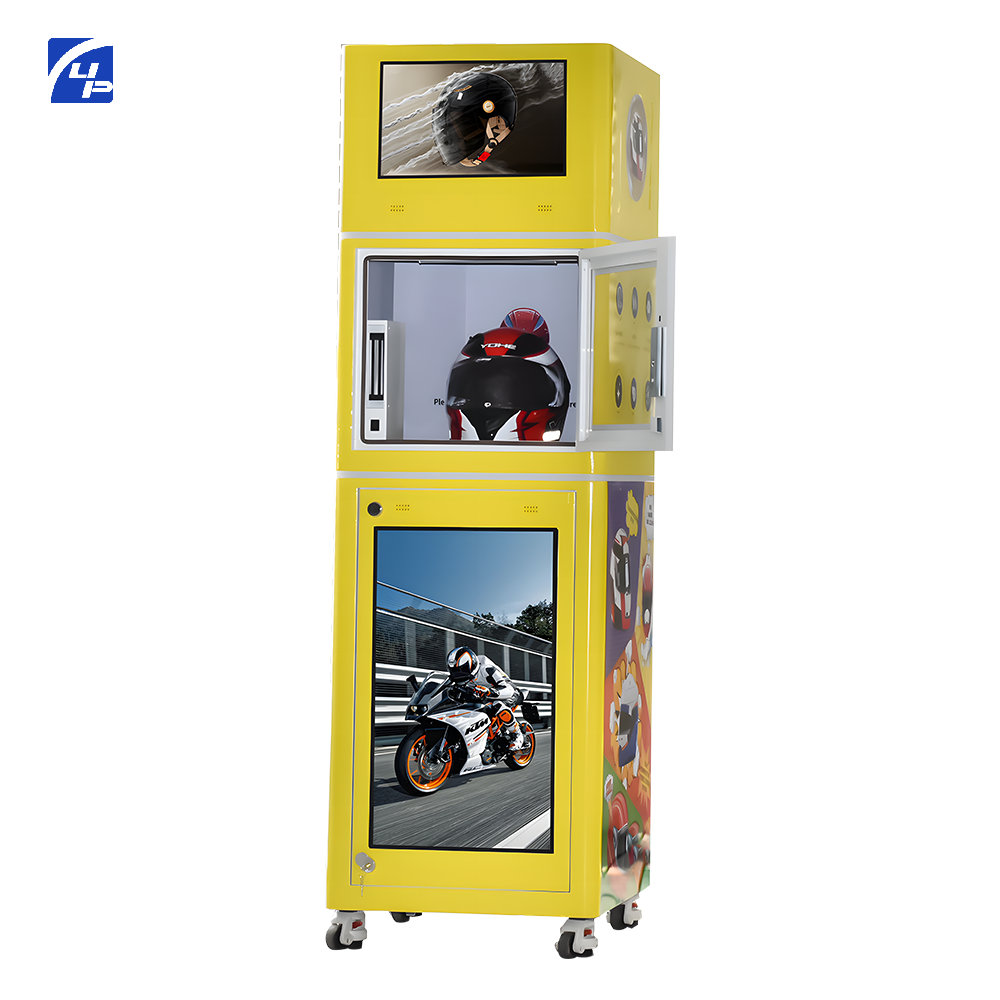
Shared rental gear presents significant hygiene challenges, particularly for items like helmets that come into direct contact with users' heads and hair. Traditional cleaning methods often fall short of eliminating bacteria, viruses, and odor-causing microorganisms that accumulate between rentals. A helmet cleaning machine equipped with UV sterilization technology addresses these concerns by providing comprehensive sanitization that goes beyond surface cleaning, ensuring rental equipment meets modern health and safety standards.
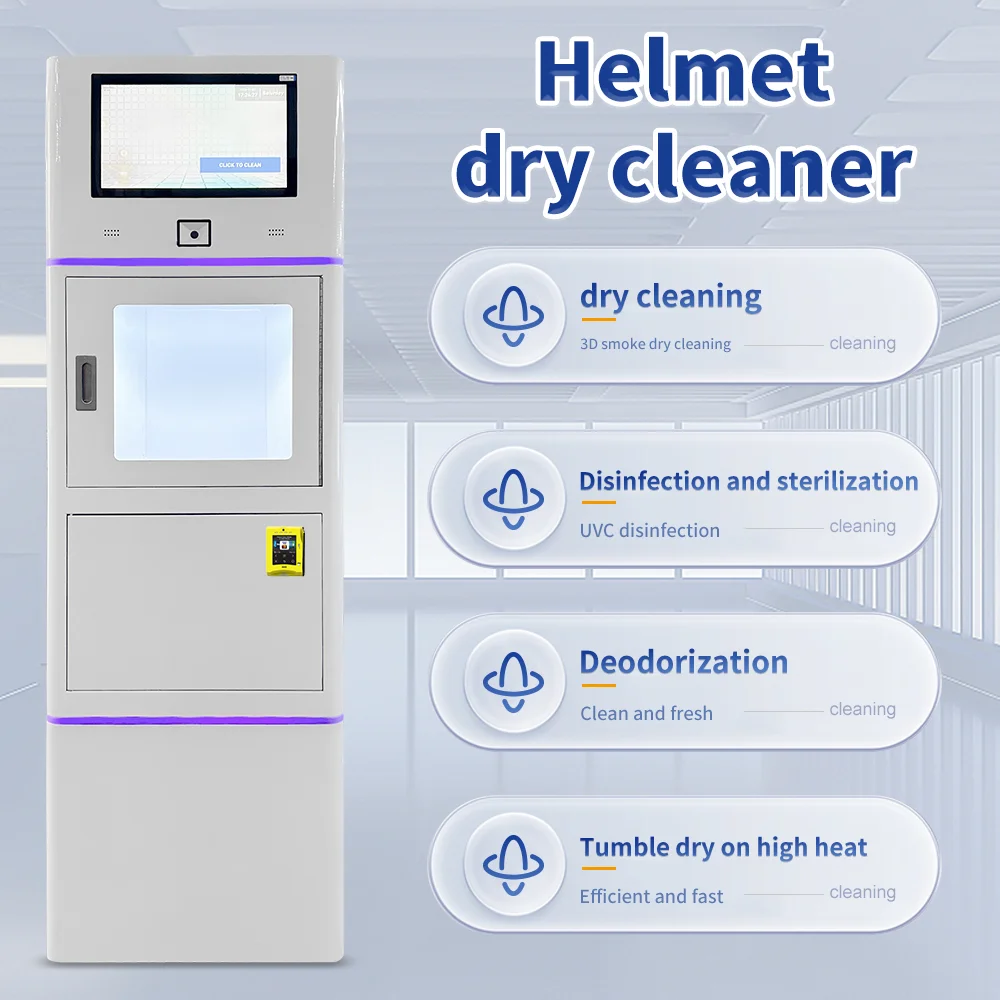
The integration of UV-C light technology in helmet cleaning systems represents a breakthrough in rental gear sanitation. This advanced approach not only removes visible contamination but also neutralizes microscopic pathogens that pose health risks to subsequent users. For rental businesses operating in environments where hygiene is paramount, understanding how these machines improve safety protocols is essential for maintaining customer trust and regulatory compliance.
UV Sterilization Technology in Helmet Cleaning Systems
Scientific Principles of UV-C Disinfection
UV-C light operates at wavelengths between 200-280 nanometers, specifically targeting the DNA and RNA structures of microorganisms. When a helmet cleaning machine exposes contaminated surfaces to UV-C radiation, it disrupts the genetic material of bacteria, viruses, and fungi, rendering them unable to reproduce or cause infection. This germicidal effect occurs without chemical residues, making it particularly suitable for equipment that comes into close contact with users' skin and breathing zones.
The effectiveness of UV sterilization depends on exposure time, light intensity, and proximity to contaminated surfaces. Modern helmet cleaning machines are engineered to deliver optimal UV-C dosage through strategic lamp placement and reflective chamber designs. This ensures comprehensive coverage of all helmet surfaces, including hard-to-reach areas like ventilation channels and padding interfaces where pathogens typically accumulate.
Research demonstrates that UV-C light can achieve 99.9% reduction in common pathogens within minutes of exposure. For rental operations, this level of disinfection provides confidence that each helmet meets stringent hygiene standards before being issued to the next customer. The speed of UV treatment also supports high-volume operations where rapid turnaround times are essential for business efficiency.
Integration with Physical Cleaning Mechanisms
A comprehensive helmet cleaning machine combines UV sterilization with other cleaning modalities to address both visible contamination and microscopic threats. Hot air circulation systems work in tandem with UV lights to remove moisture that could harbor bacterial growth while accelerating the drying process. This dual-action approach ensures helmets are not only sanitized but also ready for immediate use.
Advanced systems incorporate ozone generation capabilities that complement UV disinfection by penetrating porous materials and eliminating odor-causing compounds. The combination of UV light and ozone creates a hostile environment for microorganisms while breaking down organic residues that contribute to unpleasant smells. This multi-layered approach addresses the complete spectrum of hygiene concerns associated with shared helmet use.
Temperature control mechanisms ensure that the cleaning process does not damage helmet materials or compromise structural integrity. By maintaining optimal operating temperatures, these machines protect the investment in rental inventory while delivering superior sanitation results. The integration of multiple technologies in a single system streamlines operations and reduces the complexity of maintaining clean rental gear.
Hygiene Benefits for Shared Rental Operations
Pathogen Elimination and Cross-Contamination Prevention
The primary hygiene benefit of a helmet cleaning machine lies in its ability to break the chain of pathogen transmission between users. Traditional cleaning methods rely on chemical disinfectants that may not penetrate all surfaces or require extended contact times that are impractical in high-volume rental environments. UV sterilization provides immediate and thorough pathogen elimination without dependency on chemical efficacy or application technique.
Common pathogens found on shared helmets include staphylococcus bacteria, various fungi responsible for scalp infections, and respiratory viruses that pose particular concern in post-pandemic operations. A properly designed helmet cleaning machine with UV sterilization neutralizes these threats consistently, regardless of the initial contamination level. This reliability is crucial for rental businesses that cannot afford to compromise on customer safety.
Cross-contamination prevention extends beyond immediate health concerns to include long-term equipment preservation. By eliminating microorganisms that can degrade helmet materials over time, UV sterilization helps maintain the structural integrity and appearance of rental inventory. This dual benefit of hygiene improvement and asset protection makes the technology particularly valuable for businesses managing large helmet fleets.
Odor Control and Customer Experience Enhancement
Unpleasant odors in shared helmets significantly impact customer satisfaction and can drive business away from rental operations. A helmet cleaning machine addresses odor issues at their source by eliminating the bacteria and fungi responsible for decomposing organic matter that accumulates in helmet padding and ventilation systems. UV sterilization breaks down these odor-producing microorganisms, providing lasting freshness rather than temporary masking.
The psychological impact of receiving visibly and olfactorily clean equipment cannot be understated in rental operations. Customers associate cleanliness with quality and professionalism, making hygiene a critical factor in building brand reputation. When customers receive helmets that have undergone thorough UV sterilization, they experience greater confidence in the rental service and are more likely to return for future needs.
Advanced helmet cleaning machines incorporate air circulation systems that work alongside UV sterilization to remove residual moisture and ensure complete drying. This prevents the musty odors associated with damp equipment while creating an inhospitable environment for new microbial growth. The combination of sterilization and moisture control creates a comprehensive solution for maintaining consistently fresh rental gear.
Operational Efficiency and Compliance Benefits
Streamlined Cleaning Protocols
Implementing a helmet cleaning machine with UV sterilization dramatically simplifies hygiene protocols compared to manual cleaning methods. Staff members no longer need to apply various chemical disinfectants, monitor contact times, or ensure uniform coverage across all helmet surfaces. The automated nature of UV sterilization reduces human error and ensures consistent results regardless of operator experience or workload pressure.
The speed of UV sterilization enables rental operations to maintain faster turnaround times during peak periods. While traditional cleaning methods might require 10-15 minutes per helmet including drying time, a modern helmet cleaning machine can complete the entire sanitization process in 3-5 minutes. This efficiency improvement directly translates to increased revenue potential and better customer service during busy periods.
Documentation and traceability become more straightforward with automated cleaning systems that can log each cleaning cycle. This data provides valuable evidence of hygiene compliance for insurance purposes, regulatory inspections, and internal quality assurance programs. The ability to demonstrate consistent cleaning protocols helps protect businesses from liability concerns while supporting continuous improvement initiatives.
Regulatory Compliance and Risk Management
Many jurisdictions are implementing stricter hygiene requirements for shared equipment rental operations, particularly in response to increased awareness of infectious disease transmission. A helmet cleaning machine with proven UV sterilization capabilities helps businesses stay ahead of evolving regulations while demonstrating proactive commitment to customer safety. This positioning can provide competitive advantages and reduce regulatory compliance risks.
Insurance considerations increasingly factor in hygiene protocols when assessing liability coverage for rental operations. Companies that implement advanced sanitization technologies like UV sterilization may qualify for reduced premiums or enhanced coverage options. The documented effectiveness of UV disinfection provides insurers with confidence in the risk mitigation measures employed by the rental business.
Legal protection benefits extend beyond regulatory compliance to include defense against potential liability claims. When businesses can demonstrate the use of scientifically proven sterilization methods, they establish a strong foundation for defending against allegations of inadequate hygiene practices. This protection becomes increasingly valuable as public awareness of hygiene issues continues to grow.
Cost-Effectiveness and Return on Investment
Operational Cost Reduction
While the initial investment in a helmet cleaning machine represents a significant capital expenditure, the long-term operational savings often justify the cost within the first year of implementation. Elimination of chemical disinfectants reduces ongoing supply costs while decreasing the labor hours required for manual cleaning processes. These savings compound over time, particularly for high-volume rental operations.
Energy efficiency improvements in modern UV sterilization systems minimize electrical operating costs compared to earlier technologies. Advanced LED-based UV-C systems consume significantly less power than traditional mercury vapor lamps while providing superior disinfection performance. This efficiency improvement reduces the environmental impact of operations while controlling utility expenses.
Reduced helmet replacement frequency represents another significant cost benefit of effective sterilization. By preventing microbial degradation and maintaining equipment condition, UV cleaning extends the useful life of rental inventory. This preservation of asset value helps offset the initial investment in cleaning equipment while reducing ongoing capital requirements for fleet replacement.
Revenue Enhancement Opportunities
The ability to market superior hygiene standards provides opportunities for premium pricing in competitive rental markets. Customers increasingly value safety and cleanliness, particularly for equipment that comes into close contact with their bodies. Businesses that can demonstrate advanced sanitization capabilities may command higher rental rates or capture market share from competitors with less sophisticated cleaning protocols.
Customer retention rates typically improve when rental operations implement visible hygiene improvements. The confidence that comes from receiving properly sanitized equipment encourages repeat business and positive word-of-mouth recommendations. These relationship benefits compound over time, creating sustainable competitive advantages that justify the investment in advanced cleaning technology.
Partnership opportunities with health-conscious organizations and institutions become more accessible when businesses can document their commitment to hygiene excellence. Schools, healthcare facilities, and corporate clients increasingly scrutinize the safety protocols of their service providers. A helmet cleaning machine with UV sterilization capabilities opens doors to these premium market segments.
FAQ
How long does UV sterilization take in a helmet cleaning machine?
Most modern helmet cleaning machines complete the UV sterilization process in 3-5 minutes, including both disinfection and drying phases. This rapid cycle time allows rental operations to maintain efficient turnaround during busy periods while ensuring thorough sanitization. The exact duration depends on the specific machine design and the level of sterilization required for the application.
Is UV sterilization safe for all helmet materials and components?
UV-C light is generally safe for helmet shells, padding, and straps when exposure times are properly controlled. Quality helmet cleaning machines are designed to provide effective sterilization without damaging common helmet materials like polycarbonate, ABS plastic, or fabric components. However, it's important to follow manufacturer guidelines and consider material compatibility when selecting a cleaning system.
What maintenance is required for UV sterilization equipment?
Regular maintenance includes cleaning UV lamp surfaces to ensure optimal light transmission, replacing UV bulbs according to manufacturer schedules (typically every 8,000-12,000 hours), and calibrating sensors that monitor sterilization effectiveness. Most systems include automated alerts for maintenance requirements, making it easy for operators to maintain peak performance.
Can a helmet cleaning machine handle different helmet sizes and styles?
Professional helmet cleaning machines are designed with adjustable racks and flexible positioning systems to accommodate various helmet sizes and configurations. This versatility allows rental operations to service different helmet types including motorcycle, bicycle, construction, and sports helmets using the same equipment. The UV sterilization process is effective regardless of helmet style, as long as proper exposure is achieved.