 EN
EN
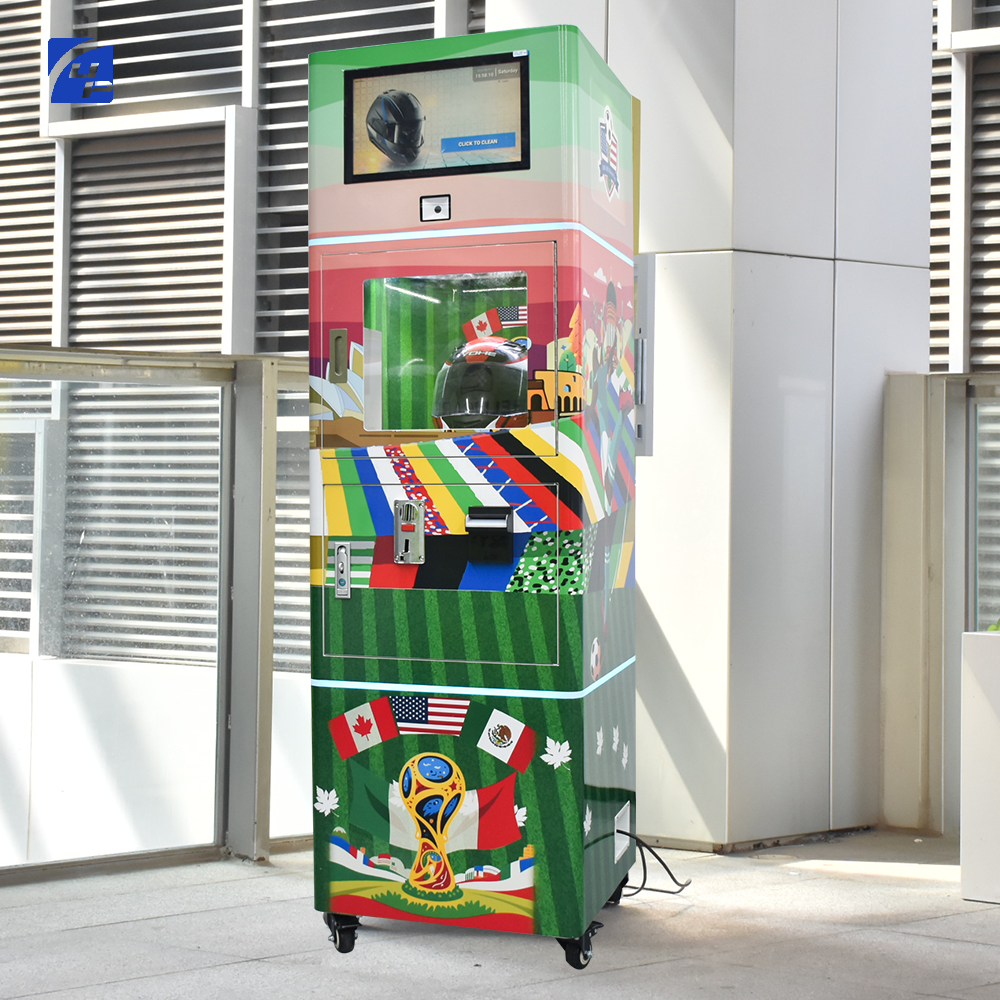
Moisture trapped inside helmet padding can lead to bacterial growth, material degradation, and permanent damage to the protective foam structure. A properly designed drying system in a helmet cleaning machine addresses this critical concern by ensuring complete moisture evacuation from all interior surfaces and padding materials.
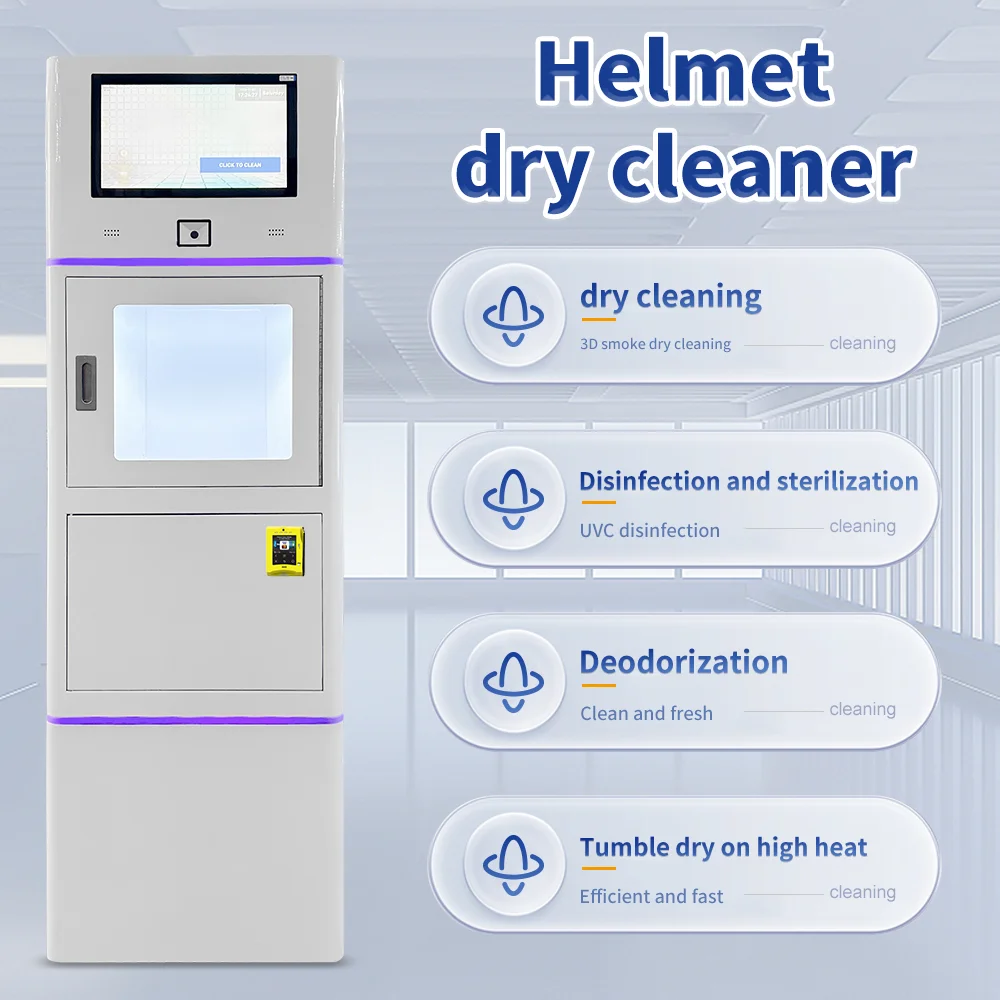
The most effective helmet cleaning machine incorporates a 360-degree hot air circulation system that penetrates deep into padding layers while maintaining temperatures that preserve material integrity. This comprehensive approach ensures thorough moisture removal without compromising the protective properties of helmet components.
Hot Air Circulation Technology in Helmet Cleaning Systems
Multi-Directional Air Flow Mechanism
Professional helmet cleaning machine designs utilize strategically positioned air vents that create omnidirectional airflow patterns. This system ensures heated air reaches every interior surface, including hard-to-access areas behind ear padding and crown cushions. The circulation mechanism prevents moisture pockets from forming in areas where traditional drying methods fail to penetrate.
The effectiveness of this approach lies in its ability to maintain consistent air movement throughout the drying cycle. Unlike static heating elements, circulation-based systems in a helmet cleaning machine create positive air pressure that forces moisture-laden air out while drawing dry, heated air into padding materials. This continuous exchange prevents condensation buildup that could otherwise damage foam structures.
Temperature Control for Material Preservation
Advanced helmet cleaning machine models incorporate precise temperature regulation to protect sensitive padding materials from heat damage. The optimal temperature range typically falls between 40-60°C, providing sufficient heat for moisture evaporation while remaining below the thermal degradation threshold of most helmet padding materials.
This controlled heating approach prevents the shrinkage, hardening, or chemical breakdown that can occur when helmet interiors are exposed to excessive temperatures. The helmet cleaning machine monitoring system continuously adjusts heat output based on internal humidity levels, ensuring thorough drying without compromising material properties.
Ventilation Design for Complete Moisture Evacuation
Exhaust Port Configuration
Effective moisture removal in a helmet cleaning machine requires strategically placed exhaust ports that facilitate humid air evacuation. These ports are typically positioned at multiple levels to accommodate different helmet designs and ensure complete air circulation throughout the cleaning chamber.
The exhaust system works in conjunction with intake vents to create a positive pressure differential that drives moisture out of padding materials. This design prevents humid air from recirculating within the helmet cleaning machine chamber, which could lead to incomplete drying or moisture redistribution to previously dried areas.
Air Filter Integration
Modern helmet cleaning machine systems incorporate high-efficiency particulate filters that remove contaminants from circulating air while maintaining optimal airflow rates. These filters prevent dust, bacteria, and other particles from being introduced into helmet interiors during the drying process.
The filtration component of a helmet cleaning machine serves dual purposes: maintaining air quality and preventing filter clogging that could reduce drying efficiency. Regular filter maintenance ensures consistent performance and prevents moisture retention that could occur from restricted airflow.
Timer Controls and Moisture Detection Systems
Automated Cycle Management
Professional helmet cleaning machine units feature programmable timer controls that allow operators to set appropriate drying durations based on helmet type and moisture levels. These systems typically offer preset cycles for different helmet categories, ensuring optimal drying times without over-exposure to heat.
The timer functionality in a helmet cleaning machine prevents both under-drying and excessive heat exposure. Typical drying cycles range from 15-45 minutes depending on initial moisture content and padding thickness. This automated approach eliminates guesswork and ensures consistent results across multiple cleaning cycles.
Humidity Monitoring Technology
Advanced helmet cleaning machine models incorporate humidity sensors that monitor moisture levels throughout the drying cycle. These sensors provide real-time feedback to the control system, allowing for automatic cycle adjustments based on actual drying progress rather than preset time intervals.
The humidity detection capability enables a helmet cleaning machine to optimize drying efficiency while preventing overdrying that could damage padding materials. When moisture levels drop below predetermined thresholds, the system automatically reduces heat output or terminates the cycle to preserve material integrity.
UV-C Integration for Sanitization During Drying
Germicidal Effectiveness
Many modern helmet cleaning machine designs incorporate UV-C sterilization technology that operates simultaneously with the drying process. This integration ensures that bacterial and viral contaminants are eliminated while moisture is being removed, providing comprehensive helmet sanitization in a single cycle.
The UV-C component of a helmet cleaning machine targets microorganisms that thrive in moist environments, effectively preventing their proliferation during the drying process. This dual-action approach addresses both moisture-related damage and biological contamination concerns in a single treatment cycle.
Safety Protocols for UV Exposure
Professional helmet cleaning machine systems incorporate safety interlocks that prevent UV-C exposure when the chamber door is open. These safety features ensure operator protection while maintaining the effectiveness of the sterilization process during normal operation.
The UV-C safety systems in a helmet cleaning machine typically include door sensors, automatic shutoff mechanisms, and indicator lights that clearly show when sterilization cycles are active. These features prevent accidental exposure while maintaining the integrity of the sanitization process.
FAQ
How long does the drying cycle take in a helmet cleaning machine?
Typical drying cycles in a helmet cleaning machine range from 15 to 45 minutes, depending on initial moisture levels, padding thickness, and helmet design. Advanced models with humidity sensors can automatically adjust cycle times based on real-time moisture detection, ensuring optimal drying without overdrying.
What temperature range is safe for helmet padding materials?
Most helmet cleaning machine systems operate between 40-60°C to ensure effective moisture removal while preserving padding integrity. This temperature range provides sufficient heat for evaporation without causing thermal damage to foam structures or adhesive bonds in helmet interiors.
Can the drying system handle all types of helmet padding?
Professional helmet cleaning machine designs accommodate various padding materials including foam, fabric, and synthetic cushioning systems. The adjustable temperature and airflow controls allow operators to customize drying parameters for different helmet types and padding configurations.
How does the system prevent mold growth during storage?
A properly functioning helmet cleaning machine ensures complete moisture removal from all interior surfaces, eliminating the humid conditions that promote mold growth. The combination of heat, airflow, and UV-C sterilization creates an environment hostile to fungal development while thoroughly drying padding materials.