 EN
EN
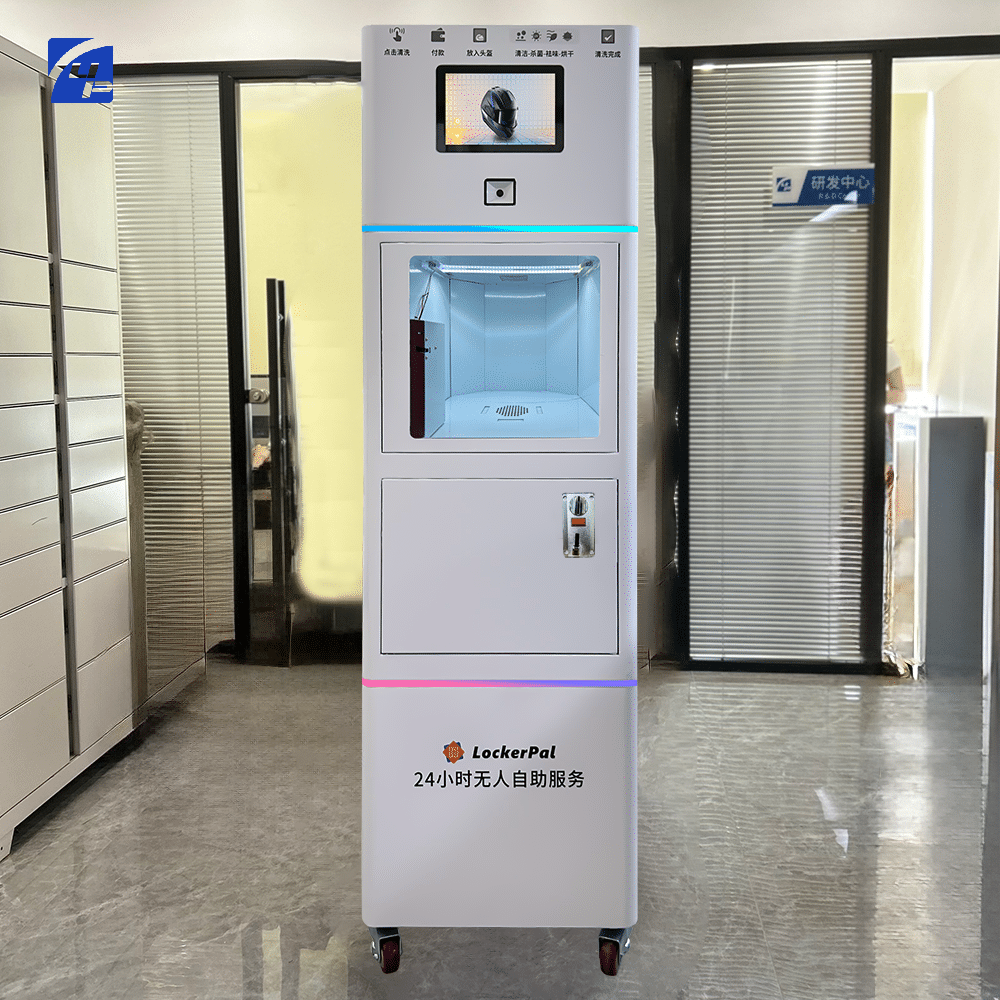
Modern industrial safety and sports equipment maintenance has evolved significantly with the introduction of specialized cleaning technologies. A helmet washing machine represents a breakthrough in automated sanitization, designed to address the unique challenges of cleaning various helmet types while maintaining their structural integrity and safety certifications. These sophisticated systems combine advanced washing mechanisms with precise temperature control and specialized drying features to deliver consistent, professional-grade cleaning results across multiple helmet categories.
The versatility of contemporary helmet cleaning systems stems from their ability to accommodate different materials, sizes, and construction methods found in protective headgear. Whether processing hard hats from construction sites, motorcycle helmets with complex ventilation systems, or sports helmets with removable padding, these machines adapt their cleaning protocols to ensure optimal results without compromising safety standards. Understanding how these systems handle various helmet types is crucial for organizations seeking efficient, reliable sanitization solutions for their protective equipment inventory.
Understanding Helmet Material Compatibility
Polymer and Composite Shell Processing
Different helmet materials require specific cleaning approaches to prevent damage while ensuring thorough sanitization. Polycarbonate shells, commonly found in industrial safety helmets, respond well to moderate temperature washing cycles with specialized detergents that remove oils and contaminants without causing stress cracking. The helmet washing machine automatically adjusts water temperature and chemical concentration based on detected material properties, ensuring optimal cleaning without compromising structural integrity.
Fiberglass composite helmets, prevalent in motorsports and aviation applications, require gentler handling due to their layered construction. Advanced cleaning systems utilize ultrasonic technology combined with specialized surfactants to penetrate surface contaminants while preserving the resin matrix that provides impact protection. Temperature sensors monitor thermal expansion during the cleaning process, preventing delamination or micro-cracking that could compromise safety performance.
Carbon Fiber and Advanced Composite Handling
High-performance carbon fiber helmets present unique challenges due to their expensive construction and sensitivity to certain cleaning chemicals. Modern washing systems incorporate material recognition technology that identifies carbon fiber construction and automatically selects appropriate cleaning protocols. These specialized cycles utilize pH-neutral detergents and controlled agitation to remove contaminants without affecting the carbon fiber weave or compromising the protective clear coat finish.
The cleaning process for advanced composites includes pre-treatment analysis where sensors detect any existing damage or wear patterns. This information guides the selection of cleaning intensity and duration, ensuring that helmets with minor scratches or aging receive appropriate care that prevents further deterioration while achieving thorough sanitization.
Size and Configuration Adaptability
Adjustable Chamber Systems
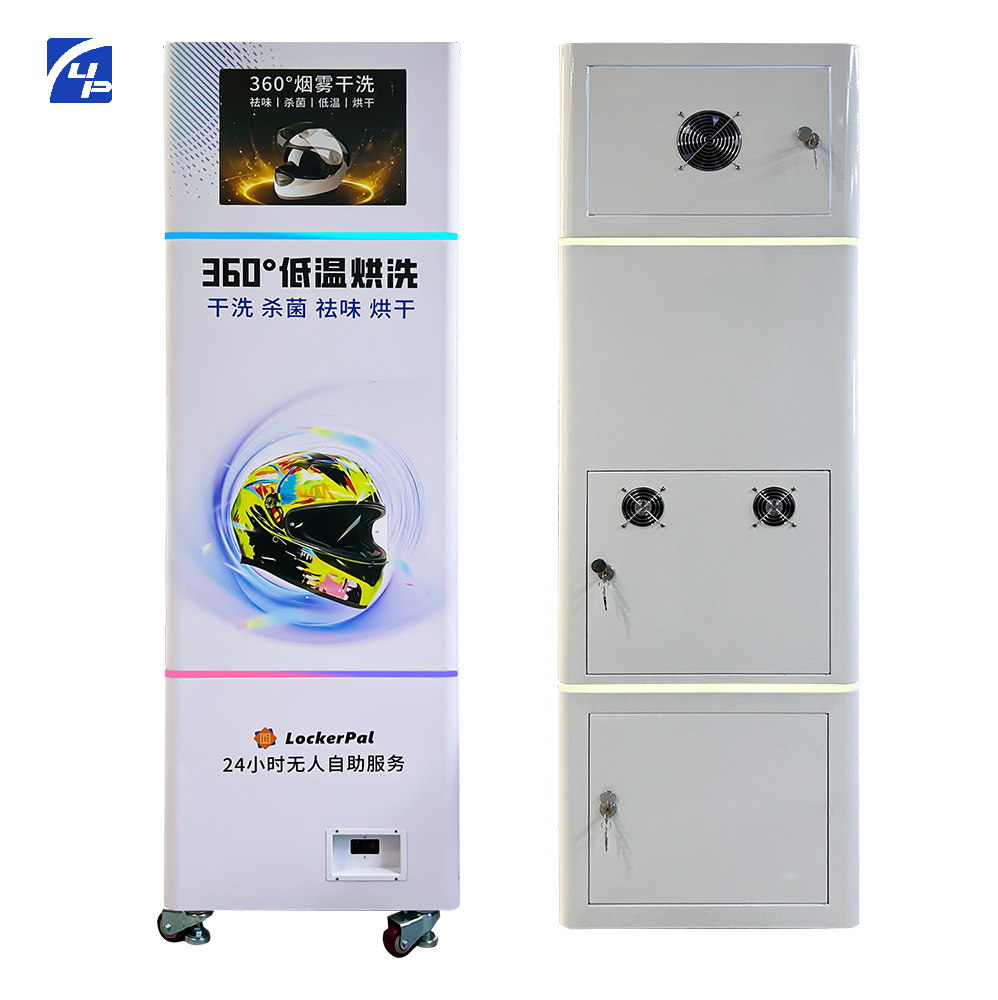
Professional helmet cleaning equipment features modular chamber designs that accommodate various helmet sizes and configurations without requiring manual adjustments. Hydraulic positioning systems automatically detect helmet dimensions and adjust internal fixtures to secure each unit properly during the cleaning cycle. This automated sizing capability ensures consistent cleaning coverage while preventing movement that could cause damage during wash and rinse phases.
The chamber system incorporates flexible mounting arms that conform to different helmet shapes, from compact bicycle helmets to large industrial hard hats with extended brims. Pressure sensors monitor contact points to ensure secure positioning without applying excessive force that might deform softer materials or damage attachment points for accessories like face shields or communication equipment.
Multi-Helmet Batch Processing
Efficiency considerations drive the development of batch processing capabilities that allow simultaneous cleaning of multiple helmet types within a single cycle. Intelligent sorting algorithms analyze helmet characteristics and group compatible units together, optimizing cleaning parameters for the entire batch while maintaining individual care requirements. This approach significantly reduces processing time while ensuring each helmet receives appropriate treatment based on its specific materials and construction.
Variable rack systems accommodate different helmet quantities and sizes within the same processing chamber, maximizing throughput for organizations with diverse helmet inventories. Automated loading mechanisms position helmets at optimal angles for cleaning solution access while preventing contact between units that might cause scratching or other damage during the cleaning process.
Specialized Cleaning Protocols
Sports Helmet Processing
Sports helmets require specialized attention due to their complex internal padding systems and ventilation channels that trap moisture and bacteria. Advanced cleaning systems incorporate steam sterilization combined with targeted spray nozzles that reach deep into ventilation ports and padding interfaces. The process includes pre-treatment phases where removable components are separated and cleaned individually using appropriate methods for different materials.
Football and hockey helmets with extensive face guard systems receive customized cleaning protocols that address both the shell and protective cage assemblies. Specialized brushes and high-pressure rinse systems remove debris from joints and connection points while ultrasonic cleaning targets areas where traditional washing methods cannot reach effectively. Temperature monitoring ensures that cleaning heat does not affect padding adhesives or impact-absorbing foam structures.
Industrial Safety Helmet Maintenance
Industrial environments expose safety helmets to various contaminants including oils, chemicals, and particulate matter that require aggressive cleaning approaches. Professional washing systems incorporate multi-stage decontamination processes that begin with solvent pre-treatment to dissolve hydrocarbon residues, followed by alkaline washing to neutralize chemical contaminants, and concluding with thorough rinsing to remove all cleaning agents.
Hard hat suspension systems receive particular attention during industrial helmet cleaning, as these components directly affect fit and safety performance. Automated disassembly features allow suspension systems to be removed and cleaned separately using appropriate methods that preserve elastic properties and adjustment mechanisms while ensuring complete sanitization of all contact surfaces.
Advanced Sterilization Features
UV-C Disinfection Integration
Modern helmet cleaning systems incorporate UV-C sterilization technology to eliminate pathogens that survive traditional washing processes. Specially designed UV chambers expose all helmet surfaces to germicidal ultraviolet light while protecting materials that might degrade under prolonged UV exposure. Automated rotation systems ensure complete coverage of complex helmet geometries, including internal surfaces and ventilation channels where bacteria commonly accumulate.
The UV sterilization process includes material-specific exposure protocols that deliver effective pathogen elimination while preventing UV-induced degradation of polymer components. Advanced systems monitor UV intensity and exposure duration for each helmet type, automatically adjusting parameters based on material composition and contamination levels detected during pre-processing analysis.
Ozone Treatment Capabilities
Ozone sterilization provides an additional layer of pathogen control particularly effective against viruses and drug-resistant bacteria that may survive other treatment methods. Controlled ozone exposure eliminates odor-causing bacteria while penetrating porous materials and reaching areas inaccessible to liquid cleaning agents. The process includes automated ozone concentration monitoring and neutralization systems that ensure safe operation and prevent material damage from excessive exposure.
Specialized ventilation systems manage ozone distribution and removal, ensuring complete treatment coverage while maintaining operator safety. Post-treatment monitoring verifies complete ozone dissipation before helmet removal, preventing exposure risks while confirming successful sterilization of all processed equipment.
Drying and Finishing Processes
Controlled Drying Systems
Proper drying is crucial for maintaining helmet integrity and preventing moisture-related deterioration or bacterial growth. Advanced drying systems utilize controlled airflow and temperature regulation to remove moisture without causing thermal stress or warping. Multi-zone drying chambers accommodate different helmet materials with varying thermal sensitivities, ensuring optimal drying conditions for each unit processed.
The drying process includes humidity monitoring and moisture detection systems that verify complete drying before cycle completion. Specialized air circulation patterns ensure thorough moisture removal from ventilation channels and padding interfaces while preventing condensation that might compromise cleaning effectiveness or promote bacterial growth during storage.
Quality Verification and Inspection
Automated quality control systems inspect cleaned helmets for residual contamination, cleaning agent residue, and potential damage that might affect safety performance. Optical scanning technology detects surface defects, wear patterns, and cleaning effectiveness while documenting results for compliance reporting and maintenance tracking. This verification process ensures that only properly cleaned and undamaged helmets return to service.
Final inspection includes functionality testing of adjustable components, ventilation systems, and attachment mechanisms to verify that cleaning processes have not affected operational performance. Automated sorting systems separate helmets requiring additional treatment or replacement, maintaining quality standards while maximizing equipment utilization efficiency.
FAQ
Can helmet washing machines clean helmets with electronic components?
Yes, modern helmet washing systems can safely process helmets with integrated electronics by utilizing specialized cleaning protocols that protect sensitive components. These systems include moisture barriers and targeted cleaning zones that avoid electronic assemblies while thoroughly sanitizing other helmet areas. Removable electronic components are typically processed separately using appropriate methods that prevent water damage while ensuring complete decontamination.
How long does a typical helmet cleaning cycle take?
A complete helmet cleaning cycle typically requires 45-90 minutes depending on helmet type, contamination level, and selected cleaning protocols. This timeframe includes pre-treatment analysis, washing phases, sterilization treatment, drying, and quality verification. Batch processing capabilities allow multiple helmets to be cleaned simultaneously, significantly improving efficiency for organizations with large helmet inventories.
What maintenance requirements do helmet washing machines have?
Regular maintenance includes daily cleaning of filters and spray nozzles, weekly calibration of sensors and monitoring systems, and monthly inspection of mechanical components and seals. Professional service intervals typically occur quarterly or semi-annually depending on usage volume, involving comprehensive system diagnostics, replacement of wear components, and verification of cleaning effectiveness through standardized testing protocols.
Are helmet washing machines suitable for all helmet certifications?
Professional helmet washing systems are designed to maintain compliance with major safety certifications including ANSI, CE, DOT, and Snell standards by utilizing cleaning methods that do not compromise structural integrity or safety performance. Specialized protocols for different certification categories ensure that cleaning processes meet manufacturer requirements while maintaining helmet effectiveness and warranty coverage.