 EN
EN
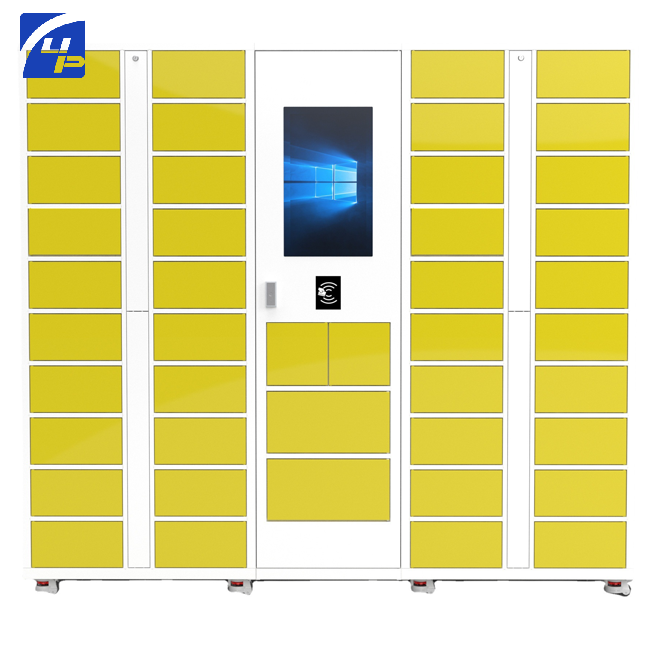
Enterprise asset security has become a critical concern for organizations managing valuable equipment, tools, and sensitive materials. Traditional storage methods often fall short of providing the comprehensive protection and accountability that modern businesses require. Smart storage lockers represent a revolutionary approach to asset management, combining advanced technology with robust security features to create an integrated solution that addresses these challenges effectively.
The implementation of intelligent storage systems has transformed how enterprises approach asset protection, offering unprecedented levels of control, monitoring, and accountability. These sophisticated systems go beyond simple lock-and-key mechanisms, incorporating cutting-edge technologies such as RFID tracking, biometric authentication, and real-time monitoring capabilities. As organizations continue to face increasing security threats and regulatory compliance requirements, the adoption of smart storage solutions has become not just beneficial but essential for maintaining operational integrity and protecting valuable resources.
Advanced Authentication and Access Control Systems
Multi-Factor Authentication Technologies
Modern smart storage lockers employ sophisticated multi-factor authentication systems that significantly enhance security compared to traditional storage methods. These systems typically combine multiple identification methods such as RFID cards, biometric scanners, PIN codes, and mobile app authentication to ensure that only authorized personnel can access stored assets. The layered approach to authentication creates multiple security barriers that are extremely difficult for unauthorized individuals to bypass.
Biometric authentication represents one of the most secure forms of access control available in contemporary storage solutions. Fingerprint scanners, facial recognition systems, and iris scanners provide unique biological identifiers that cannot be easily replicated or stolen. When integrated with other authentication methods, biometric systems create an virtually impenetrable security framework that ensures asset protection while maintaining user convenience.
The integration of mobile device authentication adds another layer of security while improving user experience. Employees can use their smartphones as digital keys, receiving encrypted access codes or utilizing near-field communication technology to unlock storage compartments. This approach not only enhances security but also provides administrators with detailed access logs and the ability to remotely grant or revoke permissions as needed.
Role-Based Access Management
Smart storage lockers excel in implementing granular role-based access control systems that allow organizations to define specific access privileges for different user groups. Administrators can configure access permissions based on job roles, security clearance levels, project requirements, or departmental needs. This targeted approach ensures that employees only have access to the assets they require for their specific responsibilities, minimizing the risk of unauthorized usage or theft.
The system maintains detailed user profiles that include access history, current permissions, and activity logs. This comprehensive user management capability allows security administrators to quickly identify potential security breaches, track asset usage patterns, and generate compliance reports. The ability to instantly modify or revoke access permissions provides organizations with dynamic security control that can adapt to changing personnel and project requirements.
Time-based access restrictions further enhance security by limiting when specific users can access stored assets. Organizations can configure access windows that align with work shifts, project timelines, or security protocols. This temporal control prevents after-hours access by unauthorized personnel and helps maintain strict custody chains for sensitive materials and equipment.
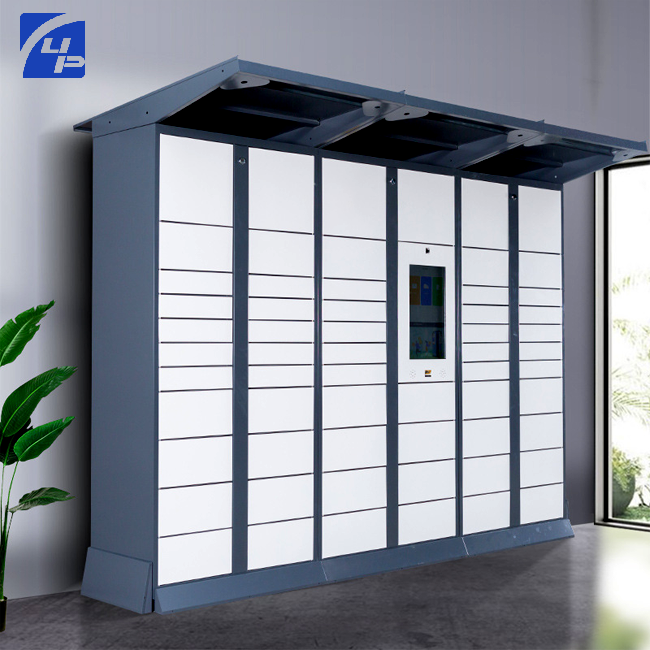
Real-Time Monitoring and Tracking Capabilities
RFID and IoT Integration
The incorporation of Radio Frequency Identification technology and Internet of Things connectivity enables smart storage lockers to provide unprecedented visibility into asset location and status. Each stored item can be tagged with RFID chips that communicate with the locker system, providing real-time information about inventory levels, item locations, and movement patterns. This technology eliminates the guesswork associated with traditional asset tracking and provides administrators with instant access to comprehensive inventory data.
IoT sensors integrated throughout the storage system continuously monitor environmental conditions, security status, and system health. These sensors can detect unauthorized access attempts, environmental changes that might damage stored assets, and potential system malfunctions before they become critical issues. The continuous monitoring capability ensures that any security threats or operational issues are identified and addressed immediately.
The combination of RFID and IoT technologies creates a comprehensive tracking ecosystem that extends beyond the physical boundaries of the storage locker. Organizations can monitor asset usage throughout their facilities, tracking items from storage to deployment and back again. This end-to-end visibility enhances accountability and helps prevent asset loss or misuse.
Automated Alerts and Notifications
Intelligent alert systems built into smart storage lockers provide immediate notifications when security events or unusual activities occur. These systems can detect and report unauthorized access attempts, missing assets, environmental anomalies, and system malfunctions in real-time. Administrators receive instant notifications through multiple channels including email, SMS, mobile apps, and dashboard alerts, ensuring rapid response to potential security threats.
Customizable alert thresholds allow organizations to fine-tune their monitoring systems based on specific security requirements and risk tolerance levels. Different types of assets can have different alert parameters, with high-value or sensitive items receiving more stringent monitoring than standard equipment. This flexible approach ensures that security resources are allocated efficiently while maintaining appropriate protection levels for all stored assets.
Predictive analytics capabilities enable the system to identify potential security risks before they materialize into actual threats. By analyzing usage patterns, access histories, and environmental data, the system can flag unusual activities or conditions that might indicate security vulnerabilities. This proactive approach to security management helps organizations prevent incidents rather than simply responding to them after they occur.
Inventory Management and Asset Accountability
Automated Check-In and Check-Out Procedures
Smart storage lockers revolutionize asset management through automated check-in and check-out procedures that eliminate manual processes and reduce human error. When employees access the system, they are presented with digital interfaces that guide them through proper asset retrieval or return procedures. The system automatically records who accessed what assets, when they were taken, and when they were returned, creating detailed audit trails that enhance accountability.
Automated procedures include verification steps that ensure the correct assets are being retrieved and that all required safety or compliance protocols are followed. The system can prompt users to confirm asset condition, verify calibration dates for precision tools, or acknowledge safety requirements before completing transactions. This guided process reduces the likelihood of errors while ensuring that all necessary protocols are followed consistently.
Integration with enterprise resource planning systems allows smart storage lockers to coordinate with broader organizational workflows and inventory management processes. Asset transactions are automatically recorded in corporate databases, updating inventory levels, maintenance schedules, and cost allocation records in real-time. This seamless integration eliminates duplicate data entry and ensures that asset information remains accurate and up-to-date across all organizational systems.
Loss Prevention and Recovery
Advanced loss prevention features built into smart storage systems help organizations minimize asset shrinkage and unauthorized usage. The system maintains comprehensive records of all asset movements, making it easy to identify when items go missing and who was responsible for their custody. This detailed tracking capability serves as both a deterrent to theft and a valuable tool for investigating losses when they occur.
Automated reconciliation processes compare physical inventory with system records on a regular basis, identifying discrepancies that might indicate lost, stolen, or misplaced assets. The system can trigger investigations when assets are overdue for return or when inventory counts do not match expected levels. This proactive approach to loss prevention helps organizations identify and address issues before they become significant financial impacts.
Recovery assistance features help organizations locate missing assets through GPS tracking, RFID scanning, and integration with security camera systems. When assets are reported missing, the system can provide detailed information about their last known location, usage history, and responsible parties. This information significantly improves the chances of successful asset recovery while providing valuable evidence for insurance claims or legal proceedings.
Compliance and Regulatory Benefits
Audit Trail Generation
Smart storage lockers automatically generate comprehensive audit trails that meet the stringent documentation requirements of various regulatory frameworks and industry standards. Every interaction with stored assets is recorded with timestamps, user identification, and detailed transaction information that creates an unbreakable chain of custody. This automated documentation eliminates the manual record-keeping burden while ensuring that all required information is captured accurately and consistently.
The audit trail functionality extends beyond simple access logs to include environmental monitoring data, maintenance records, calibration histories, and compliance verification activities. This comprehensive documentation approach ensures that organizations can demonstrate compliance with regulatory requirements such as ISO standards, FDA regulations, and industry-specific guidelines. The system can generate customized reports that highlight specific compliance metrics and provide evidence of adherence to required protocols.
Tamper-evident logging ensures that audit records cannot be altered or manipulated after they are created, providing the integrity and reliability that regulatory bodies require. Digital signatures, blockchain integration, and encrypted storage protect audit data from unauthorized modification while maintaining accessibility for legitimate compliance activities. This robust approach to record protection gives organizations confidence that their documentation will withstand regulatory scrutiny.
Data Security and Privacy Protection
Smart storage systems implement enterprise-grade data security measures to protect sensitive information about assets, users, and organizational operations. End-to-end encryption protects data both in transit and at rest, ensuring that confidential information cannot be intercepted or accessed by unauthorized parties. Advanced cybersecurity protocols including regular security updates, vulnerability assessments, and intrusion detection systems provide comprehensive protection against digital threats.
Privacy protection features ensure that personal information about employees and system users is handled in accordance with applicable privacy regulations such as GDPR and CCPA. The system implements data minimization principles, collecting only the information necessary for security and operational purposes while providing users with control over their personal data. Clear privacy policies and consent mechanisms ensure that organizations remain compliant with evolving privacy requirements.
Secure data backup and disaster recovery capabilities protect against data loss while maintaining system availability during emergencies or technical failures. Redundant storage systems, regular backup procedures, and tested recovery protocols ensure that critical asset and security information remains available even during adverse events. This reliability is essential for maintaining continuous operations and regulatory compliance.
Integration with Enterprise Security Ecosystems
Centralized Security Management
Modern smart storage lockers are designed to integrate seamlessly with existing enterprise security management systems, creating unified security ecosystems that provide comprehensive protection across organizational facilities. Integration with security information and event management platforms allows storage system events to be correlated with other security data, providing security teams with holistic visibility into potential threats and security incidents.
Centralized dashboards combine storage system data with information from access control systems, surveillance cameras, and other security devices to create comprehensive security monitoring capabilities. Security personnel can monitor multiple facilities and systems from a single interface, improving response times and coordination during security events. This integrated approach enhances overall security effectiveness while reducing operational complexity.
Policy synchronization features ensure that security policies implemented in smart storage systems remain consistent with broader organizational security frameworks. Changes to access permissions, security protocols, or compliance requirements can be propagated automatically across all connected systems, ensuring consistent security posture throughout the organization. This coordination reduces the risk of security gaps and simplifies security management tasks.
Scalability and Future-Proofing
Smart storage locker systems are designed with scalability in mind, allowing organizations to expand their secure storage capabilities as their needs grow and evolve. Modular designs enable easy addition of new storage units, while cloud-based management platforms provide the flexibility to manage growing numbers of devices and users without significant infrastructure investments. This scalability ensures that initial investments in smart storage technology continue to provide value as organizations expand.
Future-proofing features include support for emerging authentication technologies, communication protocols, and security standards that may be adopted in the future. Regular firmware updates and expandable hardware architectures ensure that smart storage systems can evolve with changing technology landscapes and security requirements. This forward-thinking approach protects organizations' investments while ensuring continued security effectiveness.
API integration capabilities allow smart storage systems to connect with new applications and services as they become available, extending functionality and enabling innovative use cases. Open architecture designs facilitate integration with emerging Internet of Things devices, artificial intelligence platforms, and advanced analytics tools that can enhance security and operational capabilities in the future.
FAQ
What types of authentication methods do smart storage lockers support?
Smart storage lockers typically support multiple authentication methods including RFID cards, biometric scanners such as fingerprint and facial recognition, PIN codes, and mobile app-based authentication. Many systems combine multiple methods for enhanced security, creating multi-factor authentication that significantly reduces the risk of unauthorized access. The specific authentication options available depend on the particular system configuration and organizational security requirements.
How do smart storage lockers help with regulatory compliance?
These systems automatically generate comprehensive audit trails that document all asset interactions, creating the detailed records required by many regulatory frameworks. They provide tamper-evident logging, automated compliance reporting, and detailed chain-of-custody documentation that helps organizations demonstrate adherence to industry standards and regulations. The systems also implement data security measures that meet privacy protection requirements and maintain the integrity of compliance documentation.
Can smart storage lockers integrate with existing enterprise systems?
Yes, modern smart storage lockers are designed to integrate with existing enterprise resource planning systems, security management platforms, and other organizational technology infrastructure. They typically offer API connectivity, standardized communication protocols, and compatibility with common enterprise software platforms. This integration capability allows organizations to incorporate smart storage into their existing workflows and technology ecosystems without requiring extensive system modifications.
What happens if the smart storage locker system experiences technical failures?
Quality smart storage systems include backup power supplies, redundant communication systems, and emergency access procedures to maintain functionality during technical issues. Many systems offer manual override capabilities that allow authorized personnel to access stored assets during system failures while maintaining security protocols. Additionally, comprehensive monitoring and alert systems help identify potential issues before they result in complete system failures, enabling proactive maintenance and issue resolution.