 EN
EN
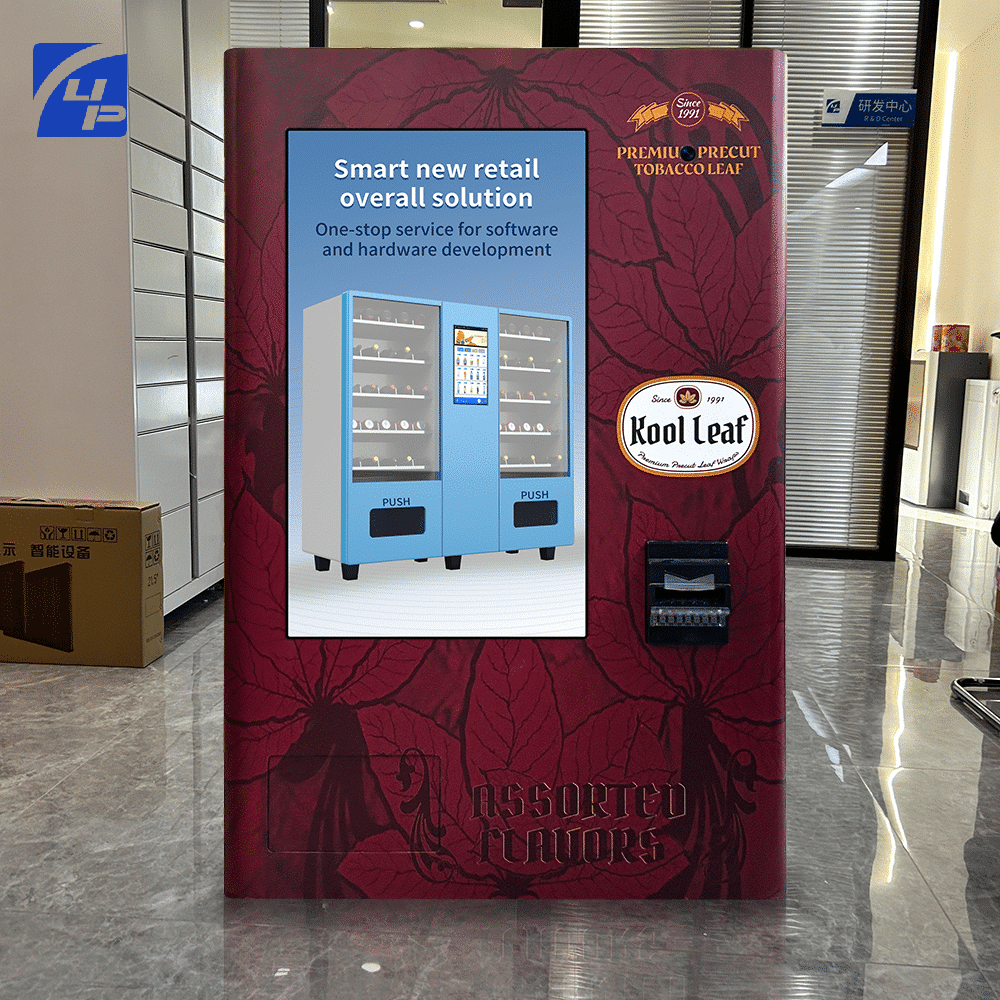
Route management in vending machine operations has traditionally been a labor-intensive process requiring physical visits to check inventory levels, collect cash, and monitor machine performance. Remote monitoring technology in vending machines fundamentally transforms this operational challenge by providing real-time visibility into machine status, inventory levels, and performance metrics without requiring physical presence at each location. This technological advancement enables vending operators to optimize their route planning, reduce operational costs, and improve service efficiency across their entire machine network.
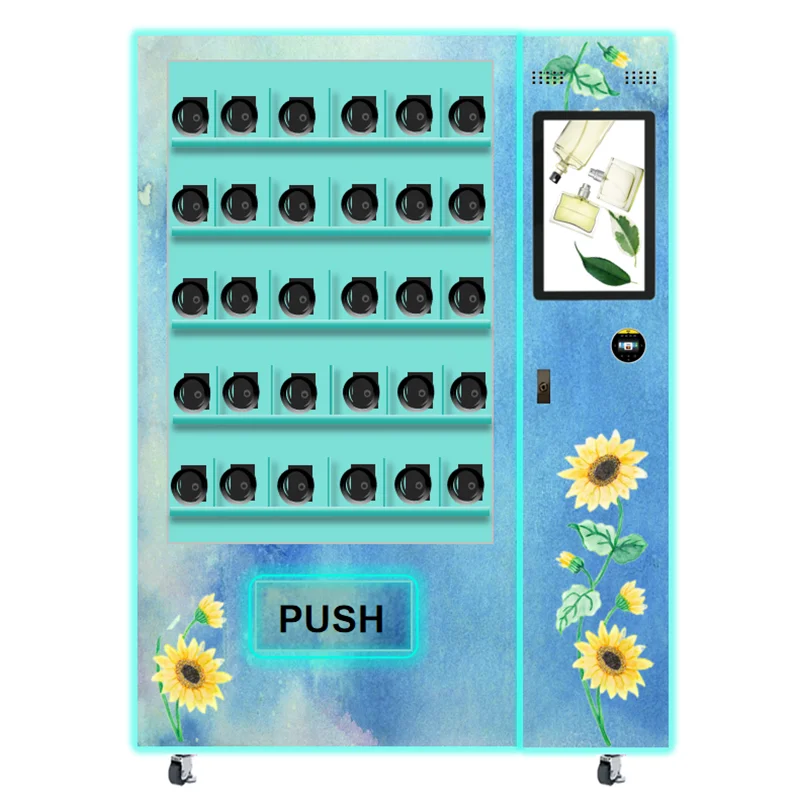
The implementation of remote monitoring technology in vending machines creates a centralized command center approach to fleet management, where operators can access comprehensive data about their entire vending network from a single dashboard. This technological infrastructure eliminates the guesswork from route planning by providing precise information about which machines require immediate attention, which locations are performing optimally, and which routes can be consolidated or modified for maximum efficiency. The result is a streamlined operation that maximizes productivity while minimizing unnecessary travel time and operational expenses.
Real-Time Inventory Management and Route Optimization
Dynamic Inventory Tracking Systems
Remote monitoring technology in vending machines employs sophisticated sensors and communication systems to track product inventory in real-time. These systems monitor the quantity of each product slot, automatically updating inventory levels as items are dispensed. The technology can differentiate between various product types and sizes, providing detailed information about specific items that need restocking. This granular level of inventory tracking allows route managers to prepare precise restocking loads before leaving the warehouse, ensuring that service visits are comprehensive and efficient.
The inventory data collected through remote monitoring technology in vending machines is transmitted to central management systems via cellular, WiFi, or satellite connections. This continuous data flow enables operators to identify patterns in product consumption, seasonal variations in demand, and location-specific preferences. Route managers can use this information to prioritize stops based on inventory depletion rates, focusing their efforts on machines that genuinely require immediate attention while postponing visits to well-stocked locations.
Predictive Restocking Algorithms
Advanced remote monitoring technology in vending machines incorporates predictive analytics to forecast when specific products will run out at individual locations. These algorithms analyze historical sales data, consumption patterns, and external factors such as weather, local events, and seasonal trends to predict optimal restocking schedules. This predictive capability allows route managers to schedule visits proactively rather than reactively, preventing out-of-stock situations that result in lost sales and customer dissatisfaction.
The predictive functionality of remote monitoring technology in vending machines extends beyond simple inventory forecasting to include demand pattern recognition. The system can identify peak consumption periods, slow-moving products, and location-specific preferences, enabling route managers to customize their restocking strategies for each machine. This level of customization reduces waste from overstocking slow-moving items while ensuring popular products remain available during high-demand periods.
Performance Monitoring and Preventive Maintenance
Machine Health Diagnostics
Remote monitoring technology in vending machines continuously tracks various performance indicators including temperature controls, coin mechanism functionality, bill acceptor status, and dispensing mechanism operations. These diagnostic capabilities enable operators to identify potential mechanical issues before they result in machine downtime or customer complaints. The system generates alerts when performance metrics fall outside normal parameters, allowing maintenance teams to address problems during scheduled route visits rather than requiring emergency service calls.
The diagnostic data collected by remote monitoring technology in vending machines includes detailed error logs, component performance histories, and failure pattern analysis. This comprehensive monitoring approach enables route managers to carry appropriate replacement parts and tools based on specific machine conditions, reducing the likelihood of incomplete repairs that require follow-up visits. The technology also tracks maintenance intervals and service requirements, helping operators maintain optimal machine performance while extending equipment lifespan.
Proactive Service Scheduling
Remote monitoring technology in vending machines enables operators to transition from reactive maintenance approaches to proactive service scheduling. The system identifies machines requiring attention based on performance data, inventory levels, and maintenance requirements, allowing route managers to consolidate multiple service needs into single visits. This approach significantly reduces travel time and labor costs while improving overall service quality and machine uptime.
The scheduling capabilities of remote monitoring technology in vending machines incorporate geographic optimization algorithms that plan efficient route sequences based on machine locations, service requirements, and traffic patterns. These systems can automatically generate optimized route plans that minimize travel distance and time while ensuring all high-priority machines receive timely service. Route managers can adjust these automated schedules based on operational constraints, customer requirements, and resource availability.
Data-Driven Route Planning and Analysis
Geographic Information Systems Integration
Modern remote monitoring technology in vending machines integrates with geographic information systems to provide visual mapping of machine locations, service requirements, and route optimization opportunities. These systems display real-time machine status information on interactive maps, enabling route managers to quickly identify clusters of machines requiring service and plan efficient travel paths. The visual interface simplifies complex routing decisions by presenting all relevant information in an intuitive, geographically-based format.
The mapping capabilities of remote monitoring technology in vending machines include traffic pattern analysis, distance calculations, and time estimation features that help optimize route planning. Route managers can evaluate multiple routing scenarios, compare travel times under different conditions, and select optimal paths that minimize fuel costs and maximize productivity. The system can also account for factors such as parking availability, building access restrictions, and service time requirements when generating route recommendations.
Performance Analytics and Reporting
Remote monitoring technology in vending machines generates comprehensive performance reports that enable operators to analyze route efficiency, service quality metrics, and operational costs. These reports provide insights into key performance indicators such as average service time per machine, miles traveled per stop, and cost per service visit. Route managers can use this data to identify improvement opportunities, benchmark performance against industry standards, and demonstrate operational efficiency to stakeholders.
The analytical capabilities of remote monitoring technology in vending machines extend to trend analysis and comparative performance evaluation across different routes, operators, and time periods. This longitudinal data analysis helps identify best practices, seasonal variations in service requirements, and opportunities for operational optimization. Route managers can use these insights to refine their strategies, allocate resources more effectively, and improve overall fleet performance.
Cost Reduction and Efficiency Improvements
Fuel and Labor Cost Optimization
Remote monitoring technology in vending machines directly impacts operational costs by reducing unnecessary travel and optimizing route efficiency. The system eliminates wasted trips to machines that don't require service while ensuring that necessary visits are consolidated and efficiently sequenced. This optimization typically results in significant reductions in fuel costs, vehicle wear and tear, and labor hours, directly improving the profitability of vending operations.
The cost benefits of remote monitoring technology in vending machines extend beyond immediate fuel and labor savings to include reduced vehicle maintenance, lower insurance costs, and decreased environmental impact. Route optimization reduces total miles driven, extending vehicle lifespan and reducing maintenance frequency. These indirect cost savings compound over time, making the technology investment increasingly valuable as operations scale and expand.
Inventory Management Efficiency
Remote monitoring technology in vending machines improves inventory management efficiency by providing precise restocking requirements for each machine visit. This capability reduces inventory carrying costs, minimizes waste from expired products, and improves cash flow by ensuring optimal stock levels throughout the vending network. Route managers can prepare exact restocking loads, reducing the need to carry excess inventory in service vehicles and minimizing product handling time at each location.
The inventory optimization capabilities of remote monitoring technology in vending machines include demand forecasting, seasonal adjustment recommendations, and slow-moving product identification. These features help operators maintain optimal product mix at each location while reducing inventory investment and waste. The technology also enables more efficient warehouse operations by providing accurate demand forecasts that support better purchasing decisions and inventory planning.
FAQ
What types of data does remote monitoring technology collect from vending machines?
Remote monitoring technology in vending machines collects comprehensive operational data including real-time inventory levels for each product slot, sales transaction details, machine performance metrics, temperature readings, mechanical system status, and payment system functionality. The technology also tracks error codes, maintenance alerts, and diagnostic information that helps identify potential issues before they cause machine downtime or service interruptions.
How quickly can remote monitoring systems detect and report vending machine problems?
Modern remote monitoring technology in vending machines provides near-instantaneous problem detection and reporting capabilities. Most systems can identify and transmit alerts within minutes of a malfunction or performance issue occurring. The speed of detection depends on the specific monitoring parameters and communication infrastructure, but operators typically receive notifications about critical issues such as temperature deviations, mechanical failures, or payment system problems within 5-15 minutes of occurrence.
Can remote monitoring technology work with existing older vending machines?
Remote monitoring technology in vending machines can often be retrofitted to existing older machines through aftermarket monitoring solutions and upgrade kits. These retrofit systems typically include sensors, communication modules, and interface components that integrate with existing machine systems. While newer machines may offer more comprehensive monitoring capabilities, most older vending machines can benefit from basic remote monitoring features such as inventory tracking, sales reporting, and basic performance monitoring through appropriate retrofit solutions.
What communication methods do remote monitoring systems use to transmit data?
Remote monitoring technology in vending machines utilizes various communication methods depending on location requirements and infrastructure availability. Common communication options include cellular networks (3G, 4G, 5G), WiFi connections, satellite communication for remote locations, and wired internet connections where available. Many systems incorporate multiple communication methods as backup options to ensure reliable data transmission even if the primary connection method experiences interruptions or coverage issues.
Table of Contents
- Real-Time Inventory Management and Route Optimization
- Performance Monitoring and Preventive Maintenance
- Data-Driven Route Planning and Analysis
- Cost Reduction and Efficiency Improvements
-
FAQ
- What types of data does remote monitoring technology collect from vending machines?
- How quickly can remote monitoring systems detect and report vending machine problems?
- Can remote monitoring technology work with existing older vending machines?
- What communication methods do remote monitoring systems use to transmit data?