 EN
EN
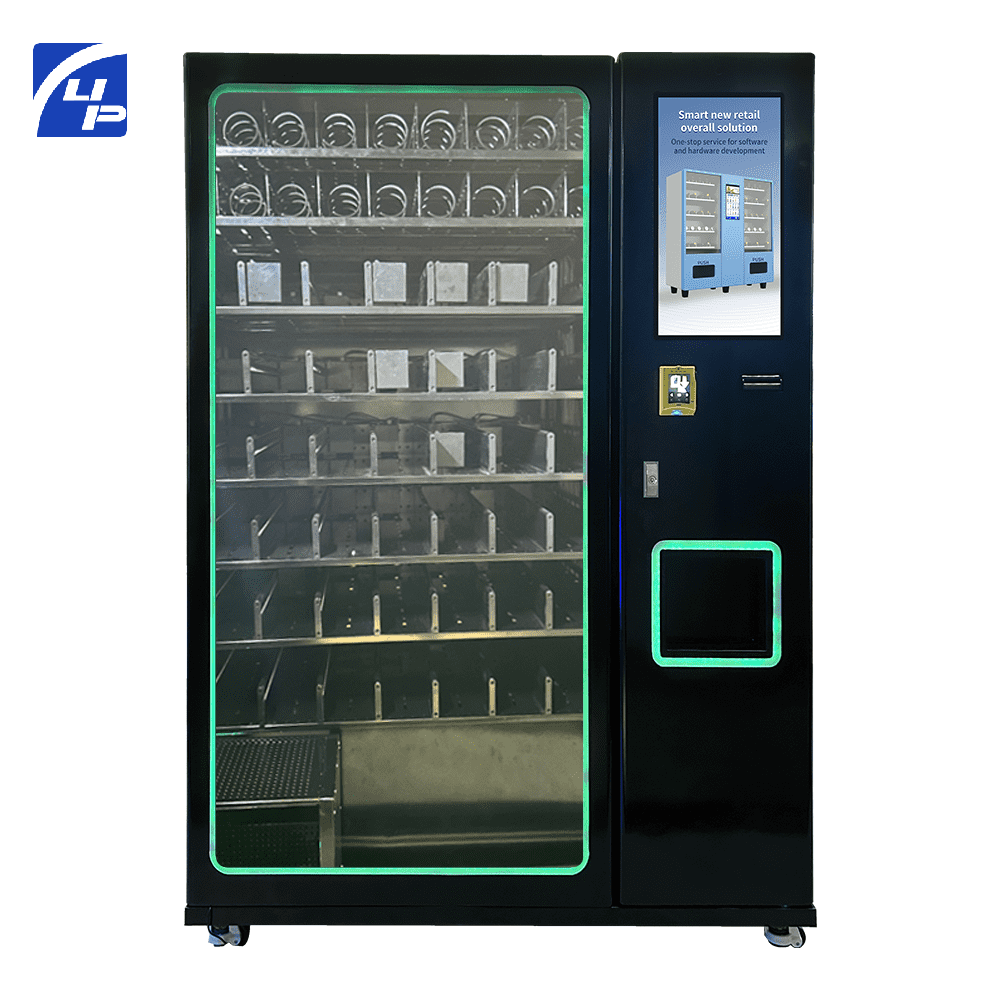
The retail landscape has fundamentally shifted toward cashless transactions, making vending machines with cashless payment systems an essential component of modern consumer infrastructure. Today's consumers expect seamless, contactless payment options that align with their digital lifestyle preferences, and traditional cash-only vending machines increasingly fail to meet these evolving demands. The integration of cashless payment technology in vending operations represents more than a convenience upgrade—it addresses critical consumer behavioral changes, security concerns, and operational efficiency requirements that define successful automated retail strategies.
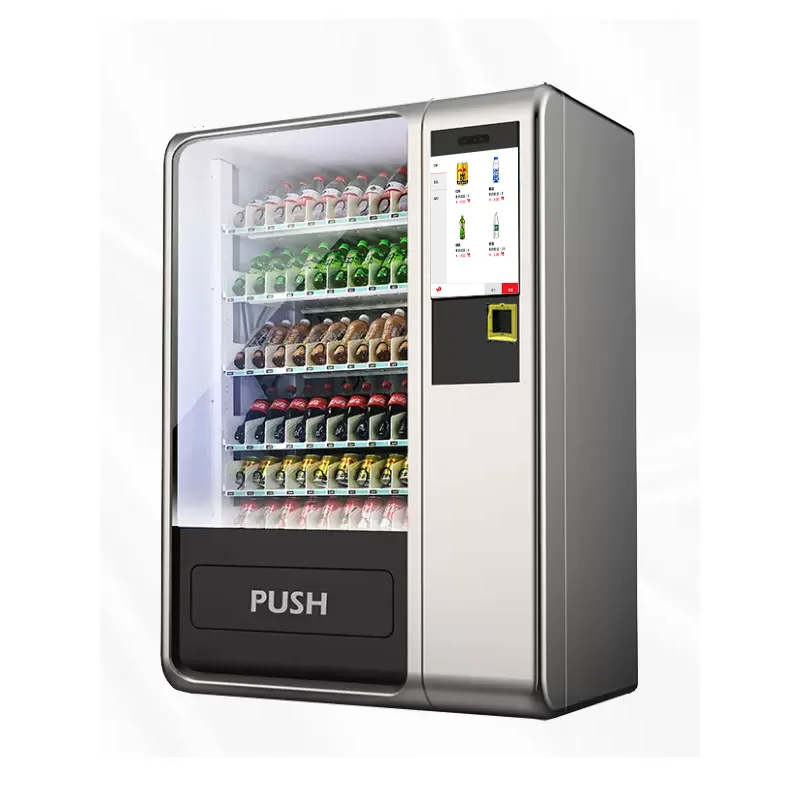
Understanding why vending machines with cashless payment systems have become essential requires examining the convergence of consumer preferences, technological capabilities, and business imperatives that drive modern automated retail success. The necessity stems from fundamental changes in how consumers carry money, their expectations for transaction speed and security, and the operational advantages that cashless systems provide to vending machine operators. These factors combine to create a compelling business case for adopting cashless payment technology across all vending machine deployments, regardless of location or target demographic.
Consumer Behavior Transformation Driving Cashless Adoption
Declining Cash Usage Patterns Among Modern Consumers
Modern consumers increasingly carry less physical cash, with studies indicating that contactless and digital payment methods now account for the majority of small-value transactions. This shift directly impacts vending machine accessibility, as traditional cash-only machines exclude a growing segment of potential customers who simply lack the physical currency required for purchases. Vending machines with cashless payment systems capture this expanding market segment by accepting the payment methods that consumers actually use in their daily lives.
The demographic trends supporting this transformation show particularly strong adoption among younger consumers, urban populations, and professional environments where convenience and speed are prioritized. These consumer segments represent high-value vending machine markets, making cashless payment capability essential for operators targeting premium locations and demographics. The behavioral shift toward cashless transactions reflects broader lifestyle changes rather than temporary trends, indicating that vending machines without cashless options will face declining relevance over time.
Convenience Expectations in Digital-First Environments
Contemporary consumers expect frictionless transaction experiences that match the convenience levels they encounter in other retail channels. Vending machines with cashless payment systems deliver transaction speeds and convenience that align with modern consumer expectations, eliminating the frustration of searching for exact change or dealing with bill acceptor malfunctions. This convenience factor becomes particularly important in high-traffic environments where transaction speed directly impacts customer satisfaction and repeat usage rates.
The convenience advantages extend beyond basic transaction processing to include features like payment method flexibility, transaction history tracking, and integration with loyalty programs. These enhanced capabilities position cashless vending machines as sophisticated retail touchpoints rather than basic dispensing devices, creating value propositions that resonate with experience-focused consumers. The convenience factor drives higher customer satisfaction scores and increased machine utilization rates across diverse deployment scenarios.
Security and Safety Advantages of Cashless Vending Systems
Enhanced Transaction Security Through Digital Payment Processing
Cashless payment systems provide superior transaction security compared to cash-handling mechanisms, protecting both consumers and operators from various security risks associated with physical currency. Digital payment processing includes encryption, authentication, and fraud protection measures that far exceed the security capabilities of cash transactions. Vending machines with cashless payment systems leverage these security advantages to create safer transaction environments for all stakeholders.
The security benefits extend to theft prevention and vandalism reduction, as cashless vending machines contain minimal cash reserves that make them less attractive targets for criminal activity. This security improvement reduces insurance costs, maintenance expenses, and location restrictions that operators face with cash-heavy machines. The enhanced security profile enables deployment in previously unsuitable locations and reduces the operational risks associated with vending machine management.
Contactless Payment Health and Safety Benefits
Health-conscious consumers increasingly prefer contactless transaction methods that minimize physical touchpoints and potential contamination risks. Vending machines with cashless payment systems support tap-to-pay, mobile wallet, and other contactless payment methods that address these health and safety concerns effectively. This capability became particularly important during health-focused periods but continues to influence consumer preferences as hygiene awareness remains elevated.
The contactless payment capabilities reduce the need for physical interaction with payment hardware, cash handling, and change dispensing mechanisms that create potential hygiene concerns. This safety advantage appeals to health-conscious consumers across various demographics and location types, from healthcare facilities to office environments. The health and safety benefits contribute to broader consumer acceptance and usage frequency for cashless vending solutions.
Operational Efficiency and Business Performance Benefits
Streamlined Cash Management and Operational Overhead Reduction
Vending machines with cashless payment systems dramatically reduce the operational overhead associated with cash collection, counting, banking, and security procedures that traditional cash-based operations require. This efficiency improvement translates into lower labor costs, reduced service frequency requirements, and simplified accounting procedures that improve overall profitability. The operational streamlining enables operators to manage larger machine networks with existing resources while improving service quality.
The cash management benefits include elimination of change fund requirements, reduced theft risks during collection procedures, and simplified reconciliation processes that reduce administrative complexity. These operational advantages become more significant as vending networks scale, making cashless payment systems essential for operators planning growth or managing distributed machine deployments. The efficiency gains support better resource allocation toward customer service and machine maintenance rather than cash-handling logistics.
Enhanced Sales Performance and Revenue Optimization
Cashless payment acceptance typically increases sales performance by removing purchase barriers related to cash availability, exact change requirements, and bill acceptor reliability issues. Vending machines with cashless payment systems capture impulse purchases and accommodate higher-value transactions that might be limited by cash-carrying patterns. This sales performance improvement directly impacts revenue generation and return on investment calculations for vending machine deployments.
The revenue optimization extends to dynamic pricing capabilities, promotional flexibility, and customer data collection opportunities that support more sophisticated marketing strategies. Cashless payment systems enable real-time transaction monitoring, customer behavior analysis, and targeted promotional campaigns that maximize sales performance. These advanced capabilities position cashless vending machines as data-driven retail channels rather than passive dispensing devices, creating competitive advantages in crowded marketplace environments.
Technology Integration and Future-Readiness Considerations
Compatibility with Emerging Payment Technologies
Modern vending machines with cashless payment systems provide compatibility with emerging payment technologies including mobile wallets, cryptocurrency options, and biometric authentication methods that represent the future of retail transactions. This technology compatibility ensures that vending investments remain relevant as payment preferences continue evolving toward increasingly sophisticated digital methods. The future-readiness factor protects operators from technological obsolescence while positioning them to capitalize on emerging payment trends.
The integration capabilities extend to loyalty program connectivity, customer relationship management systems, and inventory management platforms that create comprehensive automated retail solutions. These technology integrations enable vending machines to function as connected retail endpoints within broader digital commerce ecosystems. The connectivity advantages support advanced customer engagement strategies and operational optimization approaches that drive long-term competitive positioning.
Data Analytics and Customer Insight Generation
Cashless payment systems generate valuable transaction data and customer behavior insights that inform strategic decision-making regarding product selection, pricing optimization, and location performance analysis. Vending machines with cashless payment systems become data collection points that support evidence-based business management rather than intuition-driven operations. This analytical capability represents a significant competitive advantage for operators seeking to optimize their vending network performance.
The data generation capabilities include customer demographics analysis, peak usage pattern identification, and product performance tracking that enable more sophisticated inventory management and marketing strategies. These insights support personalized customer experiences, targeted product recommendations, and location-specific optimization approaches that maximize revenue potential. The analytical advantages position cashless vending operations as sophisticated retail businesses rather than traditional vending services.
Market Competitiveness and Consumer Accessibility
Meeting Universal Design and Accessibility Requirements
Cashless payment options improve vending machine accessibility for consumers with mobility limitations, visual impairments, or other conditions that make cash handling challenging. Vending machines with cashless payment systems support voice-activated payment methods, large-button interfaces, and other accessibility features that comply with universal design principles. This accessibility improvement expands the potential customer base while demonstrating social responsibility in automated retail operations.
The accessibility benefits extend to international visitors, tourists, and travelers who may not carry local currency but have access to cashless payment methods that work across geographic boundaries. This global compatibility makes cashless vending machines particularly valuable in airports, hotels, tourist destinations, and multicultural environments. The inclusive design approach supports broader market reach and customer satisfaction across diverse user populations.
Competitive Positioning in Modern Retail Environments
Vending machines with cashless payment systems compete more effectively against alternative retail channels by offering convenience levels that match or exceed traditional retail experiences. The competitive positioning becomes essential as consumers have increasing options for accessing products and services through various automated and digital channels. Cashless capability ensures that vending machines remain competitive rather than becoming obsolete convenience options.
The competitive advantages include faster transaction processing, reduced wait times, and enhanced customer experience quality that differentiate modern vending operations from legacy cash-based systems. These positioning benefits support premium pricing opportunities, preferred location access, and partnership opportunities with forward-thinking facility managers and property owners. The competitive strength drives market share protection and growth opportunities in evolving automated retail landscapes.
FAQ
What payment methods do modern cashless vending machines typically accept?
Modern cashless vending machines typically accept credit cards, debit cards, contactless tap payments, mobile wallets like Apple Pay and Google Pay, campus cards, employee badges with payment functionality, and some newer systems also support cryptocurrency payments. The specific payment methods depend on the machine's configuration and target market requirements.
How do cashless payment systems impact vending machine reliability compared to cash acceptors?
Cashless payment systems generally provide higher reliability than traditional cash acceptors because they have fewer mechanical components that can jam, break, or require frequent maintenance. Digital payment processing eliminates issues related to bill condition, coin jams, and change dispensing mechanisms, resulting in reduced service calls and improved customer satisfaction.
Can vending machines with cashless payment systems operate without internet connectivity?
Most modern cashless vending machines require internet connectivity for real-time payment processing and transaction verification, though some systems can operate in offline mode for limited periods using stored authorization capabilities. However, reliable internet connection is essential for optimal security, real-time inventory tracking, and full payment method support.
What are the typical implementation costs for adding cashless payment systems to existing vending machines?
Implementation costs for adding cashless payment systems to existing vending machines typically range from $200 to $800 per machine depending on the complexity of the payment system, required hardware upgrades, and integration requirements. These costs are generally offset by increased sales volume and reduced operational expenses within 6-18 months of implementation.
Table of Contents
- Consumer Behavior Transformation Driving Cashless Adoption
- Security and Safety Advantages of Cashless Vending Systems
- Operational Efficiency and Business Performance Benefits
- Technology Integration and Future-Readiness Considerations
- Market Competitiveness and Consumer Accessibility
-
FAQ
- What payment methods do modern cashless vending machines typically accept?
- How do cashless payment systems impact vending machine reliability compared to cash acceptors?
- Can vending machines with cashless payment systems operate without internet connectivity?
- What are the typical implementation costs for adding cashless payment systems to existing vending machines?