 EN
EN
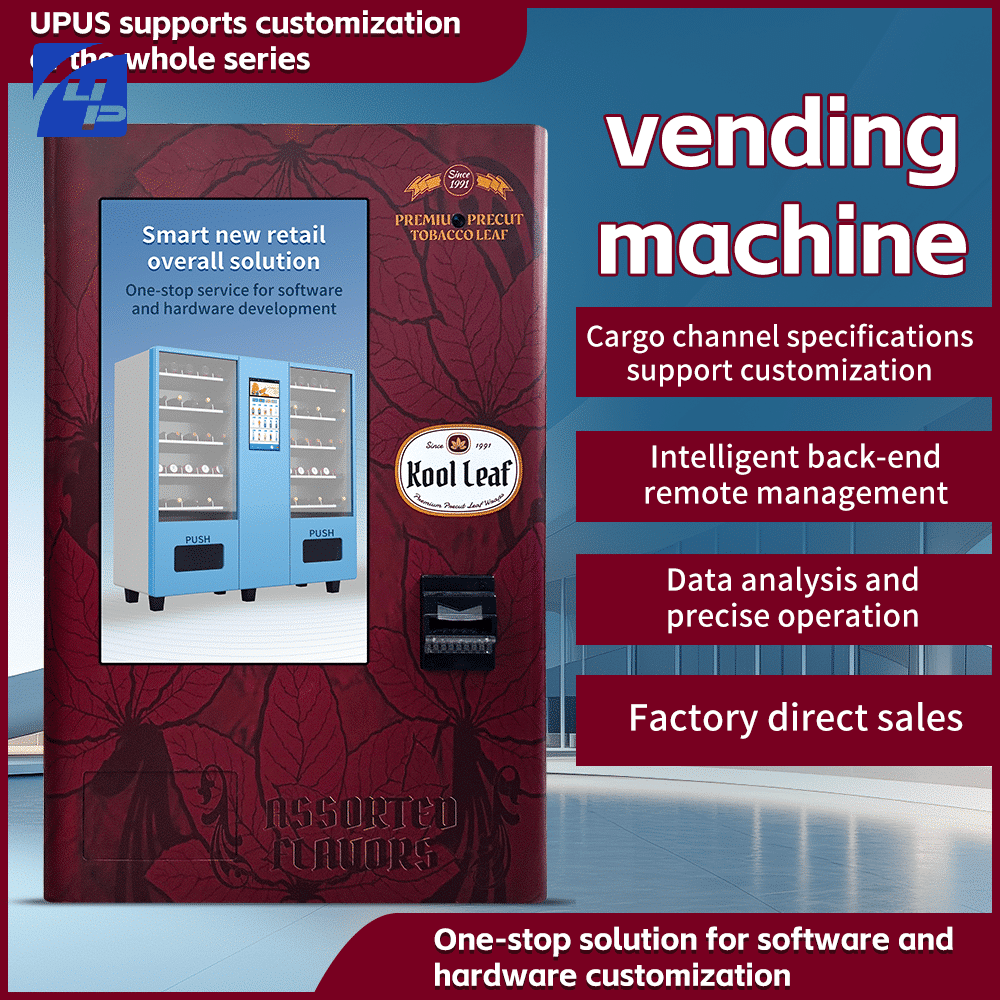
The evolution of retail technology has fundamentally transformed how businesses engage with customers, and smart vending machines with touchscreen interfaces represent one of the most significant advances in automated retail. These innovative systems go far beyond traditional coin-operated dispensers, offering interactive experiences that rival conventional retail environments while maintaining the convenience and accessibility that make vending solutions attractive to modern consumers.
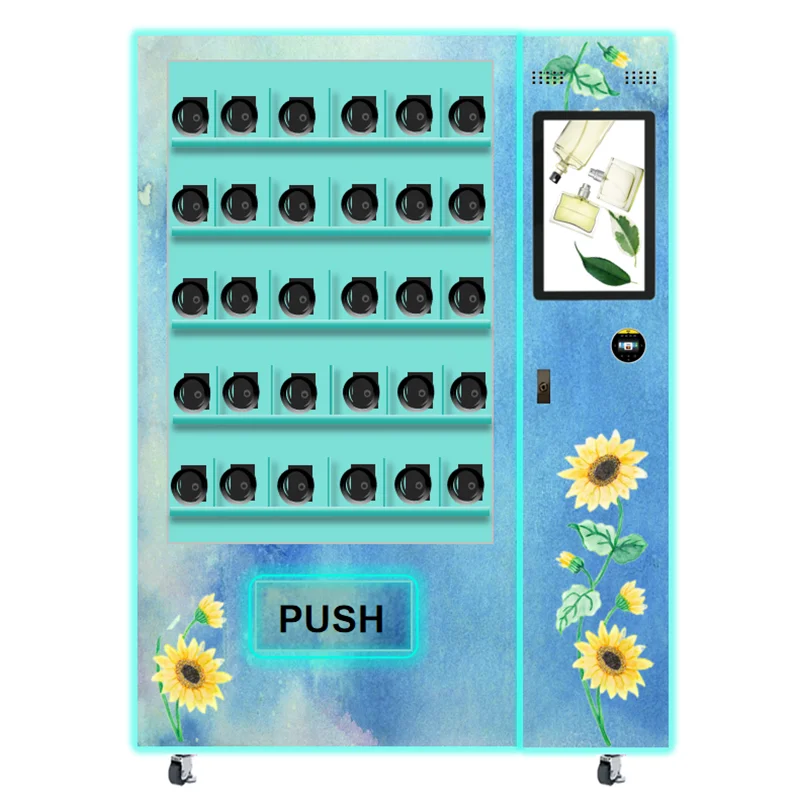
Understanding how a smart vending machine with touchscreen interface enhances customer experience requires examining the specific mechanisms through which these technologies create value for users. From intuitive navigation systems to personalized product recommendations, touchscreen-enabled vending solutions address many pain points associated with traditional automated retail while introducing entirely new capabilities that drive customer satisfaction and loyalty.
Interactive Interface Design and User Navigation
Intuitive Menu Systems and Product Discovery
The touchscreen interface of a smart vending machine transforms product selection from a limited button-based system into an expansive digital catalog experience. Users can browse through categorized product menus, view detailed product information including nutritional facts and ingredient lists, and access high-resolution images that help them make informed purchasing decisions. This enhanced visibility eliminates the guesswork traditionally associated with vending machine purchases.
Advanced smart vending machine with touchscreen systems incorporate search functionality that allows customers to quickly locate specific products or filter options based on dietary preferences, price ranges, or brand preferences. The interface can dynamically adjust product displays based on inventory levels, ensuring customers only see available items while highlighting popular or recommended selections.
Multi-language support capabilities enable these systems to serve diverse customer bases by automatically detecting user preferences or allowing manual language selection. This inclusivity feature significantly expands the potential customer reach while ensuring comfortable interaction experiences for non-native speakers.
Visual Feedback and Confirmation Systems
Touchscreen interfaces provide immediate visual confirmation of user selections, displaying chosen products, quantities, and total pricing before payment processing begins. This transparency reduces transaction anxiety and builds customer confidence by clearly communicating each step of the purchasing process through visual cues and progress indicators.
Real-time inventory status display prevents customer frustration by showing product availability before selection attempts. When items become unavailable during browsing, the smart vending machine with touchscreen can suggest similar alternatives or notify users about expected restocking times, maintaining engagement even when preferred products are temporarily out of stock.
Error handling and troubleshooting guidance appear directly on the touchscreen when issues arise, providing customers with clear instructions for resolving common problems or contacting support services. This self-service problem resolution capability reduces the need for external assistance while maintaining positive user experiences.
Personalization and Customer Data Integration
User Profile Recognition and Preference Learning
Modern smart vending machine with touchscreen systems can integrate with customer loyalty programs, mobile applications, or payment systems to recognize returning users and customize their experience based on previous purchasing patterns. This personalization extends beyond simple product recommendations to include preferred payment methods, language settings, and interface layout preferences.
Machine learning algorithms analyze customer interaction data to identify trends and preferences, enabling the system to suggest products that align with individual tastes or dietary requirements. These recommendations appear prominently on the touchscreen interface, streamlining the selection process for frequent users while introducing them to new products they might enjoy.
Seasonal and contextual personalization allows the smart vending machine with touchscreen to adjust product prominence based on factors like time of day, weather conditions, or local events. For example, cold beverages might receive priority placement during hot weather, while warm options become more prominent during colder periods.
Social Integration and Sharing Features
Advanced touchscreen interfaces can incorporate social media integration features that allow customers to share their purchases, leave reviews, or participate in brand engagement campaigns directly from the vending machine interface. These social features create opportunities for viral marketing while enhancing the overall customer experience through community interaction.
Group purchasing options enable multiple customers to contribute to a single transaction through the touchscreen interface, facilitating office snack orders or group meal purchases. The system can track individual contributions and preferences while processing a consolidated payment, simplifying complex multi-person transactions.
Gamification elements integrated into the touchscreen experience can include loyalty point tracking, achievement badges, or interactive promotional games that reward customer engagement. These features transform routine vending machine interactions into engaging experiences that encourage repeat visits and brand loyalty.
Payment Flexibility and Transaction Security
Multiple Payment Method Support
The touchscreen interface of a smart vending machine enables support for diverse payment methods beyond traditional cash transactions. Customers can choose from contactless card payments, mobile wallet solutions, cryptocurrency options, or integrated loyalty point systems, all managed through the intuitive touchscreen interface.
Payment process visualization through the touchscreen provides clear instructions for each payment method, reducing confusion and failed transactions. The interface can guide users through tap-to-pay procedures, QR code scanning for mobile payments, or biometric authentication processes when supported by the hardware configuration.
Split payment functionality allows customers to combine multiple payment methods for a single transaction, such as using loyalty points for partial payment and completing the balance with a credit card. The smart vending machine with touchscreen calculates these combinations automatically and presents clear breakdowns of payment allocation.
Security Features and Transaction Protection
Touchscreen interfaces incorporate multiple security layers to protect customer financial information during transactions. Visual encryption indicators, secure connection confirmations, and privacy notifications appear on screen to reassure customers about transaction safety and data protection measures.
Transaction timeout features automatically cancel incomplete purchases after predetermined periods, preventing unauthorized access to payment information if customers become distracted or leave the machine during the transaction process. The touchscreen clearly displays countdown timers and provides options to extend session times when needed.
Receipt options managed through the touchscreen interface allow customers to choose between printed receipts, email confirmations, or SMS notifications, providing transaction records while accommodating different customer preferences and environmental considerations.
Real-Time Information and Service Integration
Dynamic Content and Promotional Displays
The touchscreen interface serves as a dynamic advertising platform that can display targeted promotional content, nutritional information, or brand messaging between customer interactions. This capability transforms the smart vending machine with touchscreen into a comprehensive marketing tool that generates additional revenue streams beyond direct product sales.
Real-time pricing updates and promotional offers can be deployed instantly across networked vending machines, allowing operators to respond quickly to market conditions, competitor pricing, or inventory clearance needs. Customers see current pricing and available discounts directly on the touchscreen without requiring physical signage updates.
Interactive promotional games, surveys, or educational content delivered through the touchscreen interface create engagement opportunities that extend dwell time and improve brand recall. These features can be customized based on location demographics, seasonal campaigns, or specific marketing objectives.
Service Status and Maintenance Communication
Touchscreen interfaces provide transparent communication about machine status, service availability, and maintenance schedules. Customers receive clear notifications about temporary service interruptions, estimated resolution times, or alternative nearby locations when issues arise.
Interactive feedback collection systems built into the touchscreen allow customers to report issues, suggest improvements, or rate their experience directly through the interface. This immediate feedback mechanism enables operators to address problems quickly while demonstrating responsiveness to customer concerns.
Integration with customer service systems enables the smart vending machine with touchscreen to provide direct access to support representatives through video calls, live chat, or automated troubleshooting systems when customers encounter difficulties or have questions about products or services.
Accessibility and Inclusive Design Features
Universal Design Implementation
Modern smart vending machine with touchscreen systems incorporate accessibility features that ensure usability for customers with diverse physical abilities. Voice navigation options, adjustable text sizing, high contrast display modes, and tactile feedback systems make these machines accessible to users with visual or hearing impairments.
Height-adjustable interfaces or multiple touchscreen positions accommodate users of different heights or those using mobility devices. The system can automatically adjust interface elements based on detected user positioning or manual accessibility mode selection through the touchscreen controls.
Simplified interaction modes reduce cognitive load for users who may struggle with complex interfaces, offering streamlined purchasing processes with larger buttons, clearer instructions, and fewer decision points while maintaining access to full functionality when needed.
Multilingual and Cultural Adaptation
Touchscreen interfaces support comprehensive internationalization features that extend beyond simple language translation to include culturally appropriate imagery, payment method preferences, and product categorization systems that align with local market expectations and customs.
Regional customization capabilities enable the smart vending machine with touchscreen to adapt its interface design, color schemes, and interaction patterns to match local aesthetic preferences or cultural norms while maintaining consistent functionality across different markets.
Time zone and calendar integration ensures that promotional content, operating hours, and service schedules display correctly regardless of machine location, while supporting local holiday recognition and culturally significant events that might affect customer behavior patterns.
FAQ
How does a touchscreen interface improve product selection compared to traditional button-based vending machines?
A touchscreen interface dramatically improves product selection by providing visual product catalogs with detailed information, images, and descriptions that help customers make informed decisions. Unlike button-based systems with limited display space, touchscreen interfaces can show complete product inventories, nutritional information, pricing details, and availability status in an organized, searchable format that makes finding and selecting desired items much more efficient and satisfying.
Can smart vending machines with touchscreens accommodate customers with disabilities or accessibility needs?
Yes, modern smart vending machines with touchscreen interfaces are designed with comprehensive accessibility features including voice navigation, adjustable text sizing, high contrast modes, tactile feedback options, and multiple interface heights to accommodate users with various physical abilities. These systems can also provide audio instructions, simplified interaction modes, and integration with assistive technologies to ensure inclusive access for all customers.
What payment methods are typically supported by touchscreen vending machines and how secure are these transactions?
Smart vending machines with touchscreen interfaces typically support multiple payment methods including contactless cards, mobile wallets, cash, loyalty points, and sometimes cryptocurrency options. These systems incorporate advanced security features such as encrypted payment processing, secure connection protocols, transaction timeouts, and visual security confirmations to protect customer financial information. The touchscreen interface clearly guides users through secure payment processes while providing transparency about transaction protection measures.
How do touchscreen vending machines use customer data to personalize the shopping experience?
Touchscreen vending machines can integrate with loyalty programs, mobile apps, or payment systems to recognize returning customers and customize their experience based on purchase history, preferences, and behavioral patterns. The system uses this data to provide personalized product recommendations, remember preferred payment methods and language settings, suggest items based on time of day or weather conditions, and offer targeted promotions that align with individual customer interests while maintaining privacy and data protection standards.
Table of Contents
- Interactive Interface Design and User Navigation
- Personalization and Customer Data Integration
- Payment Flexibility and Transaction Security
- Real-Time Information and Service Integration
- Accessibility and Inclusive Design Features
-
FAQ
- How does a touchscreen interface improve product selection compared to traditional button-based vending machines?
- Can smart vending machines with touchscreens accommodate customers with disabilities or accessibility needs?
- What payment methods are typically supported by touchscreen vending machines and how secure are these transactions?
- How do touchscreen vending machines use customer data to personalize the shopping experience?