 EN
EN
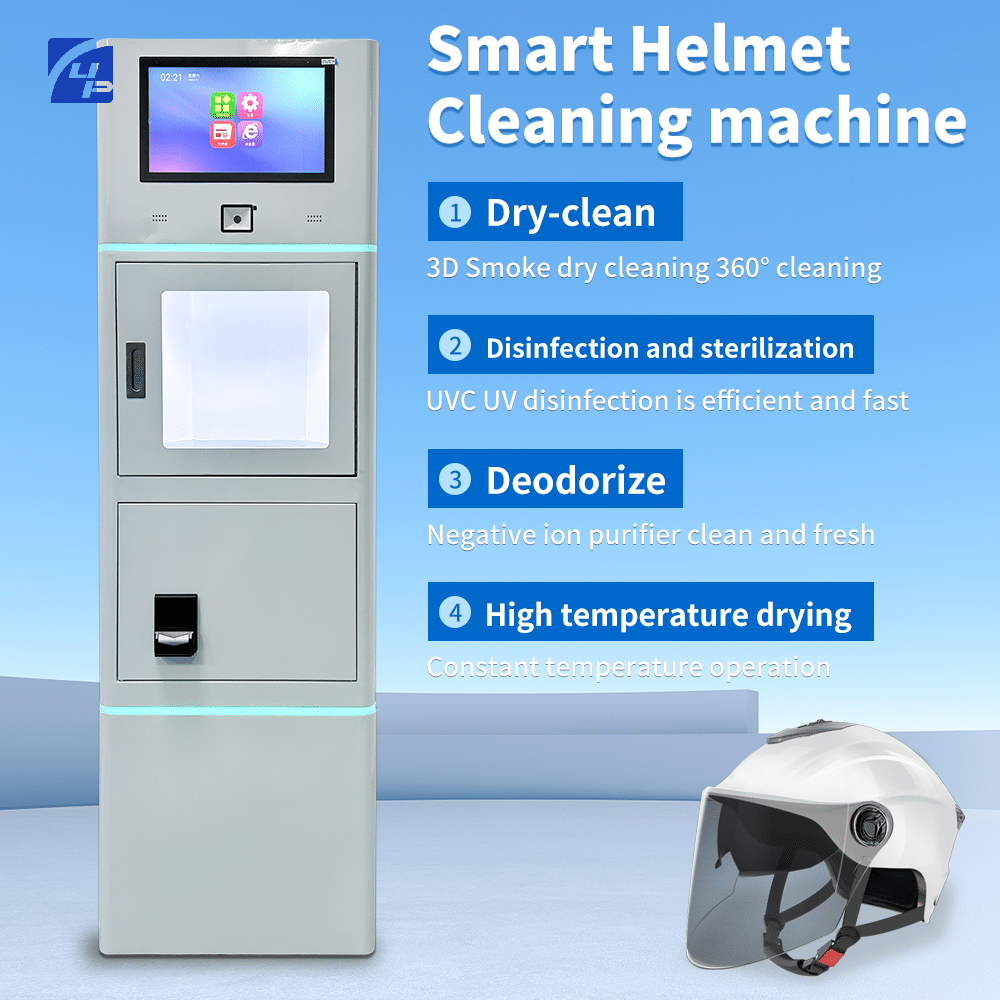
Selecting the right helmet cleaning machine for your specific needs requires careful consideration of usage patterns, business requirements, and operational constraints. The fundamental decision between commercial and personal use helmet cleaning machines impacts everything from initial investment costs to long-term maintenance requirements and revenue potential. Understanding the core differences between these two categories helps buyers make informed decisions that align with their specific circumstances and operational goals.
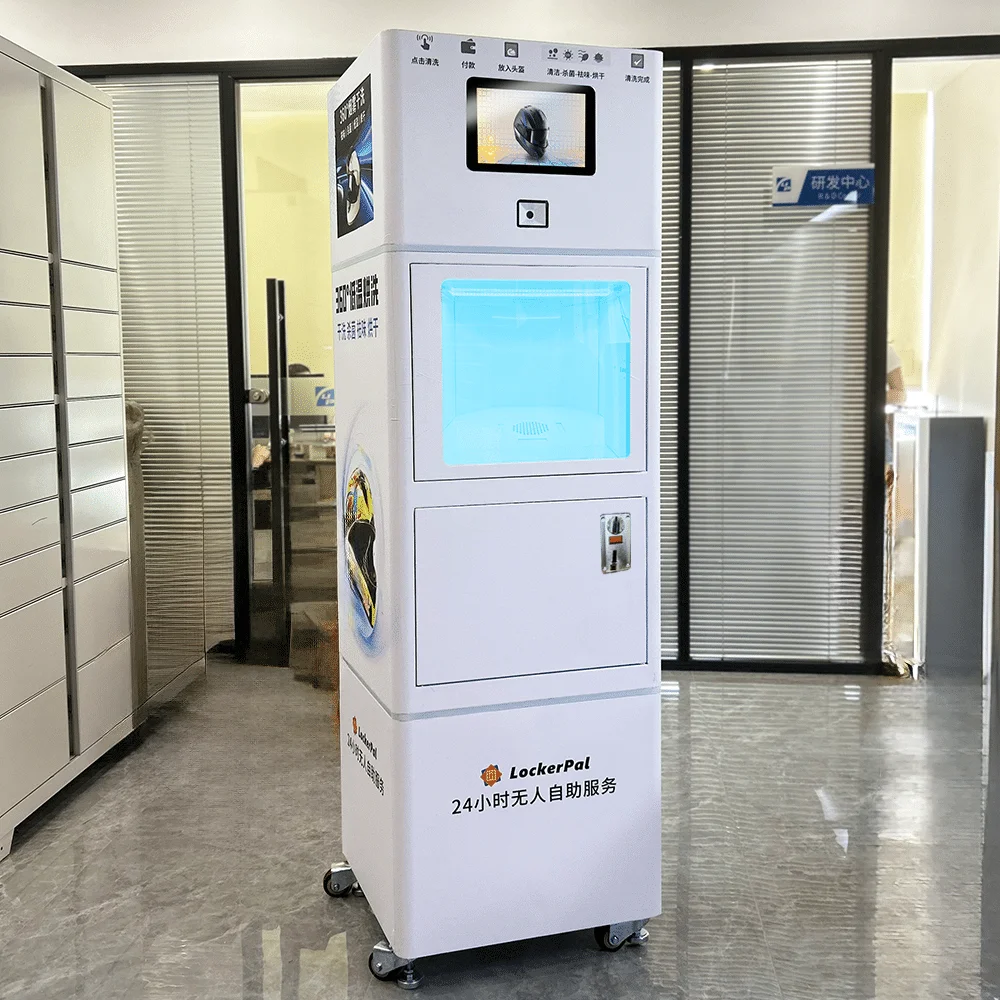
Commercial and personal use helmet cleaning machines serve distinctly different markets and operational requirements. Commercial units are designed for high-volume, continuous operation in business environments where multiple users require helmet cleaning services throughout the day. Personal use machines focus on convenience, compact design, and occasional cleaning needs for individual or family use. The choice between these options depends on factors including expected usage frequency, space constraints, budget considerations, and whether the machine will generate revenue or serve purely functional purposes.
Understanding Commercial Helmet Cleaning Machines
High-Volume Operation Capabilities
Commercial helmet cleaning machines are engineered to handle substantial daily usage volumes, typically accommodating hundreds of cleaning cycles without performance degradation. These units feature robust internal components, industrial-grade motors, and reinforced construction materials that withstand continuous operation. The cleaning mechanisms in commercial machines utilize advanced technologies such as UV sterilization, ozone treatment, and high-efficiency air circulation systems that ensure thorough decontamination within shorter time frames.
The durability standards for commercial helmet cleaning machines exceed those of personal units by significant margins. Manufacturers design these machines with replaceable components, easy maintenance access, and diagnostic systems that monitor performance metrics. Commercial units often incorporate coin-operated mechanisms, payment processing systems, and user interface displays that guide customers through the cleaning process while collecting usage fees.
Revenue Generation Features
Most commercial helmet cleaning machines include integrated payment systems that accept coins, tokens, or electronic payments, transforming the cleaning service into a revenue-generating operation. These vending-style machines allow businesses to recover investment costs while providing valuable services to customers. The pricing flexibility built into commercial machines enables operators to adjust cleaning fees based on market conditions, location demographics, and service demand patterns.
Business owners can strategically place commercial helmet cleaning machines in high-traffic areas such as motorcycle parking zones, shopping centers, gas stations, and workplace entrances where helmet users congregate. The self-service nature of these machines reduces operational overhead while providing consistent service availability. Revenue tracking capabilities help operators monitor usage patterns, optimize pricing strategies, and plan maintenance schedules based on actual usage data.
Installation and Space Requirements
Commercial helmet cleaning machines typically require dedicated floor space and may need special electrical connections to support their higher power consumption requirements. These units often measure significantly larger than personal machines, incorporating multiple cleaning chambers, ventilation systems, and user interface panels. Installation considerations include accessibility compliance, weather protection for outdoor placements, and security measures to prevent vandalism or theft.
Space planning for commercial installations must account for user queuing areas, maintenance access zones, and compliance with local building codes. The positioning of commercial helmet cleaning machines affects user convenience and operational efficiency, making site selection a critical factor in overall success. Many commercial units require professional installation and periodic servicing by certified technicians to maintain warranty coverage and optimal performance levels.
Evaluating Personal Use Helmet Cleaning Machines
Compact Design and Convenience
Personal use helmet cleaning machines prioritize space efficiency and user convenience over high-volume processing capabilities. These units typically feature compact footprints suitable for home garages, apartment storage areas, or small office spaces. The design emphasis focuses on simplicity, quiet operation, and minimal maintenance requirements that accommodate occasional use patterns rather than continuous operation demands.
Personal helmet cleaning machines often incorporate portable or semi-portable designs that allow users to store the unit when not in use. The cleaning cycles in personal machines may require longer processing times compared to commercial units, but this trade-off supports lower power consumption and reduced noise levels. Many personal machines feature manual controls, basic timing functions, and straightforward operation procedures that eliminate the need for complex user interfaces.
Cost-Effectiveness for Individual Users
The initial investment required for personal helmet cleaning machines represents a fraction of commercial unit costs, making them accessible to individual consumers and small families. Personal machines deliver cost savings over time by eliminating the need for commercial cleaning services or disposable cleaning products. The simplified construction and fewer mechanical components in personal units contribute to lower purchase prices and reduced maintenance expenses.
Personal use helmet cleaning machines provide value through convenience and health benefits rather than revenue generation. Users can clean helmets on their own schedules without traveling to commercial cleaning locations or waiting for service availability. The long-term cost analysis for personal machines should include energy consumption, replacement parts, and the value of time saved compared to alternative cleaning methods.
Limited Processing Capacity
Personal helmet cleaning machines are designed for occasional use patterns and may not withstand frequent daily operation. These units typically accommodate one or two helmets per cleaning cycle, with recommended rest periods between uses to prevent overheating or component wear. The cleaning effectiveness of personal machines may require longer processing times or multiple cycles for heavily soiled helmets compared to commercial alternatives.
Users of personal helmet cleaning machines should understand the operational limitations and plan cleaning schedules accordingly. These machines work well for families with one or two helmet users who require cleaning services weekly or monthly rather than daily. The reduced processing capacity makes personal machines unsuitable for business applications or shared use scenarios where multiple people require regular cleaning services.
Key Decision Factors and Selection Criteria
Usage Frequency Analysis
The expected frequency of helmet cleaning directly influences the appropriate machine category selection. Commercial helmet cleaning machines justify their higher costs when daily usage exceeds 20-30 cleaning cycles or when continuous availability throughout business hours is required. Personal machines suit scenarios where helmet cleaning occurs weekly or monthly, typically serving one to three regular users.
Business applications such as motorcycle rental services, delivery companies, or workplace safety programs usually require commercial-grade helmet cleaning machines to handle employee volumes and maintain consistent service quality. Individual motorcycle enthusiasts, occasional riders, or families with limited helmet use patterns find personal machines more appropriate for their needs and budgets.
Budget and Return on Investment
Commercial helmet cleaning machines require substantial initial investments ranging from several thousand to tens of thousands of dollars, depending on features and capacity. However, these machines can generate revenue streams that recover costs within months or years, depending on location and usage rates. The business case for commercial machines includes potential profits, improved customer satisfaction, and competitive advantages.
Personal helmet cleaning machines typically cost hundreds rather than thousands of dollars, making them accessible without significant financial commitments. The value proposition for personal machines centers on convenience, hygiene benefits, and long-term savings on professional cleaning services rather than revenue generation. Personal buyers should evaluate the cost per use over the expected machine lifespan compared to alternative cleaning options.
Space and Installation Constraints
Available installation space significantly impacts the viability of different helmet cleaning machine categories. Commercial units require dedicated areas with appropriate electrical service, ventilation, and user accessibility. Space constraints in urban environments or small businesses may limit commercial machine placement options and affect their potential success.
Personal helmet cleaning machines offer flexibility in placement and storage, accommodating users with limited space availability. These units can often function in garages, utility rooms, or outdoor covered areas without requiring permanent installation or dedicated electrical circuits. The portability of many personal machines allows seasonal storage or relocation based on changing needs.
Operational Considerations and Maintenance Requirements
Service and Repair Accessibility
Commercial helmet cleaning machines typically require professional service networks and certified technicians for maintenance and repairs. The complexity of commercial units means that business owners must plan for regular maintenance costs and potential service interruptions. However, commercial machines often include warranty programs and service contracts that provide predictable maintenance costs and reliable support.
Personal helmet cleaning machines usually feature simpler maintenance procedures that users can perform independently. These machines may include user-replaceable filters, basic cleaning requirements, and troubleshooting guides that reduce dependence on professional service providers. The trade-off involves accepting potentially shorter equipment lifespans and limited repair options when major components fail.
Performance and Cleaning Effectiveness
Commercial helmet cleaning machines deliver superior cleaning performance through advanced technologies, higher power levels, and optimized processing cycles. These units often incorporate multiple cleaning stages, including pre-cleaning, deep sanitization, deodorization, and drying phases that ensure thorough helmet restoration. The cleaning effectiveness of commercial machines must meet business standards and customer expectations for service quality.
Personal helmet cleaning machines provide adequate cleaning performance for typical home use scenarios while operating with gentler processes and longer cycle times. These machines may focus on specific cleaning aspects such as odor removal or surface sanitization rather than comprehensive restoration. Personal users can often supplement machine cleaning with manual preparation or additional treatments to achieve desired results.
Long-Term Reliability and Durability
The durability expectations for commercial and personal helmet cleaning machines differ significantly based on their intended usage environments. Commercial machines must maintain consistent performance under continuous operation, varying environmental conditions, and potential user abuse. The construction quality and component selection in commercial units reflect these demanding requirements through premium materials and redundant systems.
Personal helmet cleaning machines balance durability with cost considerations, using appropriate materials and components for occasional use patterns. These machines may not withstand commercial-level usage but provide reliable service within their designed parameters. Personal users can extend machine life through proper operation, regular maintenance, and appropriate storage practices.
FAQ
What is the typical lifespan difference between commercial and personal helmet cleaning machines?
Commercial helmet cleaning machines typically last 5-10 years with proper maintenance under normal business usage, while personal machines usually provide 3-7 years of service depending on usage frequency and care. Commercial units are built with industrial-grade components designed for continuous operation, whereas personal machines use consumer-grade parts suitable for occasional use.
Can personal helmet cleaning machines be used in small business applications?
Personal helmet cleaning machines may work for very small businesses with minimal helmet cleaning needs, but they lack the durability, payment systems, and processing capacity required for most commercial applications. Businesses should consider usage volume, customer expectations, and revenue requirements before choosing personal machines for commercial purposes.
How much electricity do commercial versus personal helmet cleaning machines consume?
Commercial helmet cleaning machines typically consume 1500-3000 watts during operation due to powerful motors, heating elements, and air circulation systems. Personal machines usually operate at 500-1200 watts, reflecting their smaller size and gentler cleaning processes. The higher power consumption of commercial machines is offset by shorter cleaning cycles and higher throughput capacity.
What maintenance tasks can users perform on their own versus requiring professional service?
Personal helmet cleaning machines allow users to perform most maintenance tasks including filter replacement, interior cleaning, and basic troubleshooting. Commercial machines require professional service for major repairs, calibration, and warranty maintenance, though operators can handle routine cleaning and filter changes. The complexity of payment systems and advanced features in commercial units necessitates trained technician support for optimal performance.
Table of Contents
- Understanding Commercial Helmet Cleaning Machines
- Evaluating Personal Use Helmet Cleaning Machines
- Key Decision Factors and Selection Criteria
- Operational Considerations and Maintenance Requirements
-
FAQ
- What is the typical lifespan difference between commercial and personal helmet cleaning machines?
- Can personal helmet cleaning machines be used in small business applications?
- How much electricity do commercial versus personal helmet cleaning machines consume?
- What maintenance tasks can users perform on their own versus requiring professional service?