 EN
EN
UV-C sterilization technology has emerged as the cornerstone of effective helmet cleaning machines, delivering powerful germicidal action that eliminates bacteria, viruses, and other harmful microorganisms. This advanced technology operates through specific wavelengths of ultraviolet light that penetrate microbial cell walls, disrupting DNA and RNA structures to achieve thorough disinfection. Modern helmet cleaning equipment integrates sophisticated UV-C systems that ensure comprehensive coverage while maintaining safety standards for industrial and commercial applications.
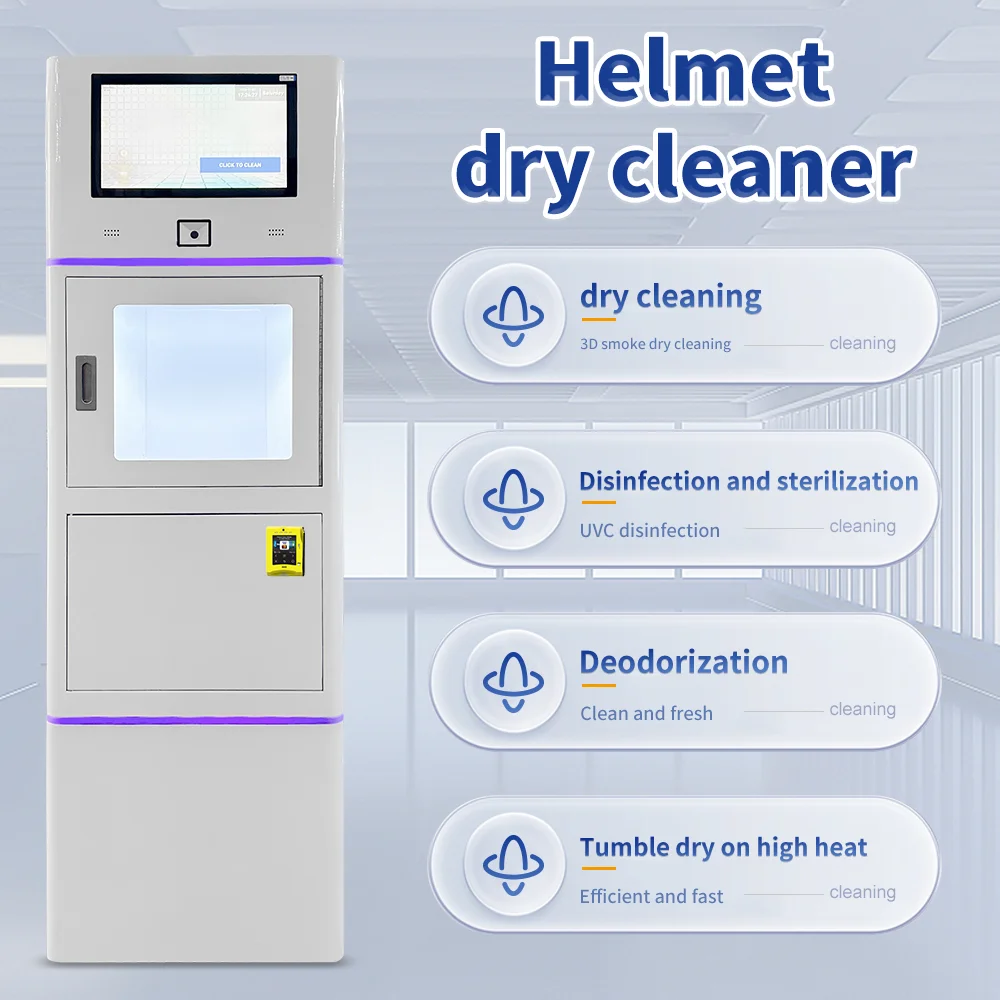
The effectiveness of helmet cleaning machines depends fundamentally on the precise implementation of UV-C sterilization technology, which must deliver adequate dosage while ensuring uniform distribution throughout the helmet interior. Professional-grade systems incorporate multiple UV-C lamps strategically positioned to eliminate shadowed areas and achieve complete microbial inactivation. Understanding the technical specifications and operational principles of this technology enables facility managers and safety coordinators to select equipment that meets stringent hygiene requirements across diverse industrial environments.
Technical Fundamentals of UV-C Sterilization in Helmet Cleaning
Wavelength Specifications and Germicidal Efficacy
UV-C sterilization technology operates within the 200-280 nanometer wavelength range, with peak germicidal effectiveness occurring at 254 nanometers. This specific wavelength penetrates microbial cell membranes and directly attacks nucleic acids, causing irreversible damage to DNA and RNA structures. The photochemical process creates thymine dimers in bacterial DNA, preventing cellular replication and effectively neutralizing pathogens without chemical residues or harmful byproducts.
Professional helmet cleaning machines utilize low-pressure mercury vapor lamps that emit concentrated UV-C energy at the optimal germicidal wavelength. These specialized lamps generate sufficient irradiance to achieve log-4 to log-6 reduction in bacterial populations within typical exposure cycles. The technology's effectiveness against common helmet contaminants, including Staphylococcus aureus, Escherichia coli, and various fungal species, has been extensively validated through laboratory testing and field applications.
Advanced systems incorporate reflective surfaces and optical designs that maximize UV-C distribution throughout helmet interiors. Aluminum reflectors with specialized coatings enhance light uniformity while preventing hot spots that could damage helmet materials. The integration of multiple lamp configurations ensures comprehensive coverage of curved surfaces, padding areas, and ventilation channels where bacteria typically accumulate during extended wear periods.
Dosage Calculation and Exposure Parameters
Effective UV-C sterilization technology requires precise dosage calculations based on target microorganism resistance levels and helmet surface characteristics. The germicidal dose, measured in millijoules per square centimeter, depends on lamp intensity, exposure time, and distance from UV-C sources. Professional helmet cleaning machines typically deliver doses ranging from 15-40 mJ/cm² to achieve comprehensive bacterial elimination while maintaining cycle efficiency.
Dosage uniformity across helmet surfaces requires sophisticated optical engineering and lamp positioning strategies. Modern systems incorporate multiple UV-C sources with overlapping irradiation patterns to minimize shadowing effects and ensure consistent exposure levels. Digital control systems monitor lamp output and adjust exposure times to compensate for lamp aging and environmental variations, maintaining consistent disinfection performance throughout equipment lifespan.
Temperature and humidity conditions significantly influence UV-C sterilization technology effectiveness in helmet cleaning applications. Optimal performance occurs within specific environmental parameters, typically 20-25°C with relative humidity below 60%. Advanced machines integrate environmental monitoring systems that adjust operational parameters to maintain peak germicidal efficacy while preventing condensation that could interfere with UV-C transmission.
Lamp Technology and System Design Integration
Mercury Vapor Lamp Characteristics
Low-pressure mercury vapor lamps represent the standard for UV-C sterilization technology in professional helmet cleaning equipment, delivering consistent germicidal output with excellent energy efficiency. These lamps convert electrical energy into UV-C radiation through mercury vapor excitation, producing narrow-band emission centered at 253.7 nanometers. The monochromatic output ensures maximum germicidal effectiveness while minimizing energy waste in non-productive wavelengths.
Lamp construction features include specialized quartz envelopes that transmit UV-C radiation while containing mercury vapor under controlled pressure conditions. High-quality lamps incorporate phosphor coatings that optimize light distribution and extend operational lifespan beyond 8,000 hours of continuous operation. Premium UV-C sterilization technology systems utilize instant-start electronic ballasts that eliminate warm-up delays and provide stable lamp operation across varying environmental conditions.
Lamp positioning strategies within helmet cleaning chambers require careful consideration of geometric factors and irradiance distribution patterns. Multiple lamp configurations, including linear arrays and curved arrangements, accommodate different helmet shapes and sizes while maintaining uniform UV-C exposure. Advanced systems incorporate adjustable lamp assemblies that optimize positioning for specific helmet types, ensuring comprehensive coverage of all interior surfaces and accessories.
Optical Design and Reflector Systems
Sophisticated reflector systems multiply the effectiveness of UV-C sterilization technology by redirecting and concentrating germicidal radiation throughout helmet cleaning chambers. Specular aluminum reflectors with protective coatings maintain high reflectivity levels while resisting degradation from continuous UV-C exposure. Parabolic and elliptical reflector geometries focus UV-C energy into specific zones while maintaining uniform irradiance distribution across complex helmet surfaces.
Mirror-finish stainless steel chamber construction provides additional reflective surfaces that enhance UV-C distribution and eliminate absorption losses. Strategic placement of reflective elements creates multiple light paths that reach shadowed areas and curved surfaces where bacteria commonly accumulate. The integration of diffusive reflectors prevents harmful hot spots while ensuring adequate UV-C intensity for effective microbial inactivation.
Advanced optical designs incorporate computer modeling and ray-tracing analysis to optimize reflector positioning and lamp placement. These sophisticated systems achieve irradiance uniformity ratios exceeding 80%, ensuring consistent disinfection performance across all helmet surfaces. Modular reflector assemblies enable field adjustments and maintenance while preserving optical alignment critical for peak UV-C sterilization technology performance.
Microbial Inactivation Mechanisms and Effectiveness
DNA and RNA Disruption Processes
UV-C sterilization technology achieves microbial inactivation through direct photochemical damage to nucleic acid structures within bacterial, viral, and fungal cells. The 254-nanometer wavelength penetrates cell walls and membranes, causing adjacent thymine bases in DNA to form covalent bonds known as thymine dimers. This structural damage prevents normal DNA replication and transcription processes, effectively neutralizing pathogen reproductive capacity without chemical intervention.
The mechanism extends beyond DNA damage to include RNA disruption in viruses and other microorganisms that rely on ribonucleic acid for genetic information storage and protein synthesis. UV-C photons break hydrogen bonds and create cross-linkages that render RNA molecules non-functional, preventing viral replication and eliminating infectious capacity. This dual-target approach ensures comprehensive pathogen inactivation across diverse microbial species commonly found in helmet environments.
Protein denaturation represents an additional inactivation mechanism where UV-C energy disrupts amino acid structures and enzyme function within microbial cells. This process complements nucleic acid damage by destroying cellular machinery necessary for metabolism and reproduction. The combination of genetic and enzymatic disruption creates multiple failure points that ensure thorough microbial elimination even with brief exposure periods typical of helmet cleaning cycles.
Pathogen-Specific Susceptibility Profiles
Different microorganisms exhibit varying susceptibility levels to UV-C sterilization technology, requiring adjusted dosages and exposure times for complete inactivation. Vegetative bacteria, including common helmet contaminants like Staphylococcus epidermidis and Propionibacterium acnes, typically require doses of 6-10 mJ/cm² for log-4 reduction. Gram-positive bacteria generally show slightly higher resistance due to thicker cell wall structures, while gram-negative species respond more readily to UV-C treatment.
Viral pathogens demonstrate variable UV-C sensitivity based on genetic material type and structural characteristics. Enveloped viruses, such as influenza and coronaviruses, typically require lower doses due to membrane vulnerability, while non-enveloped viruses may need increased exposure levels. Fungal spores and yeasts present greater resistance, often requiring doses exceeding 20 mJ/cm² for effective inactivation, particularly for species like Candida albicans commonly associated with helmet moisture retention.
Bacterial spores represent the most resistant microorganisms, requiring substantially higher UV-C doses and extended exposure times for complete elimination. Professional helmet cleaning systems must account for these resistance variations by delivering sufficient dosage margins to ensure comprehensive pathogen inactivation across all potential contamination scenarios. Advanced UV-C sterilization technology incorporates dosage verification systems that confirm adequate exposure levels for target microorganism elimination.
Safety Integration and Operational Protocols
Human Safety Protection Systems
Professional UV-C sterilization technology implementations require comprehensive safety systems to prevent human exposure to germicidal radiation during helmet cleaning operations. Interlocked chamber designs ensure UV-C lamps activate only when doors are securely closed and safety sensors confirm absence of personnel access. Photoelectric sensors monitor chamber integrity and immediately shut down UV-C sources if unauthorized access occurs during sterilization cycles.
Administrative controls complement engineering safeguards through comprehensive operator training programs and standardized operational procedures. Personnel receive certification in UV-C safety principles, emergency response protocols, and proper equipment maintenance practices. Clear labeling and warning systems communicate radiation hazards while establishing restricted access zones around helmet cleaning equipment during operational periods.
Personal protective equipment requirements include UV-blocking safety glasses and protective clothing for maintenance personnel who may encounter UV-C sources during lamp replacement or system servicing. Emergency shutdown systems provide immediate UV-C source deactivation through multiple redundant pathways, including manual emergency stops, automatic safety interlocks, and remote monitoring capabilities that enable rapid response to safety concerns.
Material Compatibility and Preservation
Modern helmet materials, including advanced polymers, carbon fiber composites, and specialized padding systems, require careful evaluation for UV-C sterilization technology compatibility. Extended UV-C exposure can potentially degrade certain plastic materials through photochemical reactions that weaken molecular bonds and alter surface characteristics. Professional cleaning systems incorporate exposure limits and wavelength filtering to prevent material damage while maintaining germicidal effectiveness.
Polycarbonate and ABS helmet shells demonstrate excellent UV-C resistance when exposed within recommended dosage parameters, typically showing no measurable degradation after thousands of sterilization cycles. However, certain foam padding materials and flexible gaskets may require periodic replacement due to gradual UV-C-induced changes in material properties. Advanced systems monitor accumulated UV-C exposure and provide maintenance alerts to ensure continued helmet performance and safety compliance.
Quality assurance protocols include regular material testing and visual inspections to identify any UV-C-related degradation in helmet components. Spectroscopic analysis and mechanical testing verify continued material integrity while establishing replacement schedules for consumable components. This comprehensive approach ensures UV-C sterilization technology enhances helmet hygiene without compromising protective equipment reliability or user safety.
Performance Validation and Quality Assurance
Microbiological Testing Protocols
Validation of UV-C sterilization technology effectiveness requires rigorous microbiological testing using standardized protocols and calibrated bacterial indicators. Professional helmet cleaning systems undergo performance verification using spore strips containing known quantities of resistant microorganisms, typically Bacillus subtilis or Geobacillus stearothermophilus. These biological indicators provide definitive proof of sterilization capability under actual operating conditions.
Environmental monitoring programs track microbial contamination levels on helmet surfaces before and after UV-C treatment, quantifying log-reduction values achieved during routine operations. Swab sampling and culture techniques identify surviving microorganisms and verify complete pathogen elimination across all helmet surfaces and accessories. Statistical analysis of test results establishes confidence intervals and demonstrates consistent performance over extended operational periods.
Third-party laboratory validation provides independent verification of UV-C sterilization technology performance against specific pathogens relevant to helmet contamination scenarios. Standardized test methods, including ASTM and EPA protocols, ensure reproducible results and regulatory compliance. Regular revalidation maintains performance certification while accommodating system modifications, lamp replacements, and operational parameter changes.
Dosimetry and Irradiance Monitoring
Precise dosimetry systems measure actual UV-C irradiance levels throughout helmet cleaning chambers, verifying uniform distribution and adequate intensity for microbial inactivation. Calibrated UV-C sensors positioned at multiple chamber locations provide real-time feedback on lamp performance and optical system effectiveness. Digital data logging systems record dosage delivery and maintain historical performance records for quality assurance documentation.
Irradiance mapping procedures establish baseline performance characteristics and identify any degradation in UV-C sterilization technology effectiveness over time. Portable dosimeters enable field verification of system performance while handheld irradiance meters provide spot-check capabilities for routine maintenance. Advanced systems incorporate automated dosimetry with alarm functions that alert operators to performance deviations requiring corrective action.
Lamp aging compensation algorithms adjust exposure times to maintain consistent germicidal dosage as UV-C sources gradually decline in output over operational lifespans. Predictive maintenance scheduling based on cumulative operating hours and performance monitoring prevents sterilization failures while optimizing lamp replacement intervals. This comprehensive approach ensures sustained UV-C sterilization technology effectiveness throughout equipment service life.
FAQ
How long does UV-C sterilization technology take to eliminate bacteria in helmet cleaning machines?
Professional UV-C sterilization technology typically requires 3-8 minutes to achieve complete bacterial elimination in helmet cleaning applications, depending on target microorganisms and system specifications. Most commercial systems deliver sufficient germicidal dosage within 5 minutes to achieve log-4 to log-6 bacterial reduction. Advanced systems with high-intensity UV-C sources can complete sterilization cycles in as little as 2-3 minutes while maintaining comprehensive pathogen inactivation.
What safety measures protect operators from UV-C radiation exposure during helmet cleaning?
Modern helmet cleaning machines incorporate multiple safety systems including interlocked chambers that prevent UV-C activation when doors are open, photoelectric sensors that monitor chamber integrity, and emergency shutdown controls. Administrative safeguards include operator training, protective equipment requirements, and restricted access protocols. These comprehensive safety measures ensure zero risk of harmful UV-C exposure during normal operations while maintaining peak sterilization performance.
Does UV-C sterilization technology damage helmet materials during repeated cleaning cycles?
Properly calibrated UV-C sterilization technology systems cause no measurable damage to modern helmet materials when operated within recommended exposure parameters. Polycarbonate shells, ABS plastics, and advanced foam padding demonstrate excellent UV-C resistance through thousands of sterilization cycles. Professional systems monitor cumulative exposure and incorporate material-safe dosage limits that ensure continued helmet integrity while achieving complete microbial elimination.
How do you verify that UV-C sterilization technology is working effectively?
Verification methods include biological indicator testing using standardized spore strips, environmental swab sampling to measure microbial reduction, and dosimetry monitoring to confirm adequate UV-C exposure levels. Professional systems incorporate automated performance monitoring with real-time irradiance measurement and historical data logging. Regular third-party validation testing provides independent confirmation of sterilization effectiveness against specific pathogens relevant to helmet contamination scenarios.
Table of Contents
- Technical Fundamentals of UV-C Sterilization in Helmet Cleaning
- Lamp Technology and System Design Integration
- Microbial Inactivation Mechanisms and Effectiveness
- Safety Integration and Operational Protocols
- Performance Validation and Quality Assurance
-
FAQ
- How long does UV-C sterilization technology take to eliminate bacteria in helmet cleaning machines?
- What safety measures protect operators from UV-C radiation exposure during helmet cleaning?
- Does UV-C sterilization technology damage helmet materials during repeated cleaning cycles?
- How do you verify that UV-C sterilization technology is working effectively?