 EN
EN
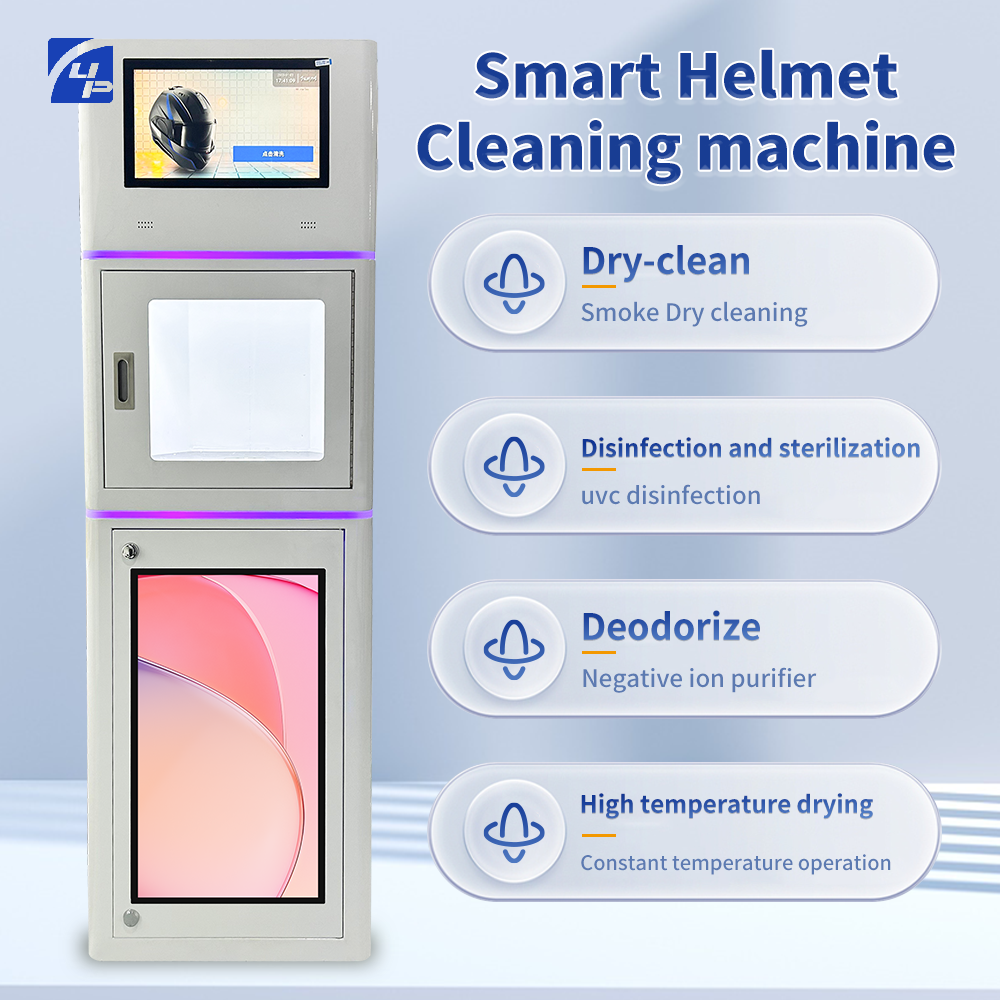
Modern retail environments are increasingly adopting automated solutions to enhance customer convenience and operational efficiency. A smart vending machine represents a significant investment in automated retail technology, offering businesses the opportunity to serve customers around the clock while minimizing labor costs. However, maintaining the security and operational integrity of these sophisticated devices requires careful planning, regular maintenance, and implementation of robust security protocols. Understanding the essential strategies for protecting and maintaining your smart vending machine ensures maximum return on investment while delivering consistent customer satisfaction.
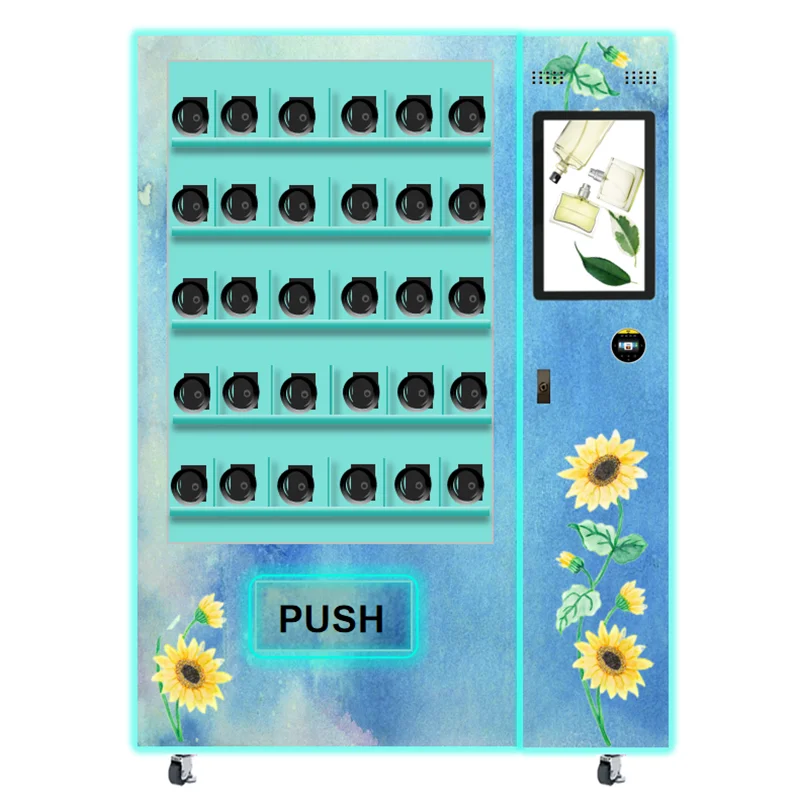
Physical Security Measures for Smart Vending Machines
Robust Construction and Tamper-Resistant Design
The foundation of smart vending machine security begins with selecting units that feature reinforced construction and tamper-resistant components. High-quality machines incorporate heavy-duty steel frames, reinforced glass fronts, and secure locking mechanisms that deter vandalism and theft attempts. These physical barriers serve as the first line of defense against unauthorized access to both products and cash compartments.
Advanced smart vending machine models include anti-theft sensors that detect unusual vibrations, impacts, or tilting movements. When triggered, these sensors can immediately alert operators through connected monitoring systems and potentially activate deterrent mechanisms such as alarm sounds or strobe lights. The integration of these features significantly reduces the likelihood of successful theft attempts and provides valuable evidence in case of incidents.
Strategic Placement and Environmental Considerations
Location selection plays a crucial role in maintaining smart vending machine security and operational stability. Optimal placement involves areas with natural surveillance, adequate lighting, and regular foot traffic during operating hours. High-visibility locations not only deter criminal activity but also encourage legitimate customer usage, maximizing revenue potential while maintaining security standards.
Environmental factors such as weather protection, temperature control, and stable power supply must be carefully evaluated during placement. A well-positioned smart vending machine should be sheltered from extreme weather conditions that could damage electronic components or compromise structural integrity. Additionally, ensuring access to reliable electrical connections prevents operational disruptions that could lead to product spoilage or system failures.
Advanced Digital Security Protocols
Network Security and Data Protection
Modern smart vending machine systems rely heavily on network connectivity for inventory management, payment processing, and remote monitoring capabilities. Implementing robust cybersecurity measures protects sensitive customer data, financial transactions, and operational information from potential breaches. This includes utilizing encrypted communication protocols, secure payment gateways, and regular security updates to address emerging threats.
Network access controls should restrict unauthorized connections while ensuring legitimate operational communications remain uninterrupted. Virtual private networks (VPNs) and firewall configurations provide additional layers of protection against cyber attacks targeting smart vending machine networks. Regular security audits and penetration testing help identify vulnerabilities before they can be exploited by malicious actors.
Payment System Security and Compliance
Payment processing represents one of the most critical security aspects of any smart vending machine operation. Compliance with Payment Card Industry Data Security Standards (PCI DSS) ensures that customer payment information is processed and stored securely. This involves implementing end-to-end encryption for all transactions, maintaining secure key management practices, and regularly updating payment software to address security vulnerabilities.
Multi-factor authentication systems for administrative access prevent unauthorized personnel from accessing sensitive payment data or modifying transaction parameters. Additionally, implementing transaction monitoring systems helps detect unusual payment patterns that might indicate fraudulent activity or system compromises, enabling rapid response to potential security incidents.
Preventive Maintenance Strategies
Scheduled Component Inspection and Replacement
Regular maintenance schedules are essential for ensuring optimal smart vending machine performance and preventing costly breakdowns. Comprehensive inspection protocols should cover all mechanical components, including product dispensing mechanisms, coin and bill acceptors, refrigeration systems, and touchscreen interfaces. Identifying wear patterns and potential failure points before they cause operational disruptions minimizes downtime and maintains customer satisfaction.
Proactive component replacement based on manufacturer recommendations and usage patterns extends equipment lifespan while reducing emergency repair costs. Maintaining detailed maintenance logs helps identify recurring issues and optimize service schedules for maximum efficiency. This systematic approach to smart vending machine maintenance ensures consistent performance and reduces the likelihood of unexpected failures during peak operating periods.
Software Updates and System Optimization
Software maintenance represents an equally important aspect of smart vending machine operations, requiring regular updates to operating systems, payment processing software, and inventory management applications. These updates often include security patches, performance improvements, and new features that enhance overall system functionality and user experience.
System optimization involves analyzing operational data to identify bottlenecks, inefficiencies, and opportunities for improvement. This might include adjusting product selection algorithms based on sales patterns, optimizing energy consumption during low-usage periods, or fine-tuning user interface elements to improve customer interaction efficiency. Regular performance monitoring ensures that smart vending machine systems continue operating at peak efficiency throughout their service life.
Remote Monitoring and Alert Systems
Real-Time Operational Monitoring
Advanced smart vending machine systems incorporate comprehensive monitoring capabilities that provide real-time insights into operational status, inventory levels, and system health. These monitoring systems enable operators to track multiple machines from a centralized location, identifying issues before they impact customer service or revenue generation. Automated alerts notify operators of low inventory, mechanical problems, or security incidents, enabling prompt response and resolution.
Integration with mobile applications and web-based dashboards allows operators to monitor smart vending machine performance from any location with internet access. This flexibility enables rapid response to issues regardless of operator location, minimizing downtime and maintaining consistent service availability. Historical data analysis helps identify trends and patterns that inform strategic decisions about maintenance scheduling, product selection, and placement optimization.
Predictive Analytics and Maintenance Forecasting
Sophisticated smart vending machine monitoring systems utilize predictive analytics to forecast maintenance needs based on usage patterns, environmental conditions, and component wear rates. This proactive approach enables operators to schedule maintenance activities during optimal windows, minimizing disruption to customer service while preventing unexpected failures.
Machine learning algorithms analyze operational data to identify subtle changes in performance that might indicate developing issues. Early detection of potential problems allows for targeted interventions that prevent minor issues from escalating into major failures. This predictive maintenance approach significantly reduces total cost of ownership while maximizing smart vending machine availability and performance.
Inventory Management and Product Security
Automated Inventory Tracking Systems
Effective inventory management is crucial for maintaining smart vending machine profitability and customer satisfaction. Automated tracking systems monitor product levels in real-time, generating alerts when restocking is required and providing detailed sales analytics that inform product selection decisions. These systems help optimize inventory turnover while minimizing out-of-stock situations that disappoint customers and reduce revenue.
Advanced inventory management features include expiration date tracking for perishable items, automatic pricing adjustments based on demand patterns, and integration with supplier systems for streamlined reordering processes. Smart vending machine operators can leverage this data to optimize product mix, adjust pricing strategies, and identify the most profitable items for each location.
Product Quality and Temperature Control
Maintaining product quality requires careful attention to storage conditions, particularly for food and beverage items that require refrigeration or climate control. Smart vending machine systems should include robust temperature monitoring with automated alerts when conditions fall outside acceptable ranges. This ensures product safety and quality while preventing losses due to spoilage or contamination.
Regular cleaning and sanitization protocols maintain hygiene standards and prevent the buildup of contaminants that could compromise product quality or create health risks. These procedures should be documented and followed consistently to ensure compliance with local health regulations and maintain customer confidence in smart vending machine offerings.
Emergency Response and Contingency Planning
Incident Response Procedures
Developing comprehensive incident response procedures ensures rapid and effective handling of security breaches, equipment failures, or other emergencies affecting smart vending machine operations. Clear protocols should define roles and responsibilities, communication channels, and escalation procedures for different types of incidents. Regular training ensures that all personnel understand their responsibilities and can execute response procedures effectively when needed.
Documentation of incident response activities provides valuable learning opportunities and helps refine procedures for future events. Post-incident analysis should identify root causes, evaluate response effectiveness, and recommend improvements to prevent similar occurrences. This continuous improvement approach strengthens overall smart vending machine security and operational resilience.
Business Continuity and Backup Systems
Business continuity planning addresses potential disruptions to smart vending machine operations and identifies strategies for maintaining service during adverse conditions. This includes backup power systems for critical locations, alternative communication methods when primary networks are unavailable, and contingency plans for supply chain disruptions or personnel shortages.
Redundant systems and failover capabilities ensure that smart vending machine operations can continue even when primary systems experience failures. This might include backup payment processing systems, alternative network connections, or portable equipment that can temporarily replace failed units. Comprehensive business continuity planning minimizes revenue losses and maintains customer service levels during challenging situations.
FAQ
How often should I perform maintenance on my smart vending machine?
Regular maintenance should be performed weekly for basic cleaning and inspection, monthly for detailed component checks, and quarterly for comprehensive system analysis. However, specific maintenance intervals may vary based on usage volume, environmental conditions, and manufacturer recommendations. High-traffic locations or harsh environments may require more frequent attention to maintain optimal performance.
What are the most common security threats to smart vending machines?
The most common security threats include physical vandalism, cash theft, product theft, payment card skimming, and cyber attacks targeting network connections. Implementing multiple layers of security including physical barriers, surveillance systems, secure payment processing, and network security protocols helps mitigate these risks effectively.
How can I monitor multiple smart vending machines efficiently?
Centralized monitoring systems with real-time dashboards allow operators to track multiple machines simultaneously from a single location. Mobile applications provide remote access to monitoring data, while automated alert systems notify operators of issues requiring immediate attention. This technology-driven approach enables efficient management of large smart vending machine networks.
What should I do if my smart vending machine experiences a payment system failure?
Payment system failures require immediate attention to restore customer service and prevent revenue loss. First, check network connections and power supply, then contact your payment processor for technical support. Implement backup payment methods if available, and post clear signage informing customers of the situation. Document the incident for analysis and future prevention efforts.