 EN
EN
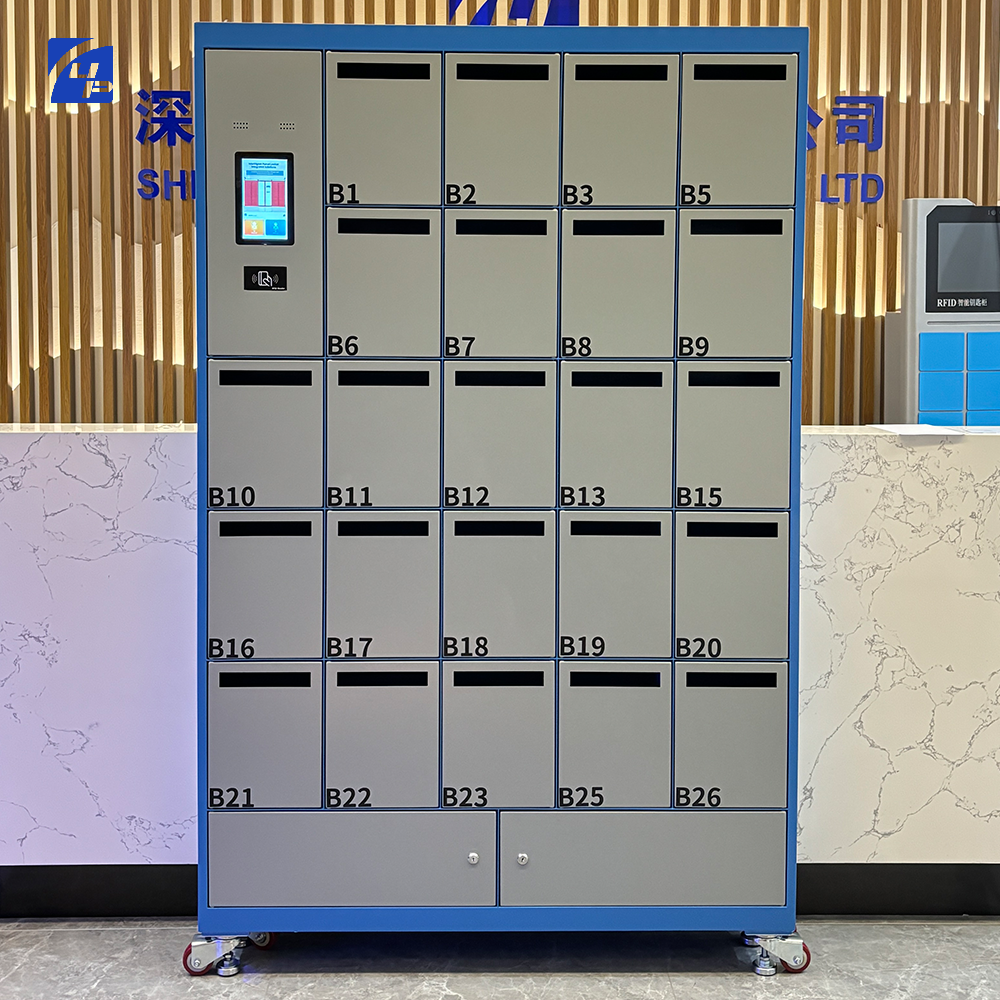
The evolution of retail technology has brought us to an era where smart vending machines are revolutionizing the way consumers access products across diverse environments. These intelligent dispensing systems represent a significant leap forward from traditional vending solutions, incorporating advanced technologies such as touchscreen interfaces, cashless payment systems, and real-time inventory management. Smart vending machines are now capable of adapting their operations, product offerings, and user experiences to meet the specific demands of different locations and consumer preferences, making them an increasingly valuable asset for businesses seeking to expand their reach and enhance customer satisfaction.
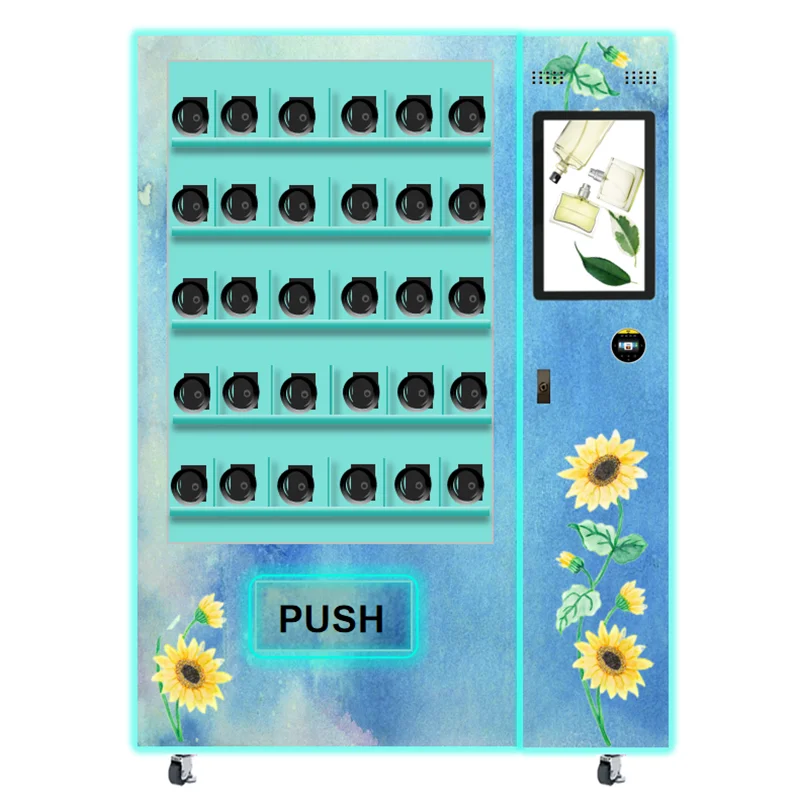
Location-Specific Adaptability Features
Geographic and Climate Considerations
Modern smart vending machines demonstrate remarkable adaptability to various geographic locations and climate conditions. These machines incorporate sophisticated environmental sensors that monitor temperature, humidity, and other atmospheric conditions to optimize product storage and dispensing mechanisms. In tropical climates, smart vending machines automatically adjust their cooling systems to maintain optimal product temperatures, while in colder regions, they may include heating elements to prevent freezing of liquid products. This geographic adaptability ensures that products remain fresh and appealing regardless of external weather conditions.
The geographic positioning also influences the machine's operational parameters, such as power consumption patterns and maintenance schedules. Smart vending machines in coastal areas may activate additional corrosion protection protocols, while those in dusty environments increase their filtration and cleaning cycles. This level of environmental responsiveness helps maintain machine longevity and ensures consistent product quality across diverse geographical locations.
Demographic and Cultural Adaptation
One of the most impressive aspects of smart vending machines is their ability to adapt to local demographic preferences and cultural nuances. These machines can analyze purchasing patterns and demographic data to adjust their product mix according to regional tastes and cultural preferences. For instance, machines located in areas with specific dietary restrictions or cultural food preferences can automatically prioritize relevant products while reducing inventory of less popular items.
Language localization is another crucial adaptation feature that allows smart vending machines to serve diverse communities effectively. The touchscreen interfaces can switch between multiple languages based on user selection or location settings, ensuring accessibility for international customers and local populations alike. This cultural adaptability extends to payment methods as well, with machines capable of accepting various regional payment systems and currencies.
Consumer Behavior Analysis and Customization
Real-Time Purchase Pattern Recognition
Advanced smart vending machines employ sophisticated algorithms to analyze consumer behavior patterns in real-time, enabling them to adapt their operations dynamically. These systems track purchasing frequency, time-of-day preferences, seasonal variations, and product combinations to optimize inventory management and product placement. By analyzing these patterns, smart vending machines can predict demand fluctuations and adjust their stock levels accordingly, reducing waste while ensuring popular items remain available.
The behavioral analysis capabilities extend to individual user preferences when customers use loyalty cards or mobile applications. Smart vending machines can remember previous purchases and suggest complementary products or offer personalized promotions based on historical buying behavior. This level of personalization enhances the customer experience while increasing sales conversion rates.
Dynamic Pricing and Promotional Strategies
Smart vending machines possess the capability to implement dynamic pricing strategies based on various factors including time of day, demand levels, inventory status, and competitive pricing in the area. During peak hours or high-demand periods, prices may adjust automatically to optimize revenue, while off-peak times might trigger promotional pricing to encourage sales and reduce inventory buildup.
These machines can also execute targeted promotional campaigns based on consumer behavior analysis and location-specific events. For example, during local sports events or festivals, smart vending machines can promote relevant snacks and beverages while adjusting pricing to match the increased demand. This dynamic approach to pricing and promotions allows operators to maximize profitability while providing value to consumers.
Technology Integration and User Interface Adaptation
Touchscreen Customization and Accessibility
The user interface of smart vending machines represents a critical adaptation point that can be customized based on location requirements and user demographics. These machines feature high-resolution touchscreens that can be programmed to display different interface designs, color schemes, and navigation layouts depending on the target audience. Healthcare facilities might require more sanitized interaction options, while entertainment venues could benefit from more vibrant and engaging visual presentations.
Accessibility features are also integral to the adaptive capabilities of smart vending machines. These systems can adjust screen brightness, text size, and contrast levels to accommodate users with visual impairments. Audio assistance features can provide voice guidance for visually impaired customers, while the interface height and button placement can be optimized for wheelchair accessibility in compliance with local accessibility regulations.
Payment System Flexibility
Modern smart vending machines excel in payment system adaptability, supporting multiple payment methods to cater to diverse consumer preferences and regional payment habits. These machines typically accept traditional cash and coins, credit and debit cards, contactless payments, mobile wallet applications, and even cryptocurrency in some progressive markets. The ability to adapt payment methods based on location demographics and technological adoption rates ensures maximum accessibility for all potential customers.
The payment system adaptation extends to security protocols and compliance requirements that vary by region. Smart vending machines automatically implement appropriate security measures and encryption standards based on local financial regulations, ensuring safe and compliant transactions regardless of location. This flexibility in payment processing makes these machines suitable for deployment in various international markets with different regulatory requirements.
Inventory Management and Product Customization
Automated Stock Optimization
Smart vending machines utilize advanced inventory management systems that continuously monitor stock levels and optimize product assortment based on location-specific demand patterns. These systems can automatically reorder products when inventory reaches predetermined thresholds, ensuring popular items remain available while minimizing overstock situations. The automation extends to seasonal adjustments, where machines can modify their product mix based on weather patterns, local events, and historical seasonal demand data.
The inventory optimization algorithms consider multiple factors including shelf life, storage requirements, profit margins, and customer preferences to determine the optimal product assortment for each location. Smart vending machines can even coordinate with nearby machines to balance inventory levels and share demand information, creating a network of interconnected systems that optimize overall performance across multiple locations.
Product Variety and Customization Options
The adaptability of smart vending machines extends to their ability to accommodate diverse product types and customization requirements. Modern machines can be configured to dispense everything from traditional snacks and beverages to electronics, pharmaceuticals, fresh foods, and even hot meals. The dispensing mechanisms can be adjusted to handle different product shapes, sizes, and fragility levels, making these machines suitable for virtually any retail application.
Customization capabilities also include the ability to offer product modifications or combinations based on customer preferences. Some smart vending machines can mix beverages to order, customize food preparations, or bundle products based on customer selections. This level of product customization was previously only available in traditional retail settings but is now accessible through intelligent vending solutions.
Maintenance and Operational Efficiency
Predictive Maintenance Systems
Smart vending machines incorporate sophisticated predictive maintenance systems that monitor component performance and predict potential failures before they occur. These systems analyze operational data including temperature fluctuations, mechanical wear patterns, electrical consumption, and usage frequency to identify components that may require attention. This proactive approach to maintenance ensures maximum uptime and reduces the likelihood of service interruptions that could negatively impact customer experience.
The predictive maintenance capabilities adapt to different operational environments and usage patterns. Machines in high-traffic locations may require more frequent maintenance checks, while those in controlled environments can operate with extended maintenance intervals. The system automatically adjusts maintenance schedules based on actual usage data and environmental conditions, optimizing operational efficiency while minimizing maintenance costs.
Remote Monitoring and Management
Advanced smart vending machines feature comprehensive remote monitoring and management capabilities that allow operators to oversee multiple machines across different locations from a centralized platform. These systems provide real-time data on sales performance, inventory levels, machine status, and customer interactions, enabling operators to make informed decisions about product assortment, pricing strategies, and maintenance scheduling.
The remote management capabilities include the ability to update software, modify configurations, and deploy new features without requiring physical access to the machines. This functionality is particularly valuable for machines deployed in remote or secure locations where physical access may be limited or costly. Remote management also enables rapid response to issues and the ability to implement changes across multiple locations simultaneously.
Future Trends and Emerging Capabilities
Artificial Intelligence Integration
The future of smart vending machines lies in deeper integration of artificial intelligence technologies that will further enhance their adaptability and performance. Machine learning algorithms are being developed to provide more sophisticated consumer behavior analysis, enabling machines to anticipate customer needs and preferences with greater accuracy. These AI systems will be capable of learning from interaction patterns and continuously improving their recommendations and operational parameters.
AI integration will also enable smart vending machines to participate in broader ecosystem interactions, such as coordinating with mobile applications, social media platforms, and other retail channels to create seamless omnichannel experiences. The machines will be able to recognize returning customers, remember their preferences, and provide personalized service that rivals traditional retail experiences.
Sustainability and Environmental Adaptation
Future smart vending machines will incorporate enhanced sustainability features and environmental adaptation capabilities. These machines will be designed to optimize energy consumption based on usage patterns and environmental conditions, potentially incorporating solar panels, energy recovery systems, and smart grid integration to minimize their environmental impact. The machines will also be capable of adapting to local recycling programs and waste management requirements.
Environmental adaptation will extend to product offerings as well, with machines capable of promoting eco-friendly products, supporting local suppliers, and adjusting their operations to align with sustainability goals. This environmental consciousness will become increasingly important as consumers and businesses prioritize sustainability in their purchasing decisions.
FAQ
How do smart vending machines determine what products to stock in different locations
Smart vending machines use advanced analytics to determine optimal product assortments for specific locations by analyzing multiple data sources including historical sales data, demographic information, local events, seasonal patterns, and real-time purchasing behavior. The machines continuously monitor which products are purchased most frequently and at what times, then use this information to optimize inventory levels and product selection. Additionally, they can integrate with external data sources such as weather forecasts, local event schedules, and demographic databases to predict demand patterns and adjust product offerings accordingly.
What payment methods can smart vending machines accept and how do they adapt to different regions
Modern smart vending machines support a wide variety of payment methods including cash, credit and debit cards, contactless payments like NFC and tap-to-pay, mobile wallets such as Apple Pay and Google Pay, QR code payments, and even cryptocurrency in some markets. The machines can be configured to accept different regional payment methods and currencies based on their deployment location. They automatically implement appropriate security protocols and compliance measures required by local financial regulations, ensuring secure transactions regardless of the payment method used.
How do smart vending machines maintain product quality across different environmental conditions
Smart vending machines employ sophisticated environmental control systems that automatically adjust to maintain optimal storage conditions for different product types. These systems include temperature control with multiple zones for different products, humidity regulation, air circulation systems, and protection against external environmental factors. The machines monitor internal conditions continuously and can adjust cooling or heating systems, activate protective measures against dust or moisture, and even alert operators if conditions fall outside acceptable parameters for product quality maintenance.
Can smart vending machines be customized for specific industries or specialized products
Yes, smart vending machines offer extensive customization options to accommodate various industries and specialized products. They can be configured with different dispensing mechanisms for products ranging from small snacks to large electronics, temperature-controlled compartments for perishable items, secure dispensing systems for valuable or regulated products, and specialized interfaces for industry-specific requirements. The machines can also be programmed with industry-specific compliance features, specialized payment processing requirements, and custom user interfaces designed for particular business applications or customer demographics.
Table of Contents
- Location-Specific Adaptability Features
- Consumer Behavior Analysis and Customization
- Technology Integration and User Interface Adaptation
- Inventory Management and Product Customization
- Maintenance and Operational Efficiency
- Future Trends and Emerging Capabilities
-
FAQ
- How do smart vending machines determine what products to stock in different locations
- What payment methods can smart vending machines accept and how do they adapt to different regions
- How do smart vending machines maintain product quality across different environmental conditions
- Can smart vending machines be customized for specific industries or specialized products