 EN
EN
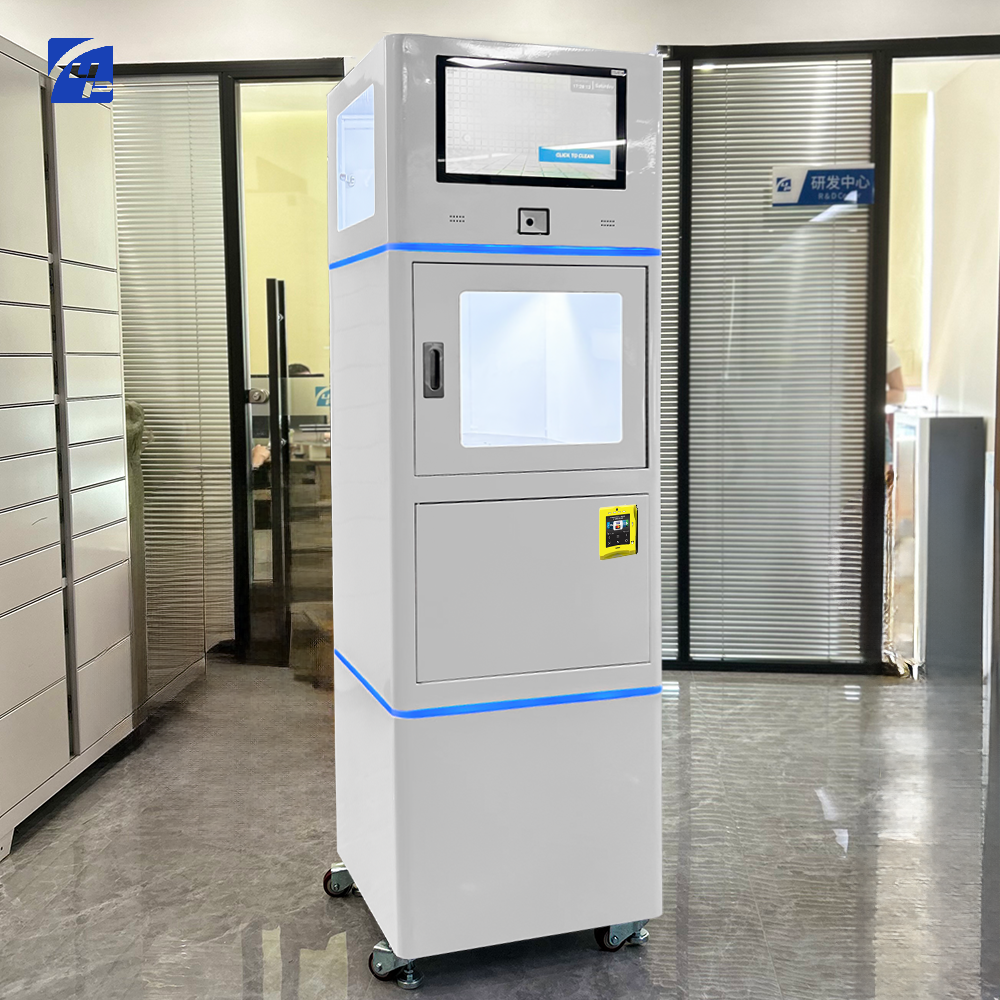
The retail landscape has undergone a dramatic transformation in recent years, with technology at the forefront of this evolution. Among the most significant innovations reshaping how businesses serve customers is the smart vending machine, a sophisticated piece of equipment that goes far beyond traditional snack dispensing. These advanced automated retail solutions are revolutionizing customer experiences while providing businesses with unprecedented opportunities for revenue growth and operational efficiency. A smart vending machine represents the convergence of artificial intelligence, IoT connectivity, and consumer convenience, creating a powerful tool that can adapt to market demands in real-time.
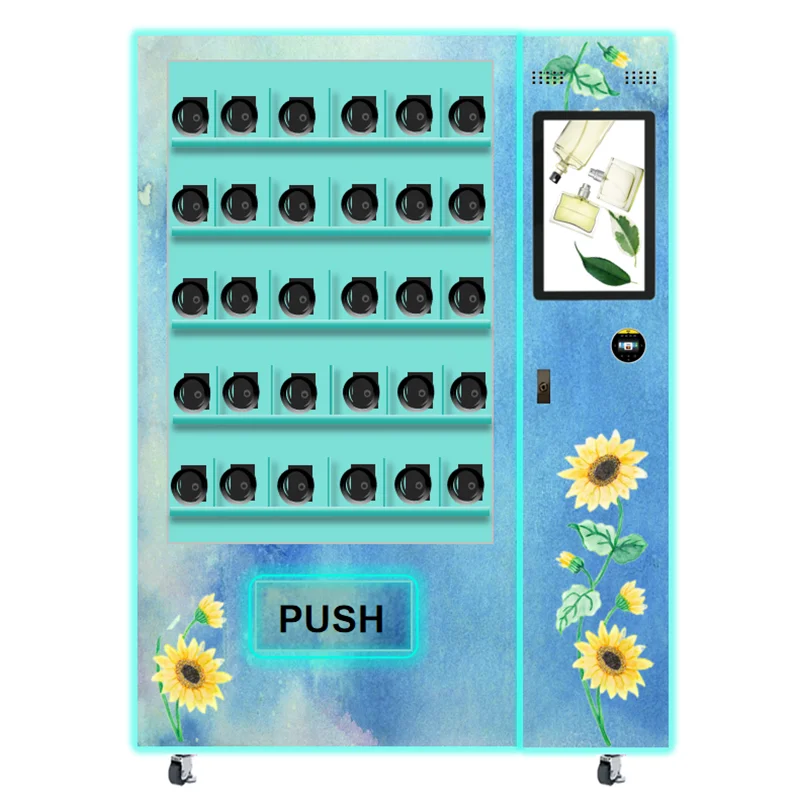
Advanced Technology Integration in Modern Retail Automation
Artificial Intelligence and Machine Learning Capabilities
The integration of artificial intelligence into vending technology has created machines that can learn from customer behavior patterns and adjust their operations accordingly. A smart vending machine equipped with AI algorithms can analyze purchasing trends, predict inventory needs, and even suggest optimal product placement within the unit. This level of intelligence allows businesses to maximize revenue potential by ensuring the most popular items are always available and prominently displayed. The machine learning capabilities enable continuous improvement in service delivery, as the system becomes more efficient at anticipating customer preferences over time.
Advanced sensors and cameras work in conjunction with AI software to monitor product levels, detect maintenance needs, and identify potential security issues before they become problems. This proactive approach to machine management reduces downtime and ensures consistent service availability. The smart vending machine can also adapt its pricing strategies based on demand patterns, time of day, or special events, optimizing profitability while maintaining competitive pricing for consumers.
Internet of Things Connectivity and Remote Management
IoT connectivity transforms traditional vending into a networked retail solution that can be monitored and managed from anywhere in the world. A smart vending machine connected to the internet provides real-time data on sales performance, inventory levels, and operational status to business owners and operators. This connectivity enables rapid response to issues such as product shortages, technical malfunctions, or payment processing problems, significantly improving overall customer satisfaction.
Remote management capabilities allow operators to update product information, adjust pricing, and modify promotional displays without physically visiting each location. The ability to push software updates and security patches remotely ensures that every smart vending machine in a network maintains optimal performance and security standards. This centralized management approach reduces operational costs while improving service consistency across multiple locations.
Enhanced Customer Experience Through Interactive Technology
Touchscreen Interfaces and User-Friendly Design
Modern smart vending machines feature high-resolution touchscreen displays that provide an intuitive shopping experience similar to online retail platforms. These interfaces can showcase product information, nutritional data, promotional offers, and even customer reviews, helping consumers make informed purchasing decisions. The interactive nature of a smart vending machine creates engagement opportunities that traditional vending simply cannot match, leading to increased customer satisfaction and loyalty.
The user interface can be customized to reflect brand identity and create a cohesive shopping experience that aligns with company values and marketing objectives. Multi-language support ensures accessibility for diverse customer bases, while accessibility features accommodate users with varying abilities. The responsive design adapts to different user preferences and behaviors, creating a personalized shopping experience that encourages repeat purchases and positive word-of-mouth recommendations.
Multiple Payment Options and Security Features
Payment flexibility has become a critical factor in customer satisfaction, and smart vending machines excel in this area by accepting various payment methods including contactless cards, mobile payments, digital wallets, and traditional cash. The integration of secure payment processing ensures that customer financial information remains protected while enabling quick and convenient transactions. Biometric authentication options, such as fingerprint or facial recognition, can provide additional security layers for high-value transactions or age-restricted products.
Advanced encryption protocols and PCI compliance standards protect sensitive payment data, building customer trust and reducing liability for operators. The ability to process payments offline during network interruptions ensures uninterrupted service availability, while automatic reconciliation and reporting features simplify accounting processes. These security and payment features make a smart vending machine suitable for deployment in various environments, from corporate offices to public spaces.
Operational Efficiency and Business Intelligence
Real-Time Analytics and Performance Monitoring
The data collection capabilities of a smart vending machine provide valuable business intelligence that can inform strategic decisions and improve operational efficiency. Real-time analytics dashboards offer insights into sales patterns, product performance, peak usage times, and customer demographics, enabling data-driven decision making. This information helps businesses optimize product mix, adjust inventory levels, and identify opportunities for revenue growth or cost reduction.
Performance monitoring extends beyond sales data to include mechanical health, temperature control, and energy consumption metrics. Predictive maintenance algorithms can identify potential equipment failures before they occur, scheduling preventive maintenance during low-usage periods to minimize service disruption. The comprehensive monitoring capabilities of a smart vending machine ensure optimal performance while reducing unexpected repair costs and downtime.
Inventory Management and Supply Chain Optimization
Automated inventory tracking eliminates manual stock counting and reduces human error in supply chain management. A smart vending machine can automatically generate purchase orders when inventory reaches predetermined thresholds, ensuring continuous product availability while minimizing carrying costs. Integration with supplier systems enables seamless reordering processes and can negotiate better pricing through volume commitments and automated purchasing.
Advanced demand forecasting algorithms analyze historical data, seasonal trends, and external factors to predict future inventory needs accurately. This capability helps prevent both stockouts and overstock situations, optimizing cash flow and reducing waste from expired products. The ability to track product movement from supplier to consumer provides complete supply chain visibility, enabling better vendor management and quality control processes.
Market Expansion and Revenue Opportunities
Flexible Product Offerings and Dynamic Merchandising
The versatility of a smart vending machine allows businesses to adapt quickly to changing market conditions and customer preferences. Unlike traditional vending machines limited to specific product categories, smart systems can accommodate various item sizes, shapes, and types through configurable dispensing mechanisms. This flexibility enables operators to test new products, respond to seasonal demand changes, and capture emerging market opportunities without significant hardware modifications.
Dynamic merchandising capabilities allow real-time adjustment of product placement, pricing, and promotional displays based on performance data and market conditions. A smart vending machine can automatically promote slow-moving inventory through discounts or bundle offers, while featuring high-margin items during peak demand periods. This adaptive approach maximizes revenue potential while minimizing inventory waste and improving overall profitability.
Location Intelligence and Strategic Placement
Advanced location analytics help identify optimal placement opportunities for smart vending machines based on foot traffic patterns, demographic data, and competitive landscape analysis. Machine learning algorithms can predict the success potential of new locations by analyzing factors such as nearby businesses, transportation hubs, and seasonal variations in activity levels. This intelligence-driven approach to site selection significantly improves the likelihood of successful deployments and strong return on investment.
Geographic information systems integration enables operators to visualize market coverage, identify underserved areas, and plan expansion strategies effectively. The ability to analyze performance across multiple locations helps optimize the overall network by relocating underperforming units to more promising sites. This strategic approach to location management ensures that each smart vending machine operates in an environment conducive to success and profitability.
Future-Proofing Retail Operations
Scalability and Network Growth Management
The modular design of modern smart vending machines enables easy scaling of operations as business needs evolve. Cloud-based management platforms can accommodate networks ranging from single units to thousands of machines across multiple markets without significant infrastructure investments. This scalability makes smart vending an attractive option for businesses of all sizes, from entrepreneurs testing new market concepts to large corporations expanding their retail footprint.
Standardized hardware and software components simplify maintenance and support operations as networks grow, while centralized training and certification programs ensure consistent service quality across all locations. The ability to leverage economies of scale in purchasing, maintenance, and marketing becomes more pronounced as network size increases, improving overall profitability and competitive positioning in the automated retail market.
Integration with Broader Retail Ecosystems
A smart vending machine can seamlessly integrate with existing retail systems, loyalty programs, and e-commerce platforms to create omnichannel shopping experiences. Customers can use the same accounts, rewards points, and preferences across all touchpoints, creating consistency and encouraging cross-channel engagement. This integration capability makes smart vending a natural extension of existing retail operations rather than a standalone channel requiring separate management.
API connectivity enables third-party developers to create custom applications and integrations that extend machine functionality beyond basic vending operations. These integrations might include social media sharing, gamification elements, or specialized business applications that leverage the machine's interactive capabilities. The open architecture approach ensures that smart vending machines remain relevant and useful as technology continues to evolve and customer expectations change.
FAQ
What is the typical return on investment for a smart vending machine deployment
The return on investment for a smart vending machine varies depending on location, product mix, and operational efficiency, but most operators see positive cash flow within 12-18 months. Higher-traffic locations with optimized product selections can achieve ROI in as little as 6-8 months, while the advanced analytics and operational efficiency of smart systems typically improve profitability by 20-30% compared to traditional vending operations.
How does a smart vending machine handle maintenance and technical support
Smart vending machines feature predictive maintenance capabilities that monitor component health and performance metrics continuously. The system can identify potential issues before they cause service interruptions and automatically schedule maintenance visits during low-usage periods. Remote diagnostic capabilities allow technical support teams to resolve many issues without on-site visits, while comprehensive monitoring ensures rapid response when physical intervention is required.
What types of products work best in smart vending machine applications
Smart vending machines excel with products that benefit from detailed information display, temperature control, or impulse purchasing behavior. Popular categories include healthy snacks, beverages, personal care items, electronics accessories, and specialty foods. The key is matching product characteristics with location demographics and ensuring adequate margins to justify the enhanced technology investment compared to traditional vending solutions.
How secure are smart vending machines against cyber threats and physical tampering
Modern smart vending machines incorporate multiple security layers including encrypted communications, secure payment processing, tamper-resistant hardware, and continuous monitoring systems. Regular security updates and patches are deployed remotely to address emerging threats, while physical security features protect against vandalism and theft. Comprehensive logging and surveillance capabilities provide detailed audit trails for investigation purposes when incidents do occur.
Table of Contents
- Advanced Technology Integration in Modern Retail Automation
- Enhanced Customer Experience Through Interactive Technology
- Operational Efficiency and Business Intelligence
- Market Expansion and Revenue Opportunities
- Future-Proofing Retail Operations
-
FAQ
- What is the typical return on investment for a smart vending machine deployment
- How does a smart vending machine handle maintenance and technical support
- What types of products work best in smart vending machine applications
- How secure are smart vending machines against cyber threats and physical tampering