 EN
EN
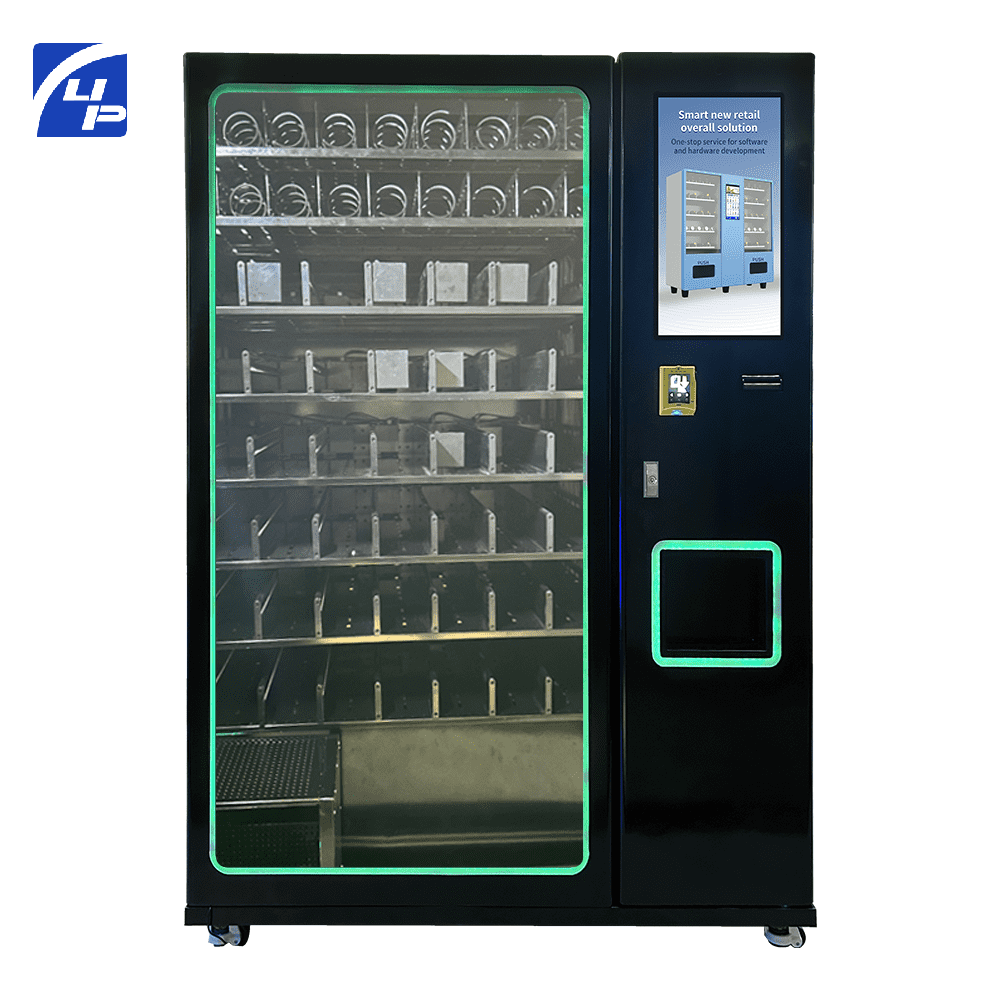
Selecting the right vending machine for your business location requires careful consideration of customer needs, space constraints, product variety demands, and revenue potential. Whether you operate in an office building, school, hospital, factory, or retail environment, the decision between a dedicated snack vending machine and a combo vending machine significantly impacts customer satisfaction and profitability. This comprehensive guide walks you through the critical factors that determine which vending machine type best serves your specific business context, helping you make an informed investment decision that maximizes operational efficiency and return on investment.
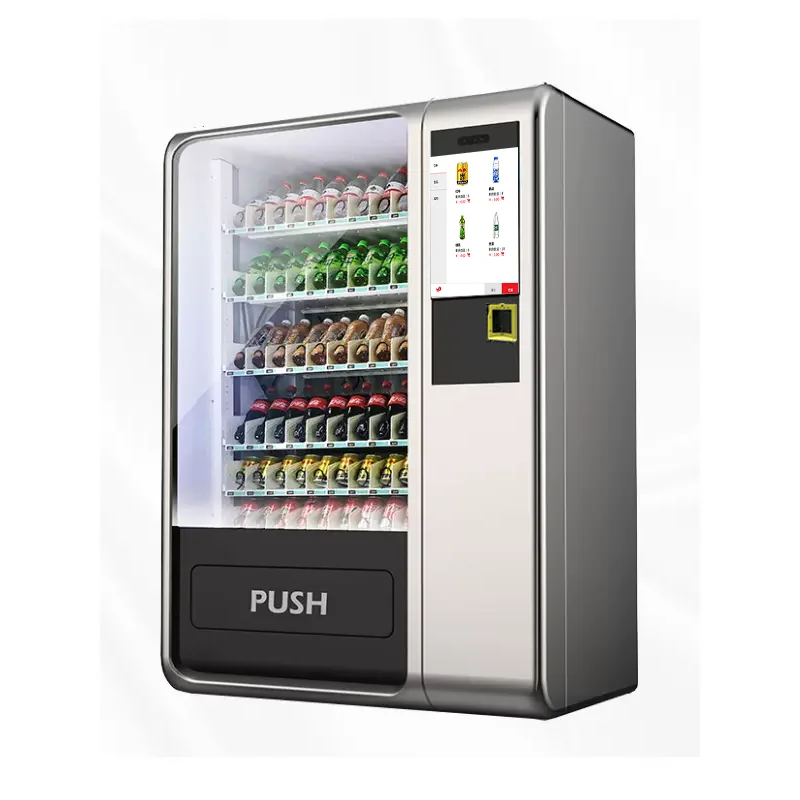
The choice between snack-only and combo vending machine models fundamentally depends on your target audience's consumption patterns, available floor space, initial capital budget, and the diversity of demand at your location. A snack vending machine specializes in delivering packaged food items like chips, candy bars, cookies, crackers, and pastries, offering simplicity in inventory management and maintenance. Conversely, a combo vending machine integrates both snack compartments and refrigerated beverage sections within a single unit, providing comprehensive refreshment solutions that address both hunger and thirst simultaneously. Understanding the operational characteristics, spatial requirements, cost structures, and customer preference patterns associated with each vending machine category enables you to align your selection with business objectives and location-specific demand dynamics.
Understanding the Core Differences Between Snack and Combo Vending Machines
Product Range and Customer Convenience
A snack vending machine focuses exclusively on shelf-stable food products that do not require refrigeration, typically featuring ambient temperature storage with spiral dispensing mechanisms or tray-based delivery systems. This specialization allows for greater product variety within the snack category, accommodating anywhere from thirty to fifty different snack items depending on the vending machine configuration. Operators can stock diverse options including healthier alternatives like granola bars, nuts, dried fruits, and protein snacks alongside traditional indulgent choices. The single-category focus simplifies inventory planning, reduces operational complexity, and minimizes maintenance requirements since no refrigeration components need monitoring or servicing.
In contrast, a combo vending machine delivers comprehensive convenience by housing both snack selections and cold beverages within one integrated unit. This dual-functionality directly addresses the common consumer behavior of purchasing both food and drink during a single vending machine interaction. The refrigerated section typically stores bottled water, carbonated soft drinks, juices, energy drinks, and sometimes fresh items like sandwiches or salads, while the ambient section holds traditional snack products. This integrated approach reduces the number of vending machine units required at a location, conserves valuable floor space, and creates a one-stop refreshment solution that enhances customer satisfaction through comprehensive product availability.
Space Requirements and Physical Footprint
Space allocation represents a critical decision factor when choosing between vending machine types. A dedicated snack vending machine generally occupies a smaller footprint, with standard dimensions ranging from twenty-four to thirty-six inches in width and approximately seventy-two inches in height. The compact profile makes these units ideal for narrow corridors, small break rooms, or locations where floor space commands premium value. Installation flexibility increases with smaller units, allowing placement in areas that cannot accommodate larger equipment while still delivering satisfactory product capacity for moderate traffic environments.
A combo vending machine requires substantially more space due to its dual-compartment design and refrigeration system components. These units typically measure forty to forty-eight inches in width and seventy-two to eighty inches in height, with greater depth to accommodate both the refrigeration unit and increased product storage capacity. The larger physical presence demands careful site assessment to ensure adequate clearance for door operation, service access, and proper ventilation around cooling components. However, this single larger unit often consumes less total space than placing two separate vending machine units side by side, making the combo configuration spatially efficient when comprehensive product offerings are necessary. Electrical requirements also differ, with combo units requiring dedicated circuits capable of supporting continuous refrigeration loads.
Initial Investment and Operating Costs
Financial considerations significantly influence vending machine selection decisions. A snack vending machine represents a lower initial capital investment, with quality commercial units typically ranging from two thousand to four thousand dollars depending on capacity, technology features, and build quality. The simpler mechanical design, absence of refrigeration components, and reduced electronic complexity contribute to this lower price point. Additionally, operating expenses remain minimal since these units consume minimal electricity for lighting and electronic payment systems only, without the substantial energy demands of continuous refrigeration operation.
Conversely, a vending machine with combo functionality commands higher upfront investment, generally ranging from four thousand to eight thousand dollars or more for commercial-grade equipment. The integrated refrigeration system, dual-zone temperature management, enhanced structural requirements, and increased product capacity drive this premium. Operating costs also escalate due to continuous refrigeration energy consumption, which can add fifty to one hundred dollars monthly to electricity expenses depending on local utility rates and ambient conditions. Maintenance costs trend higher as well, since refrigeration components require periodic servicing, coolant monitoring, and potential compressor repairs that snack-only units avoid entirely.
Analyzing Location-Specific Demand Patterns
Traffic Volume and Customer Demographics
Evaluating the quantity and characteristics of potential customers at your location provides essential guidance for vending machine selection. High-traffic environments with hundreds of daily visitors, such as large office complexes, manufacturing facilities, hospitals, or educational institutions, generate sufficient transaction volume to justify the higher investment and operating costs of a combo vending machine. These settings typically produce diverse demand patterns, with customers seeking both snack options and cold beverages throughout the day. The convenience of obtaining both product categories from a single vending machine enhances customer experience and maximizes revenue potential per transaction.
Lower-traffic locations with fewer than one hundred daily visitors may find a dedicated snack vending machine more economically appropriate. Smaller office suites, boutique retail spaces, automotive service waiting areas, or specialized facilities often lack the transaction volume necessary to justify combo unit expenses. In these environments, a focused snack vending machine adequately serves customer needs while maintaining favorable unit economics. Demographic analysis also matters considerably, as younger populations and physically active workers demonstrate stronger beverage consumption patterns, while sedentary office environments may exhibit relatively balanced demand between snacks and drinks.
Existing Beverage Availability and Complementary Services
Assessing what refreshment options already exist at your location prevents redundant investment and identifies genuine gaps in service. Facilities with existing coffee service, water coolers, or kitchen areas equipped with refrigerators may already satisfy most beverage needs, reducing the incremental value that a combo vending machine provides. In such environments, a dedicated snack vending machine fills the remaining gap by offering convenient packaged food options without duplicating beverage availability that customers can access through other means.
Conversely, locations lacking any beverage infrastructure benefit tremendously from combo vending machine installation. Warehouses, remote office buildings, construction site trailers, or facilities without break room amenities require comprehensive refreshment solutions that combo units deliver efficiently. The vending machine becomes the primary source for both hydration and hunger satisfaction, justifying the additional investment through its essential service role. Additionally, locations with seasonal or variable occupancy patterns, such as seasonal tourism facilities or event venues, benefit from the flexibility of a combo vending machine that can adapt inventory mix based on changing demand patterns throughout the year.
Climate Considerations and Environmental Factors
Environmental conditions at your location influence both customer preferences and vending machine performance characteristics. Hot climates or facilities without climate control, such as warehouses, manufacturing floors, or outdoor venues, generate substantially higher demand for cold beverages. In these environments, a combo vending machine addresses the primary customer need for hydration and refreshment, making it the clearly superior choice despite higher costs. The refrigeration capacity becomes an essential service feature rather than a convenience enhancement, directly supporting worker comfort and productivity.
Temperature-controlled indoor environments with consistent climate conditions may not exhibit the same beverage demand intensity, allowing snack vending machine options to remain viable. Office buildings, retail spaces, and educational facilities with comprehensive HVAC systems produce more balanced consumption patterns where snack purchases occur independently of immediate thirst triggers. However, even in climate-controlled settings, beverage preferences remain strong during lunch periods, after physical activity, or when customers desire variety beyond water fountain options. Careful observation of existing consumption behaviors, perhaps through pilot testing or customer surveys, provides location-specific insights that inform optimal vending machine type selection.
Evaluating Revenue Potential and Profitability
Transaction Value and Average Purchase Patterns
Revenue generation capabilities differ substantially between vending machine types based on product mix and customer purchasing behaviors. Snack vending machine transactions typically range from one dollar to three dollars per purchase, with customers generally selecting a single item per transaction. While individual transaction values remain modest, snack machines can generate consistent revenue in appropriate settings through frequent small purchases throughout the day. Profit margins on snack products generally range from thirty to fifty percent after accounting for product costs, making these units financially viable in moderate-traffic locations.
A combo vending machine typically generates higher average transaction values, as customers frequently purchase both a snack and beverage simultaneously, pushing average transactions to four to six dollars. This bundled purchasing behavior increases revenue per customer interaction, potentially doubling daily revenue compared to a snack-only unit in the same location. Additionally, beverage profit margins often exceed snack margins, with bottled water and fountain drinks offering fifty to seventy percent margins. The combination of higher transaction frequency, larger purchase amounts, and favorable product margins enables combo vending machine installations to achieve superior revenue performance, often justifying the higher initial investment through accelerated payback periods.
Product Turnover and Inventory Management Complexity
Operational efficiency and inventory management requirements significantly impact long-term profitability. A snack vending machine offers straightforward inventory management with extended product shelf life, typically allowing four to six weeks between restocking visits in moderate-traffic locations. The absence of refrigeration eliminates concerns about temperature management, spoilage risks, or emergency service calls due to cooling system failures. This operational simplicity reduces labor costs, minimizes product waste, and allows a single operator to efficiently service multiple locations during scheduled routes.
Managing a combo vending machine introduces additional complexity through the refrigerated beverage section, which requires more frequent monitoring, temperature verification, and faster product rotation. Beverages typically require restocking every one to three weeks depending on traffic volume, and any refrigeration system malfunction risks significant product loss if not addressed promptly. However, the higher revenue generation and transaction frequency of combo units often justify these incremental operational costs. Modern vending machine technology with remote monitoring capabilities, temperature alerts, and inventory tracking systems substantially mitigates management complexity, enabling efficient operation of combo units even across distributed location networks.
Seasonal Demand Fluctuations
Understanding seasonal consumption patterns helps predict revenue stability and cash flow characteristics. Snack vending machine performance remains relatively consistent throughout the year, with modest increases during colder months when customers seek comfort foods and warming snacks. This revenue stability facilitates financial planning and creates predictable cash flow patterns that simplify business management. The consistent performance characteristic makes snack units particularly suitable for locations with stable year-round occupancy and minimal seasonal variation in facility usage.
Beverage consumption exhibits more pronounced seasonal variation, with cold drink sales typically increasing thirty to fifty percent during warm weather months. A combo vending machine experiences these fluctuations more dramatically, with summer months generating substantially higher revenue while winter performance may dip below annual averages. For operators willing to manage this variability, the summer revenue peaks can significantly boost annual profitability. Some operators adapt inventory mix seasonally, increasing hot beverage options or soup selections during winter months within the vending machine's flexibility, though this requires active management and product sourcing capabilities beyond simple restocking routines.
Technical Capabilities and Modern Features
Payment Systems and Transaction Technologies
Modern vending machine payment capabilities significantly influence customer convenience and transaction success rates. Both snack and combo vending machine types are available with various payment system configurations, from basic coin and bill acceptors to comprehensive cashless payment systems incorporating credit card readers, mobile payment apps, and contactless NFC technology. The investment level in payment technology should align with your target customer preferences and transaction value expectations, as more sophisticated payment systems command higher initial costs but often increase sales by removing cash availability barriers.
Combo vending machine installations particularly benefit from advanced payment systems due to their higher average transaction values. Customers purchasing both snacks and beverages are more likely to exceed typical cash-carrying amounts, making credit card and mobile payment options essential for capturing these higher-value sales. Additionally, cashless payment systems provide valuable transaction data that enables operators to analyze purchasing patterns, optimize product mix, and identify high-performing inventory items. This data-driven approach to vending machine management significantly enhances profitability through evidence-based decision making rather than intuitive guesswork about customer preferences.
Remote Monitoring and Smart Vending Technology
Technology integration capabilities represent an increasingly important selection criterion for vending machine investments. Smart vending machine systems with internet connectivity, real-time inventory tracking, sales reporting, and remote diagnostics transform operational efficiency by eliminating manual monitoring requirements and enabling proactive service scheduling. These systems alert operators when inventory reaches reorder thresholds, when temperature excursions occur in refrigerated sections, or when mechanical issues require attention, preventing revenue loss from out-of-stock conditions or equipment failures.
For combo vending machine operations, remote monitoring becomes particularly valuable due to the refrigeration system's critical role and the higher product variety complexity. Temperature alerts prevent product spoilage, while inventory tracking across both snack and beverage sections ensures balanced restocking that prevents cash tie-up in slow-moving items. Operators managing multiple vending machine locations find that smart technology substantially reduces route travel by enabling service visits only when truly necessary rather than following fixed schedules regardless of actual need. While smart vending machine technology adds initial cost, the operational savings and revenue protection typically justify the investment within the first year of operation.
Energy Efficiency and Sustainability Features
Environmental performance and energy consumption directly impact operating costs and increasingly influence purchasing decisions as organizations prioritize sustainability. A snack vending machine inherently offers superior energy efficiency due to its lack of refrigeration components, consuming only minimal electricity for LED lighting and electronic controls. This minimal energy footprint reduces environmental impact and operating costs while simplifying installation since no special electrical circuit requirements exist beyond standard wall outlets.
Modern combo vending machine designs incorporate substantial energy efficiency improvements through advanced compressor technology, improved insulation, LED lighting, and intelligent temperature management systems that cycle refrigeration based on actual demand rather than continuous operation. Energy Star certified combo units can reduce electricity consumption by thirty to forty percent compared to older designs, narrowing the operating cost gap with snack-only alternatives. For organizations with sustainability commitments or facilities pursuing green building certifications, selecting energy-efficient combo vending machine models demonstrates environmental responsibility while controlling operating expenses. Some advanced units even incorporate solar panel compatibility or regenerative cooling systems that further reduce grid electricity dependence.
Making the Final Decision: A Practical Framework
Creating a Decision Matrix
Systematic evaluation through a structured decision framework prevents emotional or impulsive vending machine purchases that may not align with actual business needs. Begin by scoring your location against key decision criteria including daily foot traffic volume, existing beverage infrastructure, available floor space, electrical capacity, budget constraints, and observed customer purchasing behaviors. Assign weighted importance to each factor based on your specific situation, recognizing that space constraints may be overriding in some locations while budget considerations dominate in others.
Compare how snack and combo vending machine options perform against your weighted criteria. A location with high traffic, no existing beverage service, adequate space, and sufficient budget clearly favors a combo unit despite higher costs. Conversely, a small office with existing coffee service, limited space, and moderate traffic points toward a focused snack vending machine as the economically rational choice. This systematic approach removes uncertainty and creates a defensible rationale for your investment decision that stakeholders can understand and support.
Pilot Testing and Phased Implementation
For operators uncertain about which vending machine type best serves their location, pilot testing provides valuable real-world data that informs confident decisions. Consider starting with a snack vending machine installation to establish baseline performance metrics, customer acceptance, and operational requirements. Monitor sales data, customer feedback, and product preference patterns for three to six months to identify whether beverage demand exists that the current configuration cannot address.
If pilot data reveals strong unsatisfied beverage demand, upgrading to a combo vending machine or adding a separate beverage unit becomes clearly justified by evidence rather than speculation. Alternatively, if snack machine performance meets expectations and customers do not frequently request beverage options, the pilot validates the snack-only approach and avoids unnecessary investment in combo capabilities. This phased strategy reduces initial capital risk while building operational experience that improves long-term vending machine program success. Some operators even test different locations simultaneously with different vending machine types to compare performance across varied environments before committing to a standardized approach across their entire facility portfolio.
Vendor Selection and Service Considerations
The vending machine supplier you select significantly impacts long-term satisfaction and operational success beyond the equipment itself. Evaluate potential vendors based on equipment quality, warranty coverage, technical support availability, parts inventory accessibility, and service response times. Reputable suppliers provide comprehensive training on equipment operation, troubleshooting guidance, and ongoing support that proves invaluable when operational issues arise. For combo vending machine installations especially, refrigeration system support capabilities become critical since cooling failures require rapid response to prevent product loss.
Consider whether the vendor offers flexible financing options, lease-to-own programs, or revenue-sharing arrangements that reduce upfront capital requirements. Some suppliers provide full-service programs where they retain equipment ownership, handle all stocking and maintenance, and share revenue with location hosts. These turnkey arrangements eliminate operational burdens but typically reduce profit margins compared to owner-operated models. Assess your operational capacity, technical capabilities, and desired involvement level when structuring vending machine program arrangements. The right vendor partnership transforms equipment acquisition from a simple transaction into a long-term relationship that supports ongoing business success.
FAQ
What is the typical lifespan of a snack vending machine compared to a combo vending machine?
Both snack and combo vending machine types typically deliver ten to fifteen years of reliable service with proper maintenance, though snack-only units often exceed this range due to their simpler mechanical design and absence of refrigeration components that can fail. Combo units require more diligent maintenance, particularly around refrigeration systems, compressors, and cooling components that experience wear from continuous operation. Regular preventive maintenance, prompt repair of minor issues, and quality initial equipment selection significantly extend functional lifespan for both vending machine categories. Technology obsolescence, particularly in payment systems and user interfaces, often drives replacement decisions before mechanical failure occurs, as customers increasingly expect modern payment options and interactive displays that older units cannot provide.
Can I convert a snack vending machine to a combo unit later if my needs change?
Converting a dedicated snack vending machine into a combo unit with refrigeration capabilities is generally not practical or cost-effective due to fundamental design differences in refrigeration systems, electrical requirements, structural components, and internal layout. The engineering required to retrofit refrigeration into a snack-only unit typically exceeds the cost of purchasing a purpose-built combo vending machine while delivering inferior performance and reliability. If you anticipate potential future need for beverage service, selecting a combo unit initially provides better long-term flexibility despite higher upfront costs. Alternatively, adding a separate beverage vending machine alongside your existing snack unit offers expandability without the complications of equipment conversion, though this approach requires additional space and creates two separate customer touchpoints rather than an integrated experience.
How much daily revenue should I expect from each vending machine type?
Revenue expectations vary dramatically based on location traffic, product pricing, customer demographics, and competitive alternatives, making universal projections unreliable. As general guidance, a well-placed snack vending machine in a moderate-traffic location typically generates twenty to fifty dollars daily, translating to six hundred to fifteen hundred dollars monthly. A combo vending machine in a similar environment often produces forty to one hundred dollars daily revenue, or twelve hundred to three thousand dollars monthly, due to higher transaction values and beverage sales. High-traffic locations such as large office buildings, hospitals, or manufacturing facilities can substantially exceed these ranges, while low-traffic sites may underperform these benchmarks. Conducting a location-specific traffic analysis and observing existing purchasing behaviors provides more accurate revenue projections than industry averages that may not reflect your unique circumstances.
What are the most common maintenance issues with combo vending machines?
Combo vending machine maintenance challenges primarily center on refrigeration system components, with compressor failures, refrigerant leaks, condenser coil blockage, and temperature control malfunctions representing the most frequent service issues. These refrigeration problems typically emerge after three to seven years of operation and require professional HVAC technician expertise to diagnose and repair properly. Additional common issues include payment system malfunctions, product delivery mechanism jams, door seal degradation that compromises cooling efficiency, and electronic control board failures. Establishing relationships with qualified service providers before problems occur, implementing regular preventive maintenance schedules, and maintaining spare parts inventory for common consumables like door seals and delivery motors minimizes downtime and revenue loss. Modern smart vending machine systems with remote diagnostics help identify emerging issues before they cause complete failures, enabling proactive maintenance that prevents customer-facing service interruptions.
Table of Contents
- Understanding the Core Differences Between Snack and Combo Vending Machines
- Analyzing Location-Specific Demand Patterns
- Evaluating Revenue Potential and Profitability
- Technical Capabilities and Modern Features
- Making the Final Decision: A Practical Framework
-
FAQ
- What is the typical lifespan of a snack vending machine compared to a combo vending machine?
- Can I convert a snack vending machine to a combo unit later if my needs change?
- How much daily revenue should I expect from each vending machine type?
- What are the most common maintenance issues with combo vending machines?