 EN
EN
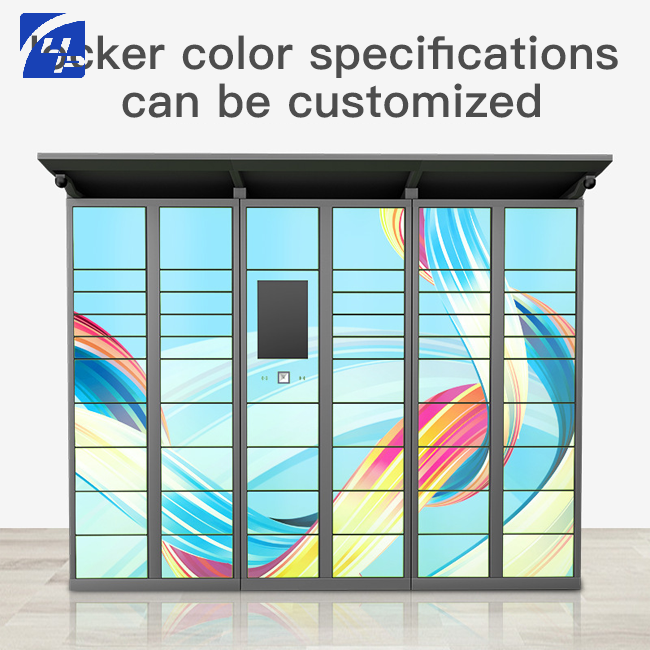
Modern workplaces are continuously evolving to meet the changing needs of employees, and one simple yet highly effective addition many organizations are now adopting is the installation of vending machines in office buildings. These automated retail solutions provide immediate access to snacks, beverages, and even healthy meal options without requiring employees to leave the premises or wait in long cafeteria lines. As companies seek to enhance employee satisfaction, boost productivity, and create more convenient work environments, vending machines in office buildings have emerged as a practical investment that delivers measurable returns across multiple dimensions of workplace management.
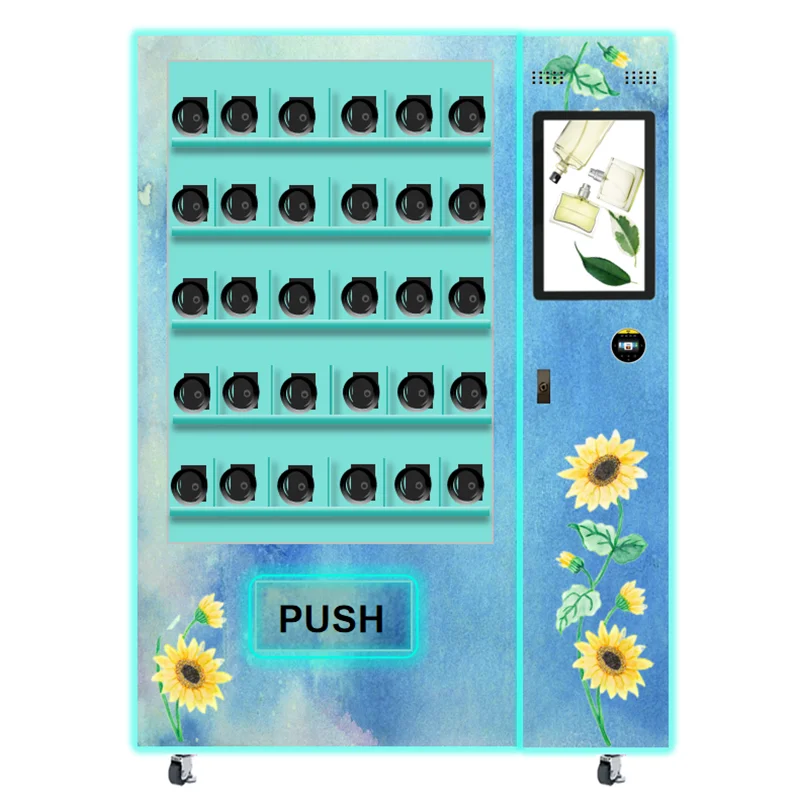
The strategic placement of vending machines in office buildings addresses several critical workplace challenges simultaneously, from reducing time lost during breaks to providing essential sustenance during extended work sessions. Whether your organization operates in a high-rise corporate tower, a suburban office park, or a multi-tenant commercial building, understanding the comprehensive benefits of vending machines in office buildings can help decision-makers justify the investment and select the right equipment for their specific environment. This article explores the top advantages that make vending machines an increasingly popular amenity in professional workspaces across industries.
Enhanced Employee Convenience and Time Efficiency
Immediate Access to Refreshments Without Leaving the Building
One of the most significant benefits of installing vending machines in office buildings is the immediate convenience they provide to employees throughout the workday. Rather than spending valuable time traveling to nearby stores or cafes, workers can quickly obtain snacks, beverages, or light meals within steps of their workspace. This accessibility becomes particularly valuable during busy periods when leaving the office is impractical, during inclement weather, or in locations where nearby retail options are limited. The time savings accumulate significantly over weeks and months, translating into more productive work hours and reduced stress associated with meal planning during the workday.
Modern vending machines in office buildings operate with user-friendly interfaces that allow employees to make selections quickly, accept multiple payment methods including contactless options, and dispense products reliably. This efficiency means that a typical vending machine transaction takes less than two minutes from start to finish, compared to the fifteen to thirty minutes often required for an off-site refreshment run. For organizations with tight project deadlines or industries where continuous coverage is essential, this time efficiency represents a tangible operational advantage that supports business continuity while respecting employee needs.
Reduced Break Time and Improved Productivity
When employees have convenient access to refreshments through vending machines in office buildings, their break periods become more efficient and predictable. Rather than extended absences for food runs that can disrupt workflow and team coordination, workers can take shorter, more effective breaks that provide necessary refreshment without derailing their work momentum. This pattern supports better time management and helps employees maintain focus throughout the day, as they can address hunger or thirst immediately when it arises rather than waiting for a convenient moment to leave the building.
The productivity impact extends beyond simple time savings. Access to snacks and beverages helps employees maintain consistent energy levels throughout the day, preventing the concentration lapses and irritability that often accompany hunger or dehydration. By providing immediate access to fuel for the body and brain, vending machines in office buildings contribute to sustained cognitive performance and better decision-making. Organizations that have implemented on-site vending solutions frequently report improved employee satisfaction scores and reduced complaints about workplace amenities, indicating that this convenience factor significantly influences overall workplace experience.
Cost Savings and Financial Benefits
Reduced Need for Employees to Leave for Purchases
From a financial perspective, vending machines in office buildings generate savings for both employers and employees. When workers can purchase refreshments on-site at competitive prices, they avoid the markup typically charged at nearby convenience stores, coffee shops, or restaurants. Many workplace vending programs offer products at or below retail prices as an employee benefit, making daily sustenance more affordable for the workforce. This financial accessibility is particularly meaningful for employees at all income levels, ensuring that everyone can access refreshments without financial strain.
For employers, the presence of vending machines in office buildings can reduce pressure to provide fully subsidized cafeterias or break rooms with extensive free provisions, which represent significant ongoing operational expenses. Instead, vending machines offer a self-sustaining amenity that requires minimal company investment while still addressing employee needs. Some organizations negotiate with vending service providers to receive commission payments based on sales volume, creating an additional small revenue stream that can offset other workplace amenity costs or fund employee programs.
Lower Infrastructure Requirements Compared to Full Cafeterias
Installing and maintaining a full-service cafeteria or cafe requires substantial capital investment in kitchen equipment, dining furniture, staffing, inventory management, and ongoing food service operations. In contrast, vending machines in office buildings provide food and beverage access with minimal infrastructure requirements. A standard vending machine installation needs only a dedicated electrical outlet and adequate floor space, with no specialized ventilation, plumbing, or food preparation areas required. This makes vending machines ideal for smaller offices, satellite locations, or organizations operating in leased spaces where extensive modifications are impractical.
The operational simplicity of vending machines in office buildings also reduces ongoing management burden. Most vending service agreements include regular restocking, maintenance, and equipment servicing as part of the provider's responsibilities, freeing internal facilities teams from these tasks. There are no staff schedules to coordinate, no food safety protocols to monitor internally, and no complex inventory systems to manage. This hands-off operational model allows organizations to provide valuable employee amenities without expanding their facilities management workload or requiring specialized food service expertise.
Health and Wellness Support
Availability of Healthier Snack and Beverage Options
Contemporary vending machines in office buildings increasingly feature health-conscious product selections that support employee wellness initiatives. Many vendors now offer machines specifically configured with nutritious options including fresh fruit, protein-rich snacks, low-sugar beverages, and portion-controlled items that align with dietary guidelines. This availability makes it easier for employees to make healthier choices throughout the workday, supporting organizational wellness programs and demonstrating employer commitment to staff health. When nutritious options are as convenient as less healthy alternatives, employees are more likely to select them, creating positive long-term health outcomes.
The ability to customize product selections in vending machines in office buildings allows organizations to align offerings with specific wellness goals or dietary preferences prevalent in their workforce. For example, companies can request gluten-free options, vegan snacks, low-sodium choices, or products that meet specific nutritional standards. This customization capability transforms vending machines from simple convenience amenities into strategic wellness tools that reinforce healthy lifestyle messages and make nutritious eating more accessible during the workday. Some organizations even use vending machine product selection as part of health insurance premium reduction programs or corporate wellness challenges.
Hydration and Energy Management Throughout the Workday
Proper hydration is essential for cognitive function, physical comfort, and overall health, yet many employees struggle to maintain adequate fluid intake during busy workdays. Vending machines in office buildings that include water, sparkling water, electrolyte beverages, and other hydrating options make it easier for workers to stay properly hydrated without leaving their work area. This accessibility is particularly important in industries involving physical labor, extended concentration periods, or environments where temperature control may increase fluid needs. The simple presence of beverage vending encourages more frequent hydration breaks, which research shows improves alertness and reduces fatigue.
Beyond hydration, strategic snacking enabled by vending machines in office buildings helps employees manage energy levels more effectively than relying solely on scheduled meal breaks. When workers can access small, nutritious snacks between meals, they avoid the energy crashes associated with long periods without food and the overeating that often results from excessive hunger. This approach to energy management through frequent, smaller food intake aligns with nutritional science recommendations and supports sustained productivity. For organizations with shift workers or employees working extended hours, the 24-hour availability of vending machines in office buildings ensures that refreshment access isn't limited to business hours when cafeterias or nearby stores are open.
Employee Satisfaction and Workplace Culture
Demonstration of Employer Investment in Employee Comfort
The presence of well-maintained vending machines in office buildings sends a clear message to employees that their employer values their comfort and convenience. In competitive talent markets where workplace amenities influence recruitment and retention, thoughtful provisions like on-site vending demonstrate that an organization considers the daily experience of its workforce. This investment in employee convenience contributes to overall job satisfaction and can be highlighted during recruitment processes as part of a comprehensive benefits package. Prospective employees increasingly evaluate workplace culture through tangible amenities, and convenient food access ranks highly among desired workplace features.
The cultural impact of vending machines in office buildings extends beyond the practical convenience they provide. When employees perceive that their employer has anticipated their needs and provided solutions, it fosters a sense of being valued and cared for. This psychological benefit contributes to stronger employee engagement and organizational loyalty. Furthermore, when companies select high-quality vending equipment with modern features, diverse product options, and reliable operation, it reflects positively on the organization's attention to detail and commitment to quality in all aspects of the workplace environment.
Social Interaction and Break Room Enhancement
Vending machines in office buildings often serve as natural gathering points where employees from different departments interact informally during break times. These casual encounters around vending areas facilitate cross-departmental communication, relationship building, and the informal knowledge sharing that strengthens organizational culture. When combined with comfortable seating and pleasant break room design, vending machines become anchors for social spaces that support team cohesion and workplace community. These informal interactions often lead to collaborative problem-solving, innovative ideas, and stronger working relationships that benefit organizational performance.
The social dimension of vending machines in office buildings is particularly valuable in larger organizations where employees might otherwise have limited interaction with colleagues outside their immediate team. The shared experience of taking breaks, discussing product preferences, and engaging in casual conversation around vending areas humanizes the workplace and creates opportunities for connections that formal meetings rarely provide. Some organizations intentionally design vending machine placement to encourage these interactions, positioning equipment in central locations where multiple departments naturally intersect. This strategic approach maximizes the cultural and social benefits beyond the practical convenience of food and beverage access.
Operational Flexibility and Scalability
Adaptability to Various Office Sizes and Layouts
One of the most practical advantages of vending machines in office buildings is their remarkable flexibility in accommodating diverse workplace configurations. Whether an organization occupies a single floor in a multi-tenant building or operates across multiple floors of a corporate campus, vending solutions can be scaled appropriately to match employee population and spatial constraints. Small offices might require only a single combination unit offering both snacks and beverages, while larger facilities can deploy multiple specialized machines positioned strategically throughout the building to ensure convenient access for all employees regardless of their work location.
This scalability makes vending machines in office buildings particularly valuable for growing organizations. As headcount increases, additional machines can be added incrementally without requiring major facility modifications or disrupting ongoing operations. Conversely, if an organization downsizes or relocates, vending equipment can be easily removed or relocated with minimal cost or complexity. This flexibility stands in sharp contrast to fixed food service infrastructure like built-in cafeterias, which represent permanent commitments that cannot easily adapt to changing organizational needs. For companies with uncertain growth trajectories or those operating in dynamic industries, this adaptability represents significant strategic value.
24-Hour Availability for Varied Work Schedules
Modern workplaces increasingly accommodate flexible schedules, remote work arrangements with occasional office presence, and shift patterns that extend beyond traditional business hours. Vending machines in office buildings provide consistent refreshment access regardless of when employees are working, supporting these diverse scheduling patterns without requiring staffed food service during non-standard hours. This 24-hour availability is particularly crucial for industries like technology, healthcare administration, customer service operations, and manufacturing support functions where work continues around the clock.
The always-available nature of vending machines in office buildings also supports emergency situations, extended project deadlines, or unexpected work demands that require employees to remain on-site beyond normal hours. Knowing that refreshments are accessible at any time reduces anxiety about working late and removes barriers to employee flexibility when business needs require extended presence. This reliability contributes to a more resilient and adaptable workplace that can respond to varying operational demands without compromising employee comfort or creating logistical challenges around food access during non-standard hours.
FAQ
How much space do vending machines in office buildings typically require?
Standard vending machines in office buildings typically require approximately 10-15 square feet of floor space, including clearance for door operation and user access. Combination units that dispense both snacks and beverages are generally 6 feet tall, 3 feet wide, and 3 feet deep. Smaller countertop models are available for offices with limited space, requiring only 3-4 square feet of counter area. When planning placement, you should also allow at least 4 feet of clear space in front of the machine for comfortable user access and to comply with accessibility standards. Most modern vending machines in office buildings only require a standard electrical outlet and do not need specialized plumbing or ventilation.
What are the typical costs associated with installing vending machines in office buildings?
Most organizations do not purchase vending machines in office buildings outright. Instead, vending service providers typically install equipment at no upfront cost to the business under service agreements where the vendor retains ownership and handles all maintenance, restocking, and equipment replacement. The vendor generates revenue from product sales, and some agreements include commission payments to the building owner or employer based on sales volume. For organizations that prefer to purchase equipment, commercial vending machines range from three thousand to eight thousand dollars per unit depending on capacity and features. Operating costs include electricity averaging fifteen to fifty dollars monthly per machine, along with restocking labor and product inventory if managed internally rather than through a service provider.
Can vending machines in office buildings accommodate dietary restrictions and preferences?
Yes, modern vending machines in office buildings can be customized extensively to accommodate various dietary needs and preferences. Reputable vending service providers work with clients to develop product assortments that reflect employee demographics and preferences, including gluten-free options, vegan and vegetarian selections, low-sugar beverages, allergen-friendly snacks, and products meeting specific nutritional standards. Many providers conduct employee surveys before installation to understand dietary preferences and restrictions within your workforce. Smart vending machines with inventory tracking can also identify which healthy or specialty items are popular, allowing providers to adjust offerings based on actual consumption patterns. This customization capability makes vending machines in office buildings an effective tool for supporting workplace wellness initiatives and accommodating diverse dietary requirements.
How do vending machines in office buildings impact employee productivity?
Research and workplace studies indicate that vending machines in office buildings positively impact productivity through several mechanisms. First, they reduce time away from work by eliminating the need for off-site food runs that can consume twenty to thirty minutes per trip. Second, convenient access to snacks and beverages helps employees maintain consistent blood sugar and hydration levels, which directly supports cognitive function, concentration, and decision-making quality. Third, the ability to address hunger or thirst immediately when it arises prevents the distraction and discomfort that reduces work quality. Organizations that have added vending machines in office buildings frequently report fewer complaints about break time logistics and improved employee satisfaction scores related to workplace amenities, both of which correlate with higher engagement and productivity levels.
Table of Contents
- Enhanced Employee Convenience and Time Efficiency
- Cost Savings and Financial Benefits
- Health and Wellness Support
- Employee Satisfaction and Workplace Culture
- Operational Flexibility and Scalability
-
FAQ
- How much space do vending machines in office buildings typically require?
- What are the typical costs associated with installing vending machines in office buildings?
- Can vending machines in office buildings accommodate dietary restrictions and preferences?
- How do vending machines in office buildings impact employee productivity?