 EN
EN
Motorcycle and industrial safety helmets represent significant investments in personal protection, yet many users overlook the critical relationship between proper maintenance and equipment longevity. The question of whether a helmet cleaning machine genuinely extends a helmet's functional lifespan touches on material science, hygiene protocols, and operational economics. As helmets accumulate sweat residue, skin oils, bacteria, and environmental contaminants through daily use, these substances initiate degradation processes that compromise both structural integrity and hygiene standards. Professional cleaning equipment designed specifically for helmets employs controlled methodologies that address contamination without subjecting protective materials to harsh chemical exposure or mechanical stress that characterizes improper cleaning approaches.
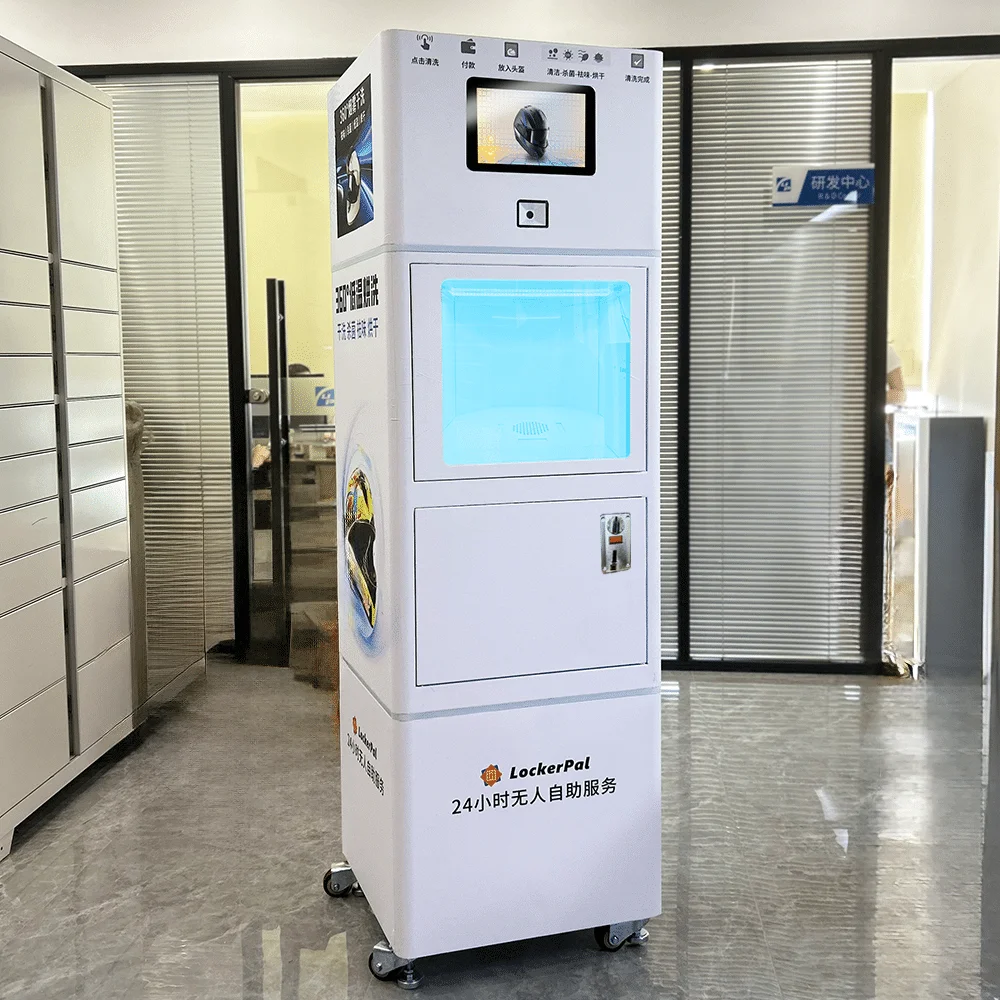
Understanding the mechanisms through which automated cleaning systems preserve helmet materials requires examining how contaminants affect polymeric structures, foam liners, and retention systems over time. A specialized helmet cleaning machine operates through principles that differentiate it fundamentally from conventional washing methods, targeting the specific deterioration pathways that reduce protective equipment effectiveness. The operational lifespan of safety helmets depends not merely on impact history but equally on cumulative exposure to biological agents, pH extremes, and material fatigue induced by inappropriate maintenance practices. This analysis establishes the technical foundation for evaluating whether investment in dedicated cleaning equipment translates into measurable extensions of helmet service life across commercial, industrial, and consumer applications.
Material Degradation Mechanisms in Safety Helmets
Chemical Attack from Biological Contaminants
Human perspiration contains uric acid, lactic acid, and ammonia compounds that create a mildly acidic to neutral pH environment within helmet interiors during extended wear periods. These biological byproducts accumulate in expanded polystyrene (EPS) foam liners and polycarbonate shell interfaces, initiating hydrolysis reactions that gradually weaken polymer chain structures. Studies in polymer degradation demonstrate that sustained exposure to acidic conditions accelerates chain scission in thermoplastic materials commonly used in helmet construction, reducing impact resistance characteristics over time. The bacterial metabolism of organic residues further produces enzymatic compounds and metabolic acids that intensify chemical attack on synthetic materials.
A properly configured helmet cleaning machine addresses this degradation pathway by employing pH-neutral cleaning agents and controlled temperature parameters that remove biological contaminants without introducing additional chemical stressors. Conventional cleaning approaches often utilize alkaline detergents or alcohol-based solutions that, while effective at removing surface contamination, can plasticize polycarbonate shells or extract plasticizers from vinyl comfort padding. The precision application methods inherent in automated systems ensure contaminant removal occurs within material compatibility boundaries, preventing the substitution of one degradation mechanism for another. Commercial fleet operators managing hundreds of helmets have documented reduction in premature shell cracking and foam compression when transitioning from manual cleaning protocols to automated systems.
Microbial Colonization and Material Deterioration
The warm, moist environment inside worn helmets creates optimal conditions for bacterial and fungal proliferation, with microbial populations reaching concentrations exceeding ten million colony-forming units per square centimeter in helmets subjected to regular use without systematic cleaning. These microorganisms establish biofilm communities that penetrate porous materials, producing extracellular polymeric substances that trap moisture and create localized zones of elevated pH. The metabolic processes of Staphylococcus species, Corynebacterium, and various mold species generate organic acids and volatile compounds that chemically modify polymer surfaces, creating microscopic surface cracks that propagate under mechanical stress.
Research into helmet hygiene protocols demonstrates that inadequate cleaning intervals allow biofilm maturation, which significantly increases the difficulty of contaminant removal and accelerates material degradation rates. A dedicated helmet cleaning machine employs sanitization cycles incorporating germicidal agents at concentrations validated to achieve logarithmic reduction in microbial load while maintaining material compatibility. The combination of mechanical agitation, controlled solvent exposure, and thermal management in automated systems achieves biofilm disruption that manual wiping cannot replicate. Field data from occupational safety programs indicate that helmets maintained through regular automated cleaning exhibit 40 to 60 percent longer service intervals before replacement criteria are met, compared to helmets cleaned only through periodic manual washing.
Physical Stress from Inappropriate Cleaning Methods
Manual cleaning of helmets frequently involves excessive mechanical scrubbing, immersion in hot water, or exposure to harsh solvents that impose physical stresses exceeding design parameters for comfort padding and retention systems. The attachment mechanisms securing chin straps and adjustment systems incorporate plastics and fabrics with specific tensile strength ratings that degrade under repeated exposure to cleaning chemicals or elevated temperatures. Submersion washing allows water penetration into foam structures, and subsequent improper drying creates internal moisture retention that promotes mold growth and adhesive failure between laminated helmet components.
Automated helmet cleaning equipment addresses these failure modes through process control features that regulate cleaning solution temperature, application pressure, and exposure duration according to manufacturer specifications for helmet materials. The standardized procedures implemented by a helmet cleaning machine eliminate operator variability that contributes to inconsistent cleaning outcomes and inadvertent material damage. Commercial operations utilizing standardized cleaning protocols document reduced incidence of strap failures, buckle malfunctions, and premature comfort liner degradation, directly attributable to elimination of cleaning-induced mechanical stress. The engineering principles governing automated cleaning system design prioritize preservation of material properties alongside contaminant removal, recognizing that effective helmet maintenance must balance hygiene objectives with structural integrity preservation.
Technical Architecture of Helmet Cleaning Systems
Process Engineering and Contamination Removal Mechanisms
Professional helmet cleaning machines implement multi-stage processes that sequentially address different contamination types and material interfaces within helmet assemblies. Initial stages typically employ low-pressure air injection to dislodge particulate matter from ventilation channels and crevices, preventing abrasive particles from causing surface scratching during subsequent wet cleaning phases. The primary cleaning cycle introduces pH-balanced surfactant solutions through atomization nozzles positioned to ensure complete interior surface coverage while minimizing solution consumption. These surfactants are formulated specifically for compatibility with polycarbonate, ABS plastics, and expanded polystyrene, incorporating anti-static agents that reduce dust re-accumulation.
The controlled application methodology distinguishes a purpose-built helmet cleaning machine from generic washing equipment, as precision delivery systems ensure cleaning agents contact contaminated surfaces without saturating foam liners or penetrating sealed ventilation assemblies. Rinsing cycles employ demineralized water to prevent mineral deposit accumulation that can create abrasive residues or interfere with ventilation system function. The final drying phase utilizes temperature-controlled airflow that accelerates moisture evaporation without exceeding thermal limits for thermoplastic components, typically maintaining air temperatures below 45 degrees Celsius to prevent material softening or dimensional changes. Integration of these process stages within automated equipment ensures consistent cleaning outcomes independent of operator skill level, a critical factor in maintaining fleet-wide helmet condition standards.
Sanitization and Deodorization Technologies
Beyond physical contaminant removal, effective helmet maintenance requires reduction of microbial populations to levels that prevent odor development and material biodegradation. Advanced helmet cleaning machines incorporate sanitization systems utilizing various germicidal technologies, including ultraviolet-C irradiation, ozone generation, or quaternary ammonium compound application. UV-C systems expose helmet interiors to 254-nanometer wavelength radiation that disrupts microbial DNA, achieving significant population reduction without chemical residues. Ozone-based sanitization exploits the oxidative properties of triatomic oxygen to destroy odor molecules and microbial cell walls, with controlled concentration levels and exposure times calibrated to ensure material compatibility.
Chemical sanitization approaches employed in professional helmet cleaning equipment utilize broad-spectrum antimicrobial agents validated for safety in contact with skin-adjacent materials, addressing regulatory requirements for personal protective equipment maintenance. The engineering challenge involves achieving adequate germicidal efficacy while preventing antimicrobial residue accumulation that could cause skin sensitization in helmet users. Modern systems address this through precise dosing controls and thorough rinsing protocols that reduce residual chemical concentrations to parts-per-million levels. Deodorization effectiveness directly correlates with microbial population reduction, as volatile organic compounds responsible for characteristic helmet odors originate primarily from bacterial metabolism rather than residual perspiration. Field assessments demonstrate that helmets maintained through regular automated cleaning with integrated sanitization retain user acceptability for significantly longer periods compared to those cleaned only through manual methods, reducing replacement frequency driven by hygiene concerns rather than structural deterioration.
Material Compatibility and Safety Parameters
The design specifications governing professional helmet cleaning machines necessarily incorporate material science data characterizing the chemical resistance, thermal stability, and mechanical properties of contemporary helmet materials. Polycarbonate shells exhibit excellent impact resistance but demonstrate susceptibility to stress cracking when exposed to certain organic solvents, alkaline solutions, or sustained elevated temperatures. Expanded polystyrene foam liners maintain energy absorption characteristics through precise cell structure, which compressive forces or solvent penetration can compromise. Comfort padding materials including polyurethane foams, polyester fabrics, and vinyl coverings each present distinct compatibility requirements for cleaning agents and process conditions.
Manufacturers of specialized helmet cleaning equipment conduct extensive materials testing to establish process parameters that maintain cleaning efficacy while remaining within compatibility envelopes for all helmet components. This includes validation testing that subjects representative helmet samples to accelerated aging protocols after repeated cleaning cycles, measuring changes in impact attenuation, shell tensile strength, and foam recovery characteristics. Equipment incorporating these validated parameters provides institutional users with documented assurance that maintenance protocols preserve rather than compromise protective equipment performance. The standardization inherent in automated cleaning systems contrasts sharply with manual cleaning approaches where operator discretion regarding cleaning agent selection, application methods, and process duration introduces significant variability and risk of material damage. Professional helmet cleaning machines essentially function as material preservation systems that extend equipment lifespan through controlled maintenance rather than merely cosmetic cleaning devices.
Operational Evidence and Performance Data
Fleet Management Case Studies
Commercial operations managing large helmet inventories provide the most robust data regarding the relationship between maintenance methodology and equipment lifespan. Motorcycle rental operations, industrial facilities with helmet-sharing programs, and public safety organizations that equip multiple personnel with standardized helmets generate usage data across hundreds or thousands of units under comparable operational conditions. Several documented implementations of centralized helmet cleaning machines in these environments demonstrate measurable extensions in average helmet service life ranging from 18 to 36 months beyond typical replacement intervals observed under manual cleaning protocols.
A representative case study from a logistics company operating a fleet of 800 motorcycles documented helmet replacement rates before and after implementing automated cleaning stations at regional depots. Prior to system installation, helmets averaged 24 months of service before meeting internal replacement criteria based on visible deterioration, odor complaints, or component failures. Following implementation of twice-weekly automated cleaning cycles using a commercial helmet cleaning machine, average service life extended to 38 months, with primary replacement drivers shifting from hygiene-related issues to documented impact events or end-of-manufacturer-recommended-lifespan. The operational cost analysis demonstrated that equipment acquisition and maintenance expenses were recovered within 14 months through reduced helmet procurement requirements, establishing clear economic justification for the technology adoption. Similar outcomes have been reported across multiple industries, with consistency of results suggesting that the lifespan extension mechanism operates through fundamental material preservation principles rather than application-specific factors.
Material Analysis and Laboratory Validation
Controlled laboratory studies examining helmet material properties after simulated service life with different maintenance protocols provide scientific validation for field observations of extended equipment lifespan. Researchers conducting accelerated aging studies subject helmet samples to equivalent wear cycles with periodic cleaning interventions using either manual methods or automated helmet cleaning machine protocols. Subsequent material testing measures critical performance parameters including impact energy attenuation, shell penetration resistance, retention system strength, and foam recovery characteristics. Results consistently demonstrate that helmets maintained through automated cleaning systems retain performance characteristics closer to new equipment specifications compared to manually cleaned counterparts subjected to identical usage patterns.
Specific test protocols measure the accumulation of chemical degradation markers in helmet materials, including polymer chain length distribution, plasticizer content, and surface oxidation levels. Helmets cleaned using automated systems with validated material-compatible processes exhibit significantly lower degradation marker concentrations after equivalent service periods. Microstructural analysis of foam liners reveals that controlled cleaning preserves cellular architecture integrity, maintaining the progressive crushing characteristics essential for impact energy management. Surface analysis of polycarbonate shells demonstrates reduced microcracking and crazing in helmets subjected to automated cleaning protocols, attributable to elimination of chemical exposures that induce environmental stress cracking. These laboratory findings establish the mechanistic basis for field observations that systematic maintenance using appropriate equipment genuinely extends functional helmet lifespan by measurable margins.
Economic Analysis and Total Cost of Ownership
The business case for implementing helmet cleaning machine technology requires comprehensive analysis of total ownership costs including equipment acquisition, operational expenses, and offset savings from extended helmet service intervals. Initial capital investment for commercial-grade automated cleaning systems ranges from moderate to substantial depending on throughput capacity and feature sophistication, creating a threshold consideration for organizations with limited helmet inventories. However, operational cost modeling demonstrates favorable return on investment for operations maintaining fleets exceeding 50 helmets, with payback periods shortening proportionally as fleet size increases.
Detailed cost analysis incorporates replacement helmet procurement costs, shipping and handling expenses, inventory carrying costs, and administrative overhead associated with equipment lifecycle management. Organizations implementing centralized automated cleaning document 30 to 50 percent reduction in annual helmet replacement expenditures, with additional benefits including reduced inventory storage requirements and simplified compliance documentation for safety equipment maintenance programs. The economic advantage becomes particularly pronounced in applications involving premium helmets with higher unit costs, where extended service life generates proportionally greater financial returns. Beyond direct cost savings, automated helmet cleaning systems provide operational benefits including standardized maintenance schedules, reduced user complaints regarding equipment hygiene, and enhanced organizational safety culture through demonstrated commitment to proper equipment care. These factors collectively establish that investment in professional cleaning equipment delivers measurable value through genuine extension of helmet functional lifespan rather than merely theoretical performance improvements.
Implementation Considerations and Best Practices
Selection Criteria for Cleaning Equipment
Organizations evaluating helmet cleaning machine options encounter diverse equipment designs ranging from compact single-unit cleaners suitable for small operations to high-throughput systems designed for institutional fleet management. Key selection criteria include cleaning cycle throughput capacity, which must align with operational demand patterns to prevent bottlenecks during peak usage periods. Equipment incorporating multiple helmet stations enables concurrent processing that increases throughput without proportional expansion of floor space requirements. Process automation level represents another critical decision factor, with fully automated systems offering consistent outcomes at the expense of higher initial investment, while semi-automated equipment provides cost advantages for operations where labor availability offsets convenience considerations.
Technical specifications warranting detailed evaluation include cleaning agent delivery systems, sanitization technology implementation, and drying cycle performance. Equipment utilizing replaceable cartridge systems for cleaning solutions simplifies supply chain management but may constrain chemical selection flexibility compared to systems accepting bulk solution containers. Sanitization technology selection between UV-C, ozone, or chemical methods involves tradeoffs between treatment effectiveness, cycle time, and ongoing operational costs. Drying system capacity significantly impacts overall cycle duration, with equipment incorporating high-velocity air management enabling rapid throughput that supports demanding operational schedules. Material compatibility validation provided by equipment manufacturers should be verified through independent testing documentation confirming process safety across helmet types present in the organizational inventory. Selection of appropriately specified helmet cleaning machine equipment establishes the foundation for successful implementation of maintenance protocols that genuinely extend equipment lifespan.
Integration with Maintenance Protocols
Realizing the full lifespan extension potential of automated helmet cleaning requires integration within comprehensive maintenance protocols that address all factors influencing equipment longevity. Cleaning frequency recommendations vary based on usage intensity, with daily cleaning appropriate for helmets in continuous commercial service, while weekly or bi-weekly intervals suffice for lower-intensity applications. Establishing standardized cleaning schedules through administrative controls ensures consistent maintenance rather than reactive cleaning triggered only by visible contamination or odor complaints. Documentation systems tracking individual helmet cleaning history enable correlation of maintenance patterns with observed equipment condition, supporting data-driven optimization of protocol parameters.
Effective protocols incorporate pre-cleaning inspection procedures that identify helmets with damage requiring immediate removal from service, preventing contamination of cleaning equipment and ensuring damaged units undergo appropriate disposition procedures. Post-cleaning inspection verifies process effectiveness and confirms absence of residual moisture or cleaning agent residues that could compromise user comfort or material integrity. Integration of helmet cleaning machine operations with broader equipment lifecycle management systems enables tracking of cumulative service duration, impact event history, and manufacturer age limits, supporting informed replacement decisions based on comprehensive condition assessment rather than arbitrary time intervals. Organizations implementing these integrated approaches document superior helmet condition across their fleets and realize the maximum lifespan extension benefits that automated cleaning technology enables.
Operator Training and Quality Assurance
Despite the automated nature of professional helmet cleaning equipment, operator competency significantly influences cleaning effectiveness and equipment longevity. Comprehensive training programs address proper helmet preparation procedures, equipment operation sequences, routine maintenance requirements, and troubleshooting protocols for common operational issues. Operators require understanding of helmet material characteristics to recognize signs of cleaning-related damage and adjust process parameters when handling specialized helmet designs outside standard specifications. Quality assurance procedures incorporating periodic inspection of cleaned helmets verify consistent process outcomes and enable early detection of equipment maintenance needs or cleaning solution degradation.
Systematic operator training emphasizes the material preservation objectives underlying automated cleaning protocols, reinforcing that equipment functions as a lifespan extension tool rather than merely a convenience device. Understanding this operational philosophy encourages appropriate attention to process details and preventive maintenance activities that sustain equipment performance. Organizations implementing formal training and quality assurance programs document superior cleaning outcomes and equipment reliability compared to installations where operators receive only basic operational instruction. The human factors dimension of helmet cleaning machine implementation thus represents a critical success factor that complements the technical capabilities inherent in the equipment design.
FAQ
How frequently should helmets be cleaned using automated equipment to maximize lifespan extension?
Optimal cleaning frequency depends on usage intensity and environmental conditions, but general guidelines recommend daily cleaning for helmets in continuous commercial service, weekly cleaning for regular occupational use, and bi-weekly cleaning for recreational applications. More frequent cleaning prevents accumulation of contaminants to concentrations that initiate material degradation processes, while avoiding excessive cleaning cycles that could impose unnecessary processing on equipment. Organizations should establish frequency based on odor development patterns and visible contamination rates observed in their specific operational context, adjusting intervals to maintain helmets in consistently clean condition without over-processing.
Can automated helmet cleaning damage impact protection capabilities?
Properly designed and operated helmet cleaning machines using validated processes specifically preserve rather than compromise impact protection capabilities. Equipment engineered with material-compatible cleaning agents, controlled temperature parameters, and appropriate mechanical force application maintains helmet structural integrity throughout the cleaning process. The key distinction lies in using purpose-built equipment with validated protocols versus improvised cleaning methods that may expose helmets to incompatible chemicals or excessive mechanical stress. Organizations should verify that cleaning equipment manufacturers provide material compatibility documentation and process validation data confirming preservation of protective performance characteristics.
What cost savings can organizations expect from implementing automated helmet cleaning?
Economic benefits vary with fleet size and helmet replacement costs, but documented case studies demonstrate 30 to 50 percent reduction in annual helmet replacement expenditures for organizations managing fleets exceeding 50 units. Payback periods for equipment investment typically range from 12 to 24 months depending on fleet size and helmet unit costs. Additional financial benefits include reduced inventory carrying costs, decreased administrative overhead for equipment lifecycle management, and potential liability reduction through improved equipment maintenance documentation. Organizations should conduct specific cost modeling incorporating their actual helmet inventory size, replacement frequency, and unit costs to project expected return on investment.
Are there helmet types unsuitable for automated cleaning equipment?
Most contemporary motorcycle and industrial safety helmets constructed from standard materials including polycarbonate, ABS plastic, fiberglass composite, and expanded polystyrene foam are compatible with properly configured automated cleaning systems. Specialized helmets incorporating electronic communication systems, advanced ventilation mechanisms, or non-standard materials may require modified cleaning protocols or manual maintenance approaches. Organizations should consult helmet manufacturer specifications and cleaning equipment compatibility documentation to verify process suitability for specific helmet models in their inventory. Equipment manufacturers typically provide lists of validated helmet types and may offer protocol customization services for specialized applications requiring adapted cleaning parameters.
Table of Contents
- Material Degradation Mechanisms in Safety Helmets
- Technical Architecture of Helmet Cleaning Systems
- Operational Evidence and Performance Data
- Implementation Considerations and Best Practices
-
FAQ
- How frequently should helmets be cleaned using automated equipment to maximize lifespan extension?
- Can automated helmet cleaning damage impact protection capabilities?
- What cost savings can organizations expect from implementing automated helmet cleaning?
- Are there helmet types unsuitable for automated cleaning equipment?