 EN
EN
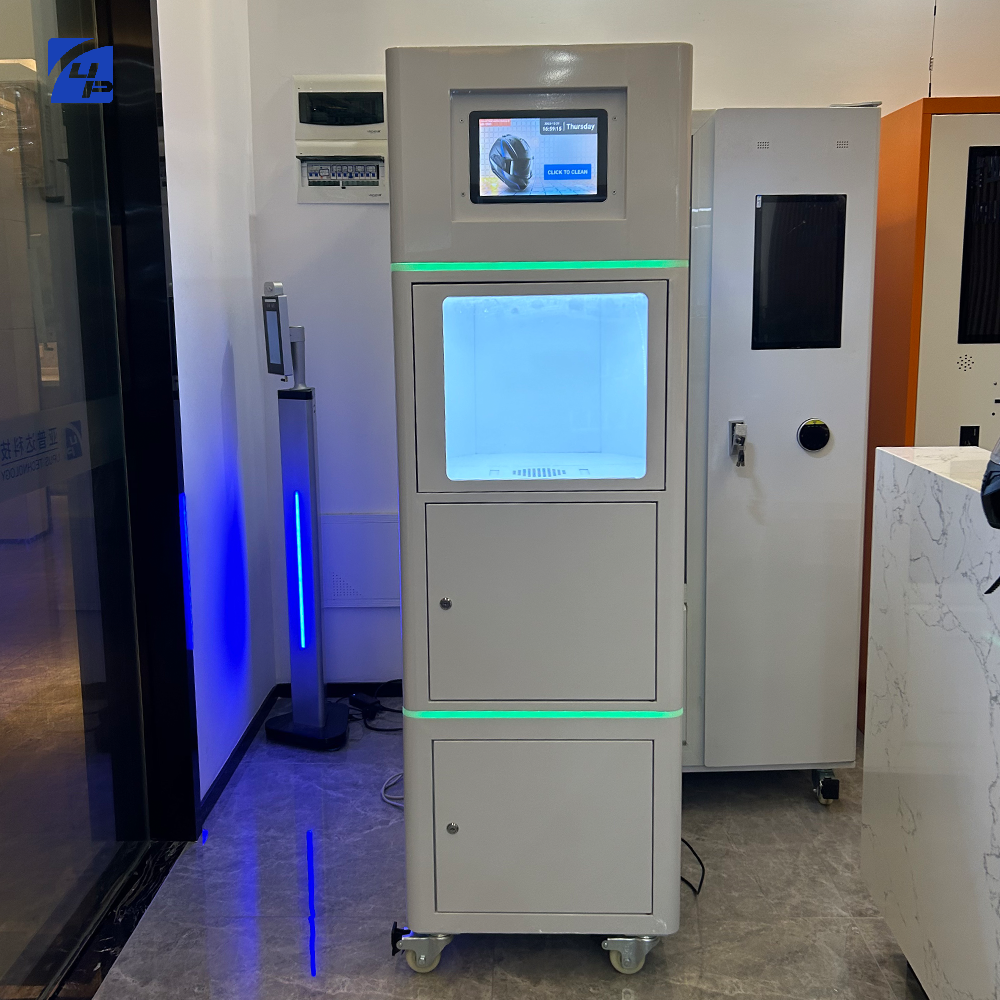
In the competitive landscape of motorcycle retail and service, customer satisfaction extends far beyond selling quality bikes and accessories. Modern motorcycle shops face increasing expectations from riders who demand comprehensive service experiences that address every aspect of their riding lifestyle. Among the most overlooked yet critical service gaps in many motorcycle shops is the absence of professional helmet hygiene solutions. While helmets represent essential safety equipment that riders wear daily, often for hours at a time in various weather conditions, very few establishments offer systematic cleaning services that address the unique challenges of helmet maintenance. This service gap represents both a missed revenue opportunity and a failure to meet evolving customer expectations in an industry where safety consciousness and hygiene awareness continue to rise.
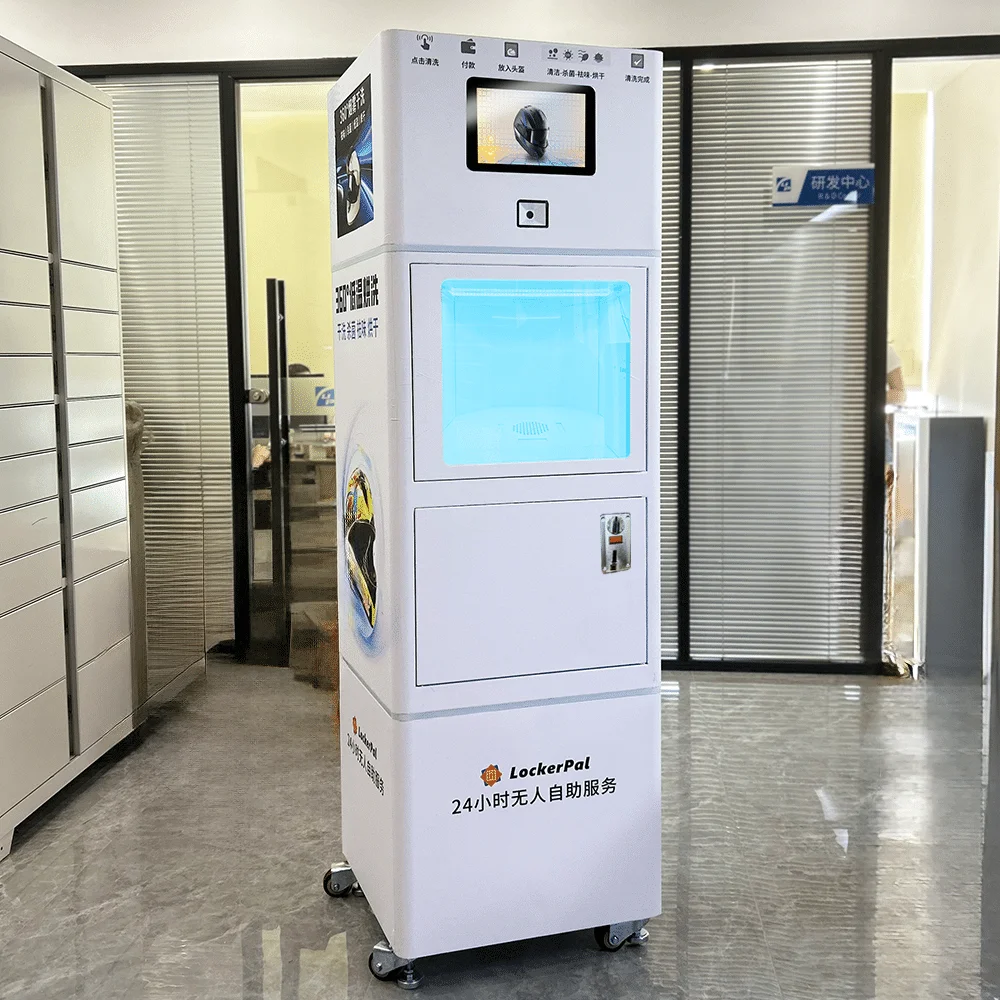
The integration of a helmet cleaning machine into motorcycle shop operations addresses multiple business imperatives simultaneously. It creates a new revenue stream with minimal operational complexity, differentiates the shop from competitors who lack such specialized equipment, and demonstrates commitment to rider safety and comfort. Beyond the immediate financial benefits, offering professional helmet cleaning services positions a motorcycle shop as a comprehensive service provider rather than merely a product retailer. This strategic positioning becomes increasingly valuable as the motorcycle industry matures and customers seek businesses that understand and address their complete range of needs. The question is not whether a helmet cleaning machine adds value, but rather how quickly shops can implement this essential service before their competitors recognize the same opportunity.
The Critical Hygiene Challenge That Traditional Methods Cannot Solve
Understanding the Hidden Contamination Inside Motorcycle Helmets
Motorcycle helmets create uniquely challenging hygiene environments that conventional cleaning approaches cannot adequately address. The interior padding and liner materials absorb sweat, skin oils, and environmental pollutants during every ride, creating ideal conditions for bacterial growth and odor development. Research in textile microbiology has demonstrated that moisture-rich, warm environments like helmet interiors can harbor bacterial populations exceeding several million colony-forming units per square inch after just weeks of regular use. These microbial communities include not only odor-causing bacteria but also potentially pathogenic organisms that can contribute to skin irritation, acne breakouts, and scalp conditions among frequent riders.
The structural complexity of modern helmets compounds these hygiene challenges significantly. Multi-density foam padding, moisture-wicking fabrics, ventilation channels, and non-removable comfort liners create numerous surfaces and crevices where contaminants accumulate beyond the reach of simple wiping or spot cleaning. Many riders attempt home cleaning with various household products, often inadvertently degrading the specialized materials and compromising the helmet's protective properties. Water-based cleaning can saturate foam materials, requiring days to dry completely and potentially promoting mold growth. Chemical cleaners may break down adhesives, degrade comfort liners, or leave residues that cause skin irritation. The fundamental problem is that effective helmet hygiene requires specialized technology specifically engineered for the unique material composition and contamination patterns found in protective headgear.
Why Customer Expectations Now Demand Professional Helmet Hygiene Solutions
The motorcycle riding community has undergone significant demographic and cultural shifts over the past decade, bringing elevated hygiene expectations that many traditional shops have not yet addressed. Younger riders, particularly those entering motorcycling from urban backgrounds, bring lifestyle habits formed in an era of heightened cleanliness awareness and professional service expectations. These customers routinely utilize professional cleaning services for athletic equipment, work uniforms, and specialized gear, making the absence of helmet cleaning services at motorcycle shops increasingly conspicuous. Social media communities dedicated to motorcycle culture frequently discuss helmet hygiene, with riders sharing frustration about the lack of accessible professional cleaning options and the inadequacy of DIY methods.
This expectation gap represents a direct business vulnerability for motorcycle shops. When customers cannot access helmet hygiene services at their primary motorcycle retailer, they either neglect proper helmet maintenance or seek solutions elsewhere, potentially shifting their broader purchasing loyalty to competitors who offer more comprehensive service portfolios. The availability of a helmet cleaning machine signals to customers that the shop understands and values complete rider care, not just transactional product sales. This perception significantly influences customer retention rates, referral likelihood, and lifetime value. Shops that recognize helmet hygiene as a service expectation rather than an optional amenity position themselves to capture and retain the most valuable customer segments in an increasingly competitive market.
The Compelling Business Case Beyond Customer Service
Revenue Generation With Minimal Operational Complexity
Implementing a helmet cleaning machine creates an attractive revenue stream characterized by high margins and low operational overhead. Unlike many service offerings that require skilled technicians, extensive training, or significant labor time, helmet cleaning services operate with minimal staff involvement. The typical cleaning cycle requires only a few minutes of employee time for customer interaction and machine operation, with the actual cleaning process occurring automatically. This efficiency enables shops to generate revenue without proportionally increasing labor costs or creating scheduling bottlenecks during busy periods. The service pricing structure can be positioned to reflect the specialized nature of the equipment and the value of professional hygiene, typically ranging from a level that customers readily accept as reasonable for the convenience and effectiveness provided.
The financial mathematics become particularly compelling when analyzing the cumulative impact over time. A motorcycle shop serving even a modest customer base can reasonably expect dozens of helmet cleaning transactions weekly, especially when the service is actively promoted and integrated into the shop's service communications. With minimal consumable costs beyond basic electricity, the gross margins on helmet cleaning services typically exceed eighty percent. The helmet cleaning machine investment generally achieves payback within the first year of operation, after which it continues generating nearly pure profit for years with only routine maintenance requirements. Additionally, customers who visit specifically for helmet cleaning services frequently make impulse purchases of accessories, maintenance products, or other items, creating secondary revenue that further enhances the business case.
Competitive Differentiation in a Crowded Marketplace
The motorcycle retail sector faces increasing competitive pressure from online retailers, big-box sporting goods stores, and direct-to-consumer manufacturers. Physical motorcycle shops must continuously identify service differentiators that online competitors cannot replicate and that justify customer preference for local businesses despite potentially higher prices. A helmet cleaning machine provides exactly this type of compelling differentiation. The service requires physical presence and cannot be delivered digitally or shipped, creating a competitive moat that protects customer relationships. When riders need helmet cleaning services, they must visit a physical location, providing the shop with regular touchpoints that maintain brand awareness and create opportunities for relationship building and additional sales.
This differentiation becomes particularly valuable in markets with multiple motorcycle retailers competing for the same customer base. Shops that offer helmet cleaning services can leverage this unique capability in all marketing communications, from social media posts to in-store signage to email campaigns. The service provides concrete content for demonstrating shop capabilities and customer care commitment, moving beyond generic claims about service quality that all competitors make. Customer testimonials about helmet cleaning services carry particular authenticity and specificity, providing powerful word-of-mouth marketing that attracts new customers. Over time, the helmet cleaning machine transforms from a piece of equipment into a strategic asset that fundamentally shapes the shop's market positioning and competitive identity.
Operational Integration and the Customer Experience Multiplier Effect
Creating Natural Touchpoints That Drive Repeat Business
The implementation of a helmet cleaning machine fundamentally restructures customer interaction patterns in ways that extend far beyond the immediate service transaction. Helmet hygiene represents a recurring need rather than a one-time purchase, creating natural reasons for customers to return to the shop at regular intervals throughout the riding season. This recurring contact maintains the shop's presence in customers' awareness and creates consistent opportunities for communication about new products, upcoming events, service specials, and other offerings. Unlike many service interactions that occur only when equipment problems arise, helmet cleaning visits happen during positive circumstances when customers are actively engaged in their riding activities and potentially receptive to additional purchases.
The psychological dynamics of these interactions merit particular attention. Customers who utilize helmet cleaning services experience tangible, immediate value that reinforces positive associations with the shop. The sensory experience of receiving a freshly cleaned, deodorized helmet creates satisfaction that extends beyond rational evaluation of service quality into emotional territory that strongly influences loyalty. These positive experiences accumulate over repeated visits, building relationship strength that competitors cannot easily disrupt. Furthermore, the relatively low cost of helmet cleaning services creates opportunities for gestures of appreciation such as complementary cleanings for loyal customers, which generate disproportionate goodwill relative to their actual cost to the shop.
Expanding the Service Portfolio Without Expanding Complexity
One of the most strategically valuable aspects of a helmet cleaning machine is how it enables service portfolio expansion without requiring the technical expertise, certification requirements, or liability considerations associated with mechanical service work. Many motorcycle shops, particularly smaller operations, hesitate to expand into mechanical services due to the need for trained technicians, specialized tools, warranty concerns, and insurance implications. Helmet cleaning services avoid all these complications while still providing the business benefits of service diversification. The equipment operation requires minimal training, carries negligible liability risk since no safety-critical components are involved, and creates no warranty or quality assurance complexities.
This low-complexity expansion pathway proves particularly valuable for shops seeking to transition from pure retail operations toward service-oriented business models. The helmet cleaning machine serves as an accessible entry point into service offerings that can build organizational capabilities and customer expectations for additional services over time. Staff members develop service-oriented communication patterns, the shop establishes service scheduling and pricing systems, and customers begin perceiving the business as a service provider rather than exclusively a retailer. These foundational changes create platforms for subsequently introducing other services with confidence that the operational systems and customer expectations are already established. The helmet cleaning machine thus functions as both an immediate revenue generator and a strategic stepping stone toward more comprehensive service business models.
The Technology Advantage and Professional Results That Customers Cannot Replicate
Understanding the Engineering Behind Effective Helmet Sanitization
Professional helmet cleaning machines employ sophisticated technologies specifically engineered to address the unique challenges of protective headgear sanitization. These systems typically combine multiple cleaning mechanisms including controlled airflow patterns, specialized sanitizing agents, and precise environmental controls that work synergistically to penetrate helmet interiors and neutralize contaminants without damaging sensitive materials. The airflow systems generate circulation patterns designed to reach deep into foam padding and liner materials, carrying sanitizing agents into areas that surface cleaning methods cannot access. Temperature and humidity controls maintain conditions optimized for both effective sanitization and material safety, avoiding the degradation risks associated with excessive heat or moisture.
The sanitizing agents used in professional helmet cleaning machines represent formulations developed specifically for the material compositions found in motorcycle helmets. These solutions must effectively eliminate odor-causing bacteria and other microbial contaminants while remaining safe for direct skin contact, non-corrosive to the various plastics and foams used in helmet construction, and free of residues that could compromise material properties or cause user discomfort. The engineering challenge involves balancing antimicrobial effectiveness against material compatibility and user safety, requirements that generic cleaning products cannot simultaneously meet. Professional helmet cleaning machines resolve this challenge through carefully formulated agents and precisely controlled application methods that maximize effectiveness while minimizing any risk of material damage or user exposure to harsh chemicals.
Why DIY Methods Create False Economy and Hidden Risks
Many riders attempt to clean helmets using household methods that appear economical but actually create multiple problems that undermine both hygiene and helmet integrity. Common approaches include removing and washing comfort liners in washing machines, spraying interiors with disinfectant products, or using wet cloths with various cleaning solutions. These methods share fundamental limitations that prevent effective sanitization. Washing removable liners addresses only easily accessible surfaces while leaving the underlying foam padding and fixed interior components untouched, where the majority of bacterial colonization actually occurs. The mechanical action and water saturation involved in machine washing can degrade liner materials, stretch elastic components, and weaken adhesive bonds, leading to premature replacement needs that eliminate any cost savings.
Spray disinfectants and surface wiping methods prove equally inadequate for different reasons. These approaches cannot penetrate beyond the immediate surface layer, leaving deep contamination completely unaddressed despite creating a superficial appearance of cleanliness. Many disinfectant products contain alcohol or other volatile solvents that can degrade foam materials, crack plastic components, or leave residues that cause skin irritation during subsequent use. The moisture introduced through these cleaning attempts often cannot fully dry within the helmet's enclosed structure, creating conditions conducive to mold and mildew growth that actually worsens hygiene problems. A helmet cleaning machine avoids all these pitfalls through engineered processes that thoroughly sanitize without material damage, excessive moisture, or harmful residues, delivering results that DIY methods simply cannot achieve regardless of the time and effort invested.
Implementation Strategy and Maximizing Return on Investment
Positioning Helmet Cleaning Services Within the Overall Business Model
Successful integration of a helmet cleaning machine requires thoughtful positioning within the shop's broader service architecture and customer communication strategy. The service should be prominently featured in all customer-facing materials, from storefront signage to website content to social media channels, establishing it as a core capability rather than an afterthought add-on. Physical placement of the equipment within the shop deserves careful consideration, ideally locating it in a visible area where customers can observe the professional equipment and watch the cleaning process, which builds confidence in service quality and stimulates interest among customers who may not have previously considered professional helmet cleaning.
Pricing strategy for helmet cleaning services should reflect the professional nature of the equipment and the value delivered while remaining accessible enough to encourage regular use rather than positioning it as a premium service reserved for special occasions. Many successful shops implement membership or package pricing models that encourage customers to commit to regular cleaning schedules, such as monthly or seasonal packages at discounted rates compared to single-service pricing. These recurring revenue structures provide financial predictability while ensuring consistent customer touchpoints. Additionally, bundling helmet cleaning with other services or purchases creates perceived value and encourages customers to think of helmet hygiene as an integral component of helmet ownership rather than an optional extra.
Marketing Approaches That Drive Adoption and Utilization
Effective marketing of helmet cleaning services requires education-focused communication that helps customers understand both the hygiene problems that exist within their helmets and the limitations of methods they may currently be using. Content marketing through blog posts, social media videos, and in-store educational materials can dramatically increase service awareness and utilization by making the invisible visible, helping customers recognize needs they may not have consciously identified. Before-and-after demonstrations, either through direct customer observation or documented through photos and videos, provide compelling evidence of service effectiveness that builds confidence and motivates trial.
Promotional strategies for a helmet cleaning machine should emphasize convenience, professional results, and the connection to safety and comfort rather than competing solely on price. Launch promotions that offer complimentary cleaning with helmet purchases or deeply discounted introductory rates help overcome initial customer hesitation and allow riders to experience the service quality firsthand. Once customers experience professionally cleaned helmets, repeat utilization rates typically increase substantially as they recognize the difference compared to previous cleaning methods or neglect. Seasonal marketing campaigns timed to the beginning of riding season, before major riding events, or during helmet promotion periods can drive concentrated utilization that builds momentum and establishes helmet cleaning as a normal part of the shop's service expectations.
FAQ
How often should motorcycle riders have their helmets professionally cleaned?
The optimal cleaning frequency depends on usage patterns, but most regular riders benefit from professional helmet cleaning every four to six weeks during active riding seasons. Riders who use their motorcycles daily for commuting or who ride in particularly hot, humid conditions may need more frequent cleaning every two to three weeks to maintain optimal hygiene and comfort. Occasional riders might extend the interval to two or three months between cleanings. The key indicator is when the helmet begins developing noticeable odors or when the comfort liner feels less fresh against the skin, both signs that bacterial populations have reached levels requiring professional intervention. Regular cleaning with a helmet cleaning machine not only maintains hygiene but also extends helmet liner life by preventing the material degradation that accumulated contaminants can cause over time.
Does professional helmet cleaning affect the safety performance or warranty of motorcycle helmets?
Professional helmet cleaning machines are specifically engineered to sanitize helmet interiors without compromising any safety-critical components or voiding manufacturer warranties. The cleaning processes affect only the comfort liner, padding, and interior surfaces, using methods and agents that are safe for all materials commonly used in helmet construction. The protective shell, impact-absorbing foam layers, and retention systems remain completely unaffected by the cleaning process. In fact, regular professional cleaning can actually support long-term helmet performance by preventing the accumulation of oils and contaminants that can degrade interior materials over time. Helmet manufacturers generally support proper maintenance including professional cleaning, as it extends the useful life of comfort components and ensures riders continue using helmets rather than avoiding them due to hygiene concerns. The cleaning process does not involve disassembly of any structural components or exposure to conditions that could affect safety certification.
What makes a helmet cleaning machine more effective than home cleaning methods?
Professional helmet cleaning machines deliver superior results through several technological advantages that home methods cannot replicate. The specialized equipment generates controlled airflow patterns that penetrate deep into foam padding and liner materials, reaching bacterial populations that surface cleaning cannot access. The sanitizing agents are specifically formulated for helmet materials, providing effective antimicrobial action without the harsh chemicals, excessive moisture, or material damage risks associated with household cleaning products. Temperature and humidity controls ensure thorough sanitization while preventing the over-saturation problems that plague water-based home cleaning attempts. The automated process also ensures consistent, complete coverage of all interior surfaces rather than the spotty results typical of manual cleaning efforts. Additionally, professional equipment includes proper ventilation and drying systems that eliminate moisture completely, preventing the mold and mildew growth that often develops when helmets are cleaned at home and cannot dry thoroughly in their enclosed structure.
Can helmet cleaning services generate sufficient revenue to justify the equipment investment?
The financial return on a helmet cleaning machine investment typically proves highly favorable for motorcycle shops with even modest customer bases. Equipment costs are generally recovered within the first twelve to eighteen months of operation through service revenue, after which the ongoing income represents nearly pure profit with minimal operating costs beyond electricity and occasional maintenance. A shop performing just twenty helmet cleanings per week at typical service pricing generates annual revenue that substantially exceeds the initial equipment investment, while requiring minimal staff time or operational complexity. The revenue analysis becomes even more compelling when accounting for secondary benefits including increased customer visits, impulse purchases during cleaning service visits, enhanced customer loyalty, and competitive differentiation value. Many shops report that helmet cleaning services become among their highest-margin offerings within the first year, generating returns that far exceed many traditional product categories while simultaneously strengthening customer relationships in ways that support long-term business growth.
Table of Contents
- The Critical Hygiene Challenge That Traditional Methods Cannot Solve
- The Compelling Business Case Beyond Customer Service
- Operational Integration and the Customer Experience Multiplier Effect
- The Technology Advantage and Professional Results That Customers Cannot Replicate
- Implementation Strategy and Maximizing Return on Investment
-
FAQ
- How often should motorcycle riders have their helmets professionally cleaned?
- Does professional helmet cleaning affect the safety performance or warranty of motorcycle helmets?
- What makes a helmet cleaning machine more effective than home cleaning methods?
- Can helmet cleaning services generate sufficient revenue to justify the equipment investment?