 EN
EN

Motorcycle helmets endure daily exposure to sweat, dust, bacteria, and environmental pollutants that compromise both hygiene and structural integrity. While many riders understand the importance of helmet maintenance, manual cleaning methods often prove time-consuming, inconsistent, and difficult to sustain as a daily routine. This reality has driven increasing adoption of automated solutions designed specifically for helmet sanitation, offering riders a practical alternative that addresses both convenience and thoroughness in protective gear care.
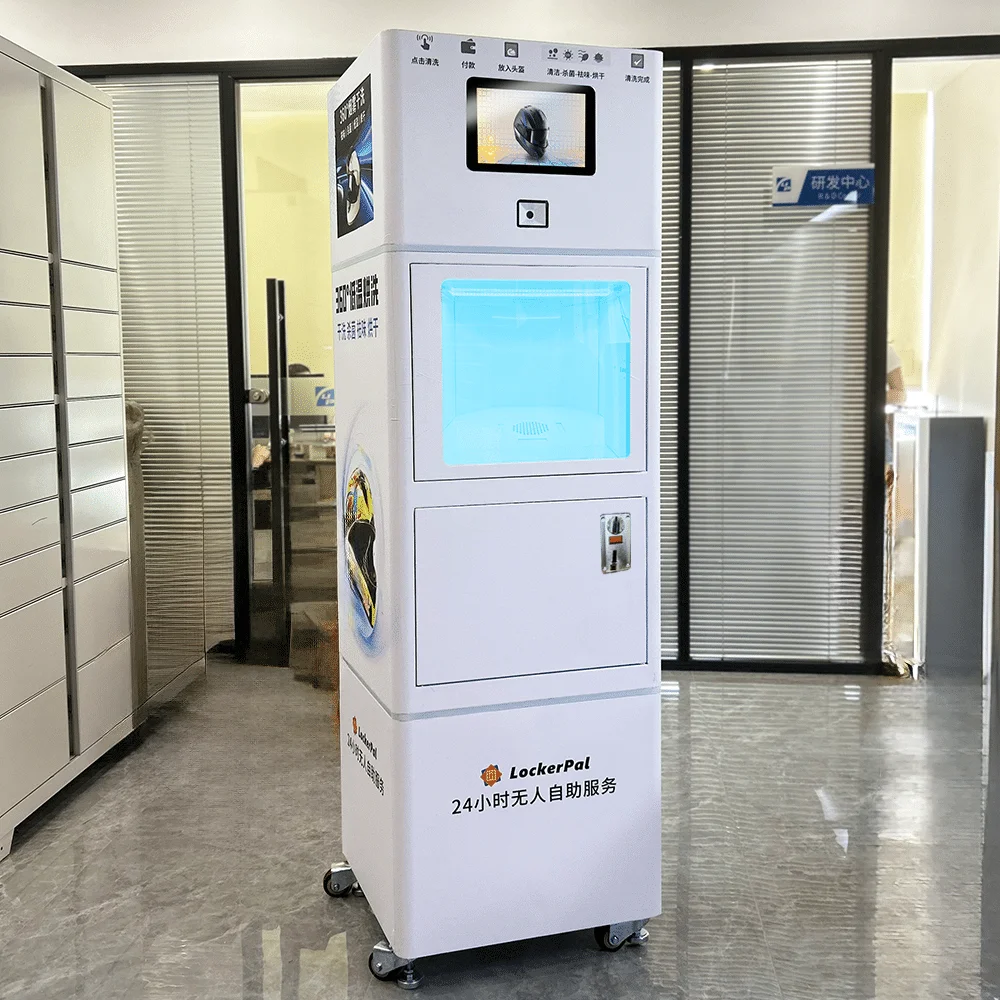
The shift toward daily automated helmet cleaning reflects a broader recognition that helmet hygiene directly influences rider health, equipment longevity, and overall riding comfort. Unlike occasional deep cleaning sessions that allow contaminants to accumulate between treatments, daily automated maintenance establishes a preventive approach that stops bacterial growth before it becomes problematic. Understanding the specific advantages of incorporating an automatic helmet cleaner into your routine helps riders make informed decisions about protective equipment care and personal wellness strategies.
Health and Hygiene Advantages
Elimination of Bacterial and Fungal Growth
Daily use of an automatic helmet cleaner creates an environment hostile to microbial colonization inside helmet interiors. Research on textile hygiene demonstrates that moisture and organic matter from perspiration provide ideal breeding conditions for bacteria and fungi, which multiply rapidly in the warm, enclosed space of a helmet. Traditional sporadic cleaning allows these microorganisms to establish stable colonies between treatments, making complete elimination progressively more difficult. Automated daily cleaning disrupts this cycle by removing moisture and organic residue before microbial populations can reach problematic levels.
The sanitation process employed by these systems typically combines deodorizing agents with drying mechanisms that address both surface contamination and the underlying moisture that supports microbial growth. This dual-action approach proves significantly more effective than surface wiping, which often redistributes bacteria without eliminating them. For riders in tropical or humid climates where fungal infections pose particular concerns, daily automated treatment provides measurable protection against conditions like seborrheic dermatitis and folliculitis that commonly afflict helmet wearers.
Prevention of Skin Irritation and Acne
Accumulated oils, dead skin cells, and bacterial byproducts inside helmets contribute substantially to facial skin problems among regular riders. The mechanical friction of contaminated padding against facial skin throughout rides creates conditions known to dermatologists as acne mechanica, a form of breakout triggered by pressure, heat, and occlusion rather than hormonal factors. An automatic helmet cleaner addresses this issue by systematically removing the biofilm and debris accumulation that exacerbates friction and blocks pores during helmet use.
Daily treatment maintains liner materials in a condition closer to their original state, preserving the smooth texture that minimizes skin irritation. This consistency proves particularly valuable for riders with sensitive skin or existing dermatological conditions who experience flare-ups from contaminated helmet contact. Clinical observations suggest that riders who implement daily helmet sanitation routines report fewer breakouts along the forehead, cheeks, and jawline compared to those practicing weekly or occasional cleaning schedules.
Reduction of Allergen Accumulation
Helmet interiors function as effective collectors for airborne allergens including pollen, dust mites, and environmental particulates that become embedded in padding materials during rides. For individuals with respiratory sensitivities or allergic rhinitis, these accumulated allergens create a concentrated exposure source positioned directly against the face during every subsequent use. Daily deployment of an automatic helmet cleaner removes these particles before they can accumulate to symptomatic thresholds, effectively reducing allergic load with each treatment cycle.
The controlled environment and consistent methodology of automated systems ensure more thorough allergen removal than manual wiping, which often fails to reach deeply embedded particles within padding layers. This systematic allergen management becomes particularly important during high pollen seasons or in urban environments with elevated particulate pollution, where helmet interiors quickly become reservoirs of irritating substances without regular intervention.
Equipment Longevity and Performance Benefits
Extended Liner and Padding Lifespan
The interior components of a motorcycle helmet represent precision-engineered comfort and safety elements designed to maintain specific properties throughout their service life. However, accumulated sweat, oils, and environmental contaminants accelerate material degradation through chemical breakdown and mechanical weakening of fiber structures. Daily use of an automatic helmet cleaner removes these degrading agents before they can inflict cumulative damage, substantially extending the functional lifespan of liner materials and comfort padding.
Chemical analysis of aged helmet interiors reveals that organic acids from perspiration gradually compromise the structural integrity of foam materials and textile fibers, leading to compression, loss of resilience, and eventual separation from bonding surfaces. Regular automated cleaning interrupts this deterioration process by maintaining material pH closer to neutral ranges and preventing the concentration of corrosive compounds. For riders who invest in premium helmets with advanced interior systems, this preservation of original material properties represents significant economic value over the equipment's service life.
Prevention of Odor Penetration into Core Materials
Once odor-causing compounds penetrate beyond surface liners into the foam core and shell materials of a helmet, elimination becomes nearly impossible through conventional cleaning methods. An automatic helmet cleaner prevents this problematic migration by addressing odor at its source immediately after each use, before volatile compounds can diffuse into porous structural materials. This preventive approach maintains helmets in a fresh condition that occasional deep cleaning cannot achieve once odor molecules have become embedded in core components.
The deodorizing mechanisms in automated systems typically employ oxidizing or neutralizing agents that chemically transform odor molecules rather than merely masking them with fragrances. This fundamental difference explains why daily automated treatment produces superior long-term results compared to spray fresheners or periodic washing, which address symptoms without preventing the underlying penetration process. Riders who implement daily cleaning routines typically find their helmets remain acceptably fresh throughout their entire service life, avoiding the common trajectory toward eventual unusability due to permanent odor issues.
Maintenance of Optimal Fit and Comfort Characteristics
Helmet fit represents a critical safety parameter that deteriorates as interior materials compress, distort, or lose their engineered shape characteristics. Contamination accelerates this degradation by weakening material structures and promoting uneven compression patterns where moisture and debris concentrate. Daily treatment with an automatic helmet cleaner helps preserve the dimensional stability of padding systems, maintaining the precise fit established at initial helmet selection and avoiding the gradual loosening that compromises both safety and comfort.
The gentle, consistent methodology of automated cleaning systems avoids the mechanical stress that aggressive manual scrubbing inflicts on padding attachment points and material interfaces. This preservation of structural relationships proves particularly important for helmets with multi-density comfort systems and precision-shaped cheek pads designed to specific anthropometric profiles. Riders who maintain daily cleaning routines report more consistent fit characteristics over time compared to those whose helmets experience the cumulative effects of contamination-accelerated material breakdown.
Practical Convenience and Time Management
Streamlined Post-Ride Routine Integration
The convenience advantage of an automatic helmet cleaner extends beyond simple time savings to encompass the psychological benefit of routine automation. Establishing helmet hygiene as an automatic post-ride action rather than a periodic chore requiring conscious scheduling dramatically improves compliance and consistency. Modern automated systems typically complete treatment cycles in minutes, fitting easily into the transition period between arriving at a destination and moving to subsequent activities without requiring active attention or manual effort from the rider.
This seamless integration into existing routines eliminates the common pattern of cleaning procrastination that leaves helmets in progressively worse condition until the inconvenience of deep cleaning becomes unavoidable. For fleet operators, delivery services, and commercial riders who use helmets multiple times daily, automated cleaning systems transform helmet hygiene from an impractical burden into a sustainable operational practice that protects both equipment investment and rider welfare.
Elimination of Cleaning Skill and Knowledge Requirements
Manual helmet cleaning requires understanding of material compatibility, appropriate cleaning agents, proper drying techniques, and component reassembly procedures that many riders lack. Incorrect cleaning methods frequently cause more damage than benefit, with common errors including material-incompatible chemicals, excessive water exposure, inadequate drying, and improper padding reinstallation. An automatic helmet cleaner eliminates these risks by implementing optimized protocols developed through engineering analysis of helmet materials and contamination patterns, ensuring appropriate treatment without requiring rider expertise.
This democratization of effective helmet maintenance proves particularly valuable for newer riders, fleet situations with diverse experience levels, and rental operations where equipment users may have minimal knowledge of proper care procedures. The consistent, appropriate treatment provided by automated systems protects equipment investment regardless of user knowledge or attention to detail, establishing a baseline maintenance standard that manual methods cannot reliably achieve across diverse user populations.
Reduced Physical Effort and Accessibility Benefits
Manual helmet cleaning involves physical manipulation that poses challenges for riders with limited hand strength, arthritis, or mobility restrictions affecting their ability to perform detailed manual tasks. The repetitive scrubbing motions required for thorough interior cleaning can prove painful or impossible for individuals with these conditions, creating a barrier to proper equipment maintenance that automated solutions eliminate. An automatic helmet cleaner provides full treatment capability through simple loading and activation, making comprehensive helmet hygiene accessible to riders regardless of physical limitations.
This accessibility dimension extends beyond individual riders to encompass workplace safety considerations in commercial operations where proper helmet hygiene represents a health requirement rather than a personal preference. Automated systems enable organizations to meet hygiene standards consistently without depending on individual worker capability or diligence, transforming helmet cleaning from a compliance challenge into a standardized operational procedure that supports both regulatory requirements and rider welfare.
Economic and Operational Value
Cost Reduction Through Extended Equipment Service Life
The financial case for daily automated helmet cleaning becomes compelling when analyzed over the full service life of protective equipment. Quality motorcycle helmets represent substantial investments ranging from moderate to premium price points, with interior degradation often forcing replacement before the shell structure reaches the end of its useful life. By preserving interior component integrity, an automatic helmet cleaner extends the functional service period of helmet investments, effectively reducing the annualized cost of helmet ownership through delayed replacement cycles.
For commercial operations maintaining helmet fleets for delivery riders, rental customers, or employee use, this equipment longevity translates directly to operational cost reduction. Financial modeling of fleet maintenance demonstrates that preventive hygiene programs using automated cleaning systems reduce helmet replacement frequency by measurable margins compared to reactive replacement approaches. The capital cost of automated cleaning infrastructure typically achieves payback within defined periods through reduced equipment procurement expenses, particularly in high-utilization scenarios where helmet degradation otherwise proceeds rapidly.
Minimization of Consumable Cleaning Supply Expenses
Manual helmet cleaning requires ongoing purchases of specialized cleaning solutions, microfiber cloths, brushes, and deodorizing products that represent recurring operational expenses. In contrast, an automatic helmet cleaner consolidates these requirements into a single system with defined consumable usage patterns that enable more economical bulk purchasing and reduced per-treatment costs. The controlled application mechanisms in automated systems optimize cleaning agent deployment, avoiding the waste inherent in spray bottles and manual application methods that frequently use excessive product quantities.
This consumable efficiency proves particularly significant in commercial contexts where multiple helmets require daily treatment, transforming scattered purchases of retail cleaning products into predictable operational expenses with volume pricing advantages. Organizations implementing automated cleaning systems report measurable reductions in hygiene supply costs alongside improvements in treatment consistency and effectiveness, demonstrating that automation delivers both economic and performance advantages over manual approaches.
Enhanced Resale Value and Equipment Asset Management
Well-maintained helmets with documented hygiene histories command premium resale values compared to equipment showing visible signs of interior degradation and contamination. Daily use of an automatic helmet cleaner creates a maintenance record supporting higher residual values when riders upgrade equipment or organizations cycle fleet assets. This preservation of asset value represents a often-overlooked financial benefit that contributes to the total economic case for automated hygiene systems.
In fleet and rental operations, equipment condition directly influences revenue potential and customer satisfaction, with visibly clean and odor-free helmets generating positive customer experiences that support business reputation and repeat usage. Automated cleaning systems enable organizations to maintain entire fleets in condition standards that would prove impractical through manual methods, supporting business models dependent on equipment quality perception. This operational capability transforms helmet hygiene from a maintenance burden into a revenue-supporting asset management practice.
FAQ
How does daily automated cleaning compare to weekly manual deep cleaning in terms of effectiveness?
Daily automated cleaning prevents the accumulation of contaminants rather than attempting to remove established buildup, creating a fundamentally different hygiene outcome. While weekly manual deep cleaning can remove visible contamination, it allows six days of bacterial growth, odor development, and material degradation between treatments. Daily automated treatment maintains interiors in a consistently clean state that periodic intensive cleaning cannot achieve. Research on microbial growth patterns demonstrates that prevention requires interruption of colonization cycles before populations reach established levels, which daily treatment accomplishes but weekly cleaning does not. The cumulative effect of daily maintenance produces superior long-term results in odor prevention, material preservation, and microbial control compared to less frequent intensive cleaning approaches.
Can an automatic helmet cleaner damage sensitive helmet materials or safety certifications?
Quality automatic helmet cleaner systems are specifically engineered to treat helmet interiors using methods and agents compatible with standard helmet materials including EPS foam, comfort padding, and liner textiles. These systems avoid the water saturation, harsh chemicals, and mechanical stress that damage helmets during improper manual cleaning. The gentle processes employed by automated systems do not affect helmet shell integrity or safety certification status, as they address only interior hygiene components rather than structural elements. Manufacturers design these systems with material compatibility as a primary engineering requirement, ensuring treatment parameters remain within safe ranges for helmet construction materials. In fact, automated systems reduce damage risk compared to manual methods by eliminating common user errors such as excessive water use, inappropriate cleaning agents, and aggressive scrubbing that frequently compromise helmet integrity.
What types of riders benefit most from incorporating daily automated helmet cleaning into their routine?
Daily riders who use helmets for commuting, delivery services, or professional riding benefit most significantly from automated cleaning due to high contamination accumulation rates and the impracticality of manual daily maintenance. Riders in hot or humid climates where perspiration and microbial growth proceed rapidly experience particularly substantial advantages from daily hygiene intervention. Individuals with skin sensitivities, allergies, or conditions exacerbated by contaminated helmet contact gain health benefits that justify automation investment. Fleet operators and rental services requiring consistent hygiene standards across multiple helmets find automated systems essential for practical implementation of daily cleaning protocols. However, even recreational riders using helmets several times weekly benefit from the convenience and equipment preservation advantages that daily automated cleaning provides, making the practice valuable across diverse rider profiles and usage patterns.
Does daily use of an automatic helmet cleaner create dependency that makes helmets intolerable without constant treatment?
Daily automated cleaning establishes and maintains a high baseline hygiene standard rather than creating artificial dependency. Helmets treated daily remain in excellent condition that provides comfort and freshness comparable to new equipment, while untreated helmets naturally deteriorate toward contaminated states regardless of whether daily cleaning was previously performed. The contrast riders notice reflects the actual difference between maintained and unmaintained equipment rather than physiological adaptation to treatment. Discontinuing daily cleaning simply allows normal contamination accumulation to resume, returning the helmet to the trajectory it would have followed without intervention. The perceived dependency actually represents awareness of the substantial difference between properly maintained and neglected equipment, similar to noticing vehicle performance decline when regular maintenance lapses. Daily automated treatment establishes optimal helmet condition as the standard experience rather than creating unsustainable requirements for comfort.
Table of Contents
- Health and Hygiene Advantages
- Equipment Longevity and Performance Benefits
- Practical Convenience and Time Management
- Economic and Operational Value
-
FAQ
- How does daily automated cleaning compare to weekly manual deep cleaning in terms of effectiveness?
- Can an automatic helmet cleaner damage sensitive helmet materials or safety certifications?
- What types of riders benefit most from incorporating daily automated helmet cleaning into their routine?
- Does daily use of an automatic helmet cleaner create dependency that makes helmets intolerable without constant treatment?