 EN
EN
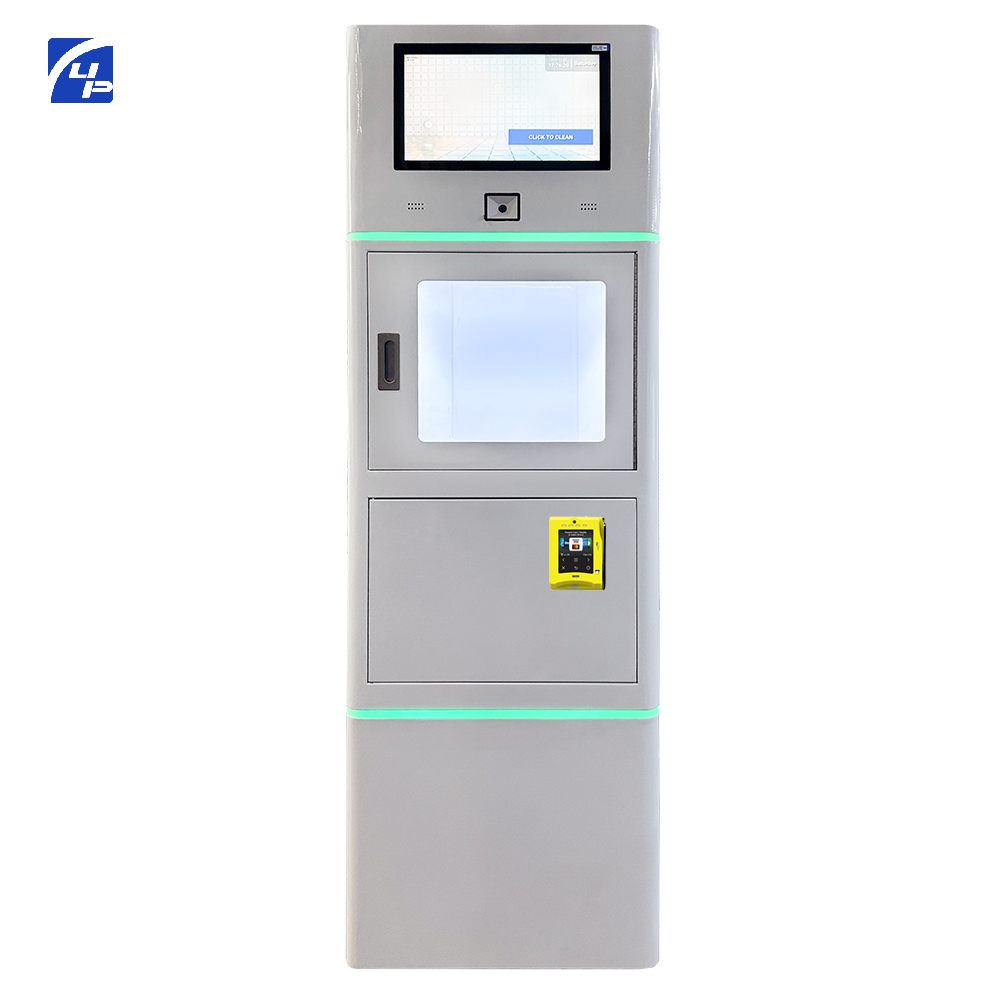
Premium footwear represents a significant investment for consumers who value quality, craftsmanship, and longevity. Whether dealing with luxury leather dress shoes, high-end athletic sneakers, or designer boots, maintaining the structural integrity of these valuable items during the cleaning process requires specialized technology. The drying mechanism within a shoe cleaning machine plays a crucial role in preserving the original shape, preventing warping, and maintaining the premium characteristics that make these shoes worth their substantial cost.
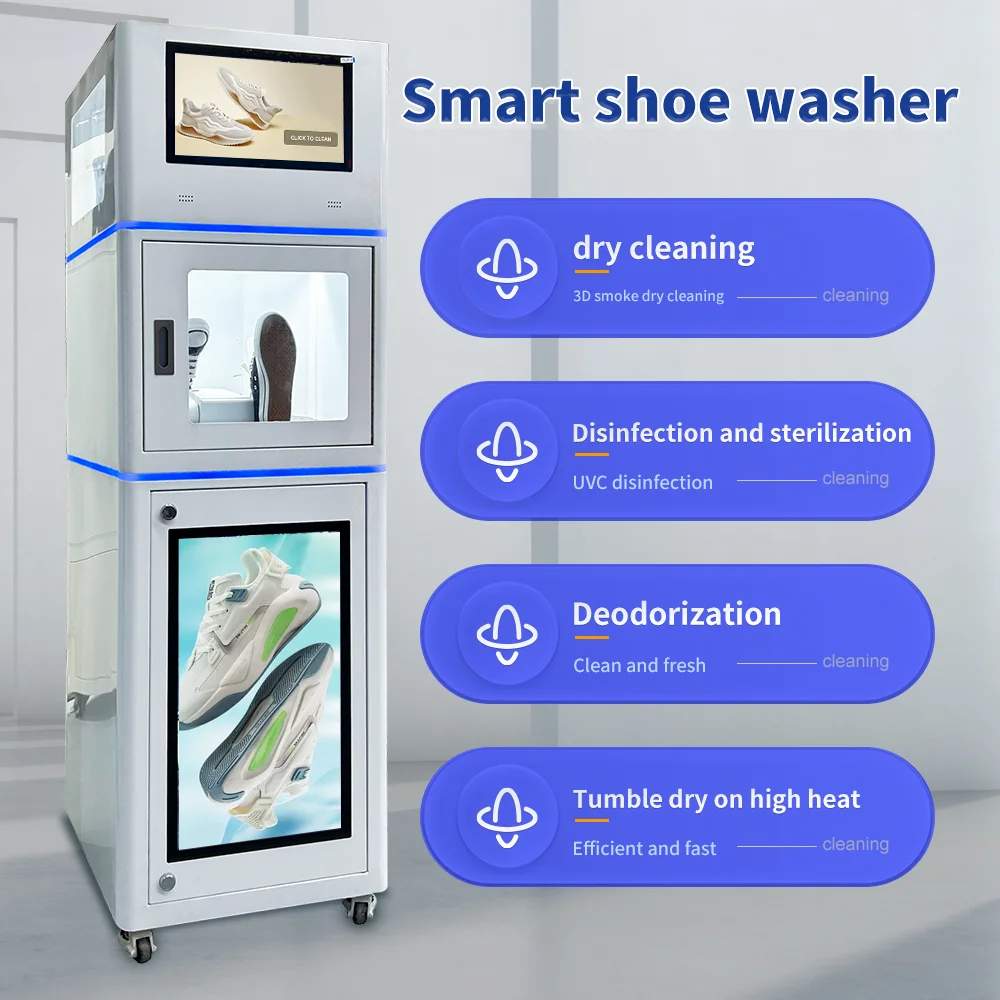
Modern commercial shoe cleaning machine systems incorporate advanced controlled-temperature drying technology that addresses the unique vulnerability of premium materials to heat-induced deformation. Unlike conventional drying methods that apply uniform high heat, these specialized systems utilize gradient temperature control, strategic air circulation patterns, and moisture management protocols specifically engineered to respect the diverse material compositions found in high-value footwear while ensuring thorough sanitization and cleaning effectiveness.
Controlled Temperature Drying Systems
Graduated Heat Distribution Technology
The most critical innovation in preventing footwear deformation lies in graduated heat distribution technology integrated within advanced shoe cleaning machine designs. This system begins the drying cycle at ambient temperature and gradually increases heat levels in carefully calibrated increments, allowing premium materials to adjust slowly to temperature changes without experiencing thermal shock that could cause warping or shrinkage.
Professional-grade units feature multiple temperature zones within the drying chamber, with lower temperatures applied to sensitive areas such as leather uppers and synthetic overlays, while slightly higher temperatures target more resilient components like rubber soles and fabric linings. This zoned approach ensures that each material component receives appropriate thermal treatment without compromising the overall structural integrity of the footwear.
The temperature control algorithms continuously monitor internal chamber conditions and automatically adjust heating elements based on real-time feedback from embedded sensors. These sensors detect moisture levels, material surface temperatures, and air circulation efficiency, ensuring that the drying process remains within safe parameters for premium footwear materials throughout the entire cycle.
Material-Specific Temperature Programming
Advanced shoe cleaning machine systems incorporate pre-programmed temperature profiles designed for specific premium material types commonly found in high-end footwear. Leather drying protocols maintain temperatures below 40°C to prevent cracking and stiffening, while synthetic material programs adjust heat levels to prevent melting or distortion of advanced polymer compounds used in athletic shoe construction.
These material-specific programs also account for the varying thermal conductivity properties of different components within a single shoe. For instance, metal eyelets and hardware require different thermal management than surrounding leather or fabric areas, and the programming compensates for these differences to ensure uniform drying without creating stress points that could lead to deformation.
The intelligent programming extends to recognizing footwear categories through user input interfaces, allowing operators to select appropriate drying protocols for dress shoes, athletic footwear, boots, or specialized categories like dance shoes or orthopedic footwear, each requiring distinct temperature management strategies to maintain their premium characteristics.
Strategic Air Circulation Engineering
Multi-Directional Airflow Patterns
Professional shoe cleaning machine systems employ sophisticated airflow engineering that creates gentle, multi-directional circulation patterns designed to support natural shoe structure during the drying process. Unlike simple forced-air systems that can create pressure points leading to deformation, these advanced circulation systems distribute air pressure evenly across all shoe surfaces.
The airflow patterns are specifically designed to enter shoes through natural openings and circulate internally without creating excessive pressure that could stretch or distort the upper materials. Strategic air intake and exhaust positioning ensures that moisture is efficiently removed from interior spaces while maintaining gentle external air pressure that supports rather than stresses the shoe structure.
Variable speed fans adjust circulation intensity based on the drying phase, beginning with gentle circulation during initial moisture removal and gradually increasing air movement as the drying process progresses. This graduated approach prevents rapid moisture loss that could cause materials to contract unevenly and create permanent deformation.
Humidity-Controlled Environment Management
Effective shoe cleaning machine designs integrate humidity control systems that manage the moisture content of the drying chamber environment. These systems prevent rapid moisture extraction that can cause premium materials to dry too quickly and lose their natural flexibility, leading to cracking, stiffening, or shape distortion.
The humidity management protocols gradually reduce chamber moisture levels while maintaining optimal relative humidity ranges for different material types. Leather materials benefit from controlled humidity reduction that preserves natural oils and flexibility, while synthetic materials require different humidity management to maintain their engineered properties.
Advanced systems incorporate moisture recovery technology that captures and manages water vapor extracted during the drying process, preventing condensation buildup that could lead to uneven drying patterns or create conditions for bacterial growth within the chamber environment.
Structural Support Integration
Shape-Maintaining Positioning Systems
Commercial shoe cleaning machine units feature specialized positioning systems that maintain proper shoe shape throughout the cleaning and drying cycles. These systems include adjustable last-like supports that insert into shoes to maintain toe box shape and heel positioning, preventing collapse or distortion during the treatment process.
The positioning supports are designed with premium material compatibility in mind, featuring non-reactive surfaces that won't stain or chemically interact with luxury leather, exotic skins, or advanced synthetic materials. The supports adjust to accommodate various shoe sizes and styles while providing consistent structural support regardless of the specific footwear design.
Professional positioning systems also include heel and ankle support mechanisms that maintain the natural curve and angle of the shoe silhouette. This comprehensive support prevents sagging or flattening of key structural elements that define the premium appearance and fit characteristics of high-value footwear.
Pressure Distribution Technology
Advanced shoe cleaning machine designs incorporate pressure distribution technology that ensures cleaning and drying forces are applied evenly across shoe surfaces without creating stress concentrations that could lead to deformation. This technology analyzes the three-dimensional shape of inserted footwear and adjusts treatment parameters accordingly.
The pressure distribution systems prevent over-treatment of delicate areas such as toe caps, heel counters, and side panels where excessive force or heat concentration could cause permanent damage. Smart sensors monitor pressure application during cleaning cycles and automatically adjust treatment intensity to maintain safe levels for premium materials.
These systems also account for the varying thickness and structural characteristics of different shoe components, ensuring that thin leather areas don't receive the same treatment intensity as thick sole sections, thereby preventing differential stress that could lead to warping or separation of components.
Advanced Moisture Management Protocols
Selective Moisture Extraction Technology
Professional shoe cleaning machine systems utilize selective moisture extraction technology that removes water and cleaning solution residues without depleting the natural moisture content essential for premium material flexibility and longevity. This technology distinguishes between unwanted surface moisture and beneficial material hydration.
The selective extraction process employs controlled vacuum systems and targeted air circulation that efficiently remove cleaning fluids and surface water while preserving the natural moisture balance within leather fibers and other organic materials. This approach prevents the brittleness and cracking that can result from over-drying premium footwear.
Advanced moisture management also includes post-cleaning conditioning protocols that restore appropriate moisture levels to materials that may have experienced some dehydration during the cleaning process. These protocols ensure that shoes exit the shoe cleaning machine with optimal moisture content for long-term material health and structural integrity.
Residue Prevention and Elimination
Effective drying technology in professional shoe cleaning machine systems includes comprehensive residue prevention and elimination protocols that ensure no cleaning solution deposits remain to cause staining, stiffening, or chemical damage to premium materials. These protocols are essential for maintaining the appearance and feel of luxury footwear.
The residue elimination process employs multiple rinse and extraction cycles combined with controlled temperature drying that prevents cleaning solution crystallization or deposit formation on shoe surfaces. Advanced systems monitor chemical residue levels throughout the cleaning process and adjust treatment parameters to ensure complete removal without over-processing.
Final drying phases include specialized air circulation patterns designed specifically to prevent residue concentration in shoe creases, seams, or textured areas where deposits could accumulate and cause long-term damage to premium materials or interfere with the natural flexibility and comfort characteristics of high-end footwear.
FAQ
What temperature range is safe for drying premium leather shoes in a commercial shoe cleaning machine?
Premium leather shoes should be dried at temperatures between 30°C and 40°C maximum to prevent cracking, stiffening, or color changes. Professional shoe cleaning machines utilize graduated temperature control that begins at ambient temperature and slowly increases to safe levels while monitoring material response throughout the drying cycle to ensure optimal results without deformation risk.
How does controlled airflow prevent shoe deformation during machine cleaning?
Controlled airflow systems create gentle, multi-directional circulation patterns that distribute air pressure evenly across shoe surfaces without creating stress points. The strategic airflow enters through natural openings and circulates internally while maintaining supportive external pressure, preventing rapid moisture loss and material contraction that could cause permanent shape distortion in premium footwear.
Why is humidity control important in preventing premium shoe deformation?
Humidity control prevents rapid moisture extraction that can cause premium materials to dry too quickly and lose natural flexibility, leading to cracking or shape distortion. Professional shoe cleaning machines maintain optimal relative humidity ranges specific to different material types, ensuring gradual moisture reduction while preserving material properties essential for structural integrity.
What structural support features should a shoe cleaning machine have for premium footwear?
A professional shoe cleaning machine should include adjustable last-like supports that maintain toe box shape, heel positioning mechanisms, and pressure distribution technology that prevents stress concentrations. These features work together to provide comprehensive structural support throughout cleaning and drying cycles, ensuring premium footwear maintains its original shape and premium characteristics after treatment.
Table of Contents
- Controlled Temperature Drying Systems
- Strategic Air Circulation Engineering
- Structural Support Integration
- Advanced Moisture Management Protocols
-
FAQ
- What temperature range is safe for drying premium leather shoes in a commercial shoe cleaning machine?
- How does controlled airflow prevent shoe deformation during machine cleaning?
- Why is humidity control important in preventing premium shoe deformation?
- What structural support features should a shoe cleaning machine have for premium footwear?