 EN
EN
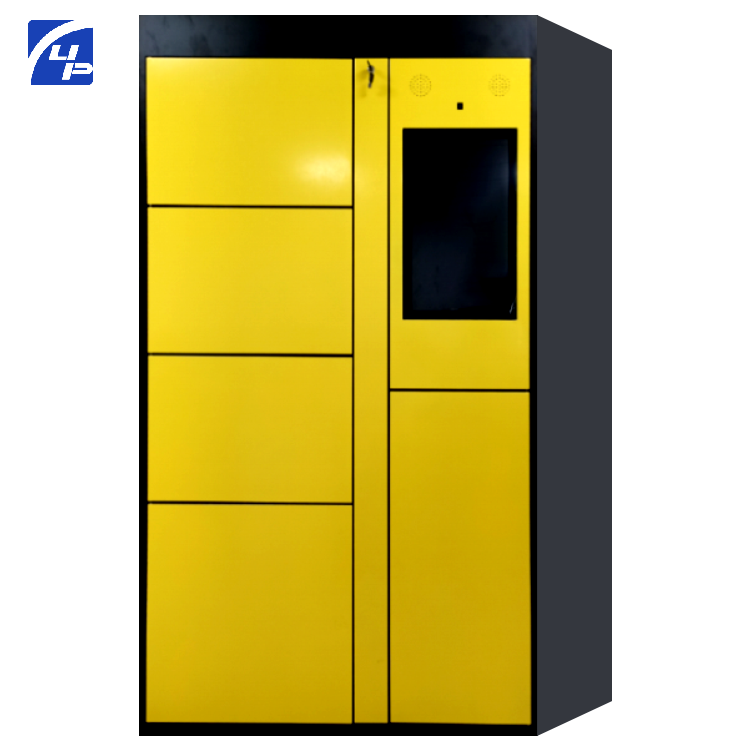
Modern warehousing operations face unprecedented challenges in managing inventory, ensuring security, and maintaining operational efficiency. Traditional storage methods often fall short of meeting the demands of today's fast-paced distribution centers and logistics hubs. Smart storage lockers represent a revolutionary solution that transforms how warehouses handle tools, equipment, and high-value items. These intelligent systems combine cutting-edge technology with practical storage solutions to deliver measurable improvements in productivity, security, and cost management across diverse industrial environments.
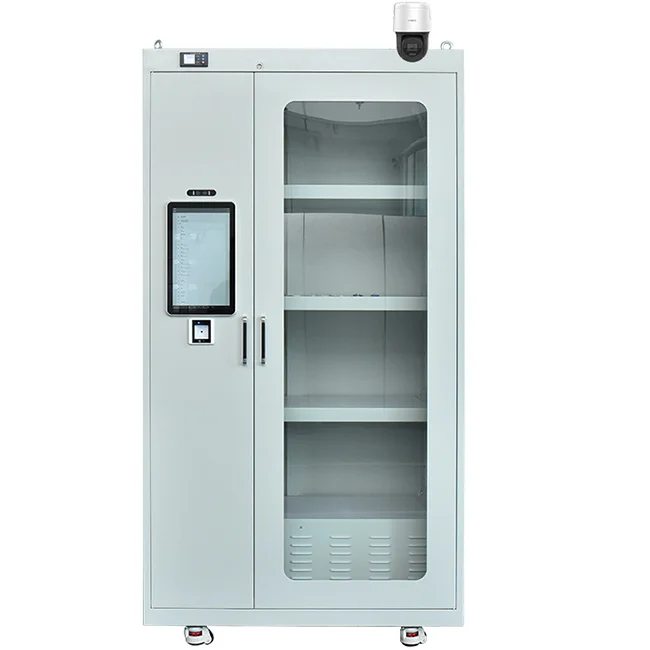
Enhanced Security and Access Control
Multi-Layer Authentication Systems
Smart storage lockers implement sophisticated authentication protocols that go far beyond traditional lock-and-key systems. These advanced units utilize RFID technology, biometric scanners, and digital keypads to ensure only authorized personnel can access specific compartments. The multi-factor authentication approach significantly reduces the risk of theft and unauthorized access while maintaining detailed logs of every interaction. Each access attempt is recorded with timestamps, user identification, and specific locker details, creating an comprehensive audit trail for security managers.
The integration of smart storage lockers with existing security infrastructure allows warehouse managers to establish granular access permissions based on employee roles, shift schedules, and project requirements. This flexibility ensures that temporary workers, contractors, and different departments can be granted appropriate access levels without compromising overall security protocols. The system automatically revokes access when employment ends or project assignments change, eliminating the security gaps often associated with traditional key management systems.
Real-Time Monitoring and Alerts
Advanced monitoring capabilities built into smart storage lockers provide warehouse managers with instant visibility into storage activities across their facilities. The systems generate real-time alerts for various scenarios, including unauthorized access attempts, extended checkout periods, and maintenance requirements. These proactive notifications enable rapid response to security incidents and help prevent equipment loss or misuse before problems escalate.
The monitoring dashboard displays comprehensive analytics about usage patterns, peak access times, and equipment turnover rates. This data-driven approach helps operations managers optimize locker placement, adjust inventory levels, and identify training opportunities for staff members who may need additional guidance on proper equipment handling procedures.
Automated Inventory Management
Real-Time Asset Tracking
Smart storage lockers revolutionize inventory management by providing continuous, automated tracking of every item stored within the system. RFID tags and sensors automatically detect when items are removed or returned, updating inventory databases in real-time without requiring manual data entry. This eliminates the time-consuming process of physical inventory counts and reduces human errors that commonly occur with traditional tracking methods.
The automated tracking capabilities extend beyond simple in-and-out monitoring to include detailed usage analytics. Warehouse managers can identify which tools and equipment are most frequently used, determine optimal stocking levels, and predict maintenance needs based on usage patterns. This intelligence enables more strategic purchasing decisions and helps prevent costly equipment shortages that can disrupt operations.
Predictive Maintenance Scheduling
Integration with maintenance management systems allows smart storage lockers to track equipment condition and usage hours automatically. The system can schedule preventive maintenance based on actual usage data rather than arbitrary time intervals, ensuring optimal equipment performance while minimizing unnecessary maintenance costs. Automated alerts notify maintenance teams when equipment requires attention, helping prevent unexpected breakdowns that could halt warehouse operations.
The predictive maintenance capabilities also extend to the locker systems themselves. Built-in diagnostics monitor component health, door mechanisms, and electronic systems to identify potential issues before they cause system failures. This proactive approach ensures maximum uptime and reliability of the storage infrastructure.
Operational Efficiency and Cost Reduction
Streamlined Equipment Distribution
Smart storage lockers eliminate the bottlenecks commonly associated with traditional tool cribs and equipment distribution centers. Workers can access needed tools and equipment instantly without waiting for attendants or searching through disorganized storage areas. The self-service nature of these systems reduces labor costs associated with equipment management while improving worker productivity through faster tool retrieval processes.
The strategic placement of smart storage lockers throughout warehouse facilities brings equipment closer to point-of-use locations, reducing travel time and improving operational flow. Workers spend less time walking to central storage areas and more time on productive activities. The system's ability to reserve specific tools for upcoming shifts or projects further enhances efficiency by ensuring equipment availability when needed.
Reduced Equipment Loss and Damage
Traditional storage methods often result in significant equipment loss due to misplacement, unauthorized borrowing, or inadequate tracking systems. Smart storage lockers virtually eliminate these issues through comprehensive tracking and accountability measures. Each item checkout is linked to a specific employee, creating clear responsibility for equipment care and return. The system can automatically charge replacement costs to departments or individuals who fail to return items within specified timeframes.
The controlled environment within smart storage lockers also protects equipment from damage caused by improper storage conditions. Climate control features maintain optimal temperature and humidity levels for sensitive instruments, while secure compartments prevent damage from impacts or contamination. This protection extends equipment lifespan and reduces replacement costs significantly over time.
Data Analytics and Performance Insights
Usage Pattern Analysis
Smart storage lockers generate vast amounts of data about equipment usage patterns, employee behavior, and operational trends within warehouse environments. Advanced analytics platforms process this information to provide actionable insights that help managers optimize resource allocation and improve operational efficiency. Understanding peak usage times, popular equipment items, and seasonal variations enables better planning and resource management decisions.
The data analytics capabilities extend to identifying training needs and operational inefficiencies. Managers can track which employees require additional training on specific equipment, monitor compliance with safety protocols, and identify departments that may benefit from process improvements. This intelligence-driven approach to workforce development improves overall operational performance and safety standards.
ROI Measurement and Optimization
Comprehensive reporting features built into smart storage lockers provide detailed metrics for measuring return on investment and system performance. Managers can track cost savings from reduced equipment loss, improved productivity metrics, and decreased labor costs associated with equipment management. These quantifiable benefits help justify system investments and guide expansion decisions for additional locker installations.
The optimization features use historical data and machine learning algorithms to recommend improvements in locker configuration, equipment distribution, and maintenance scheduling. This continuous improvement approach ensures that smart storage lockers deliver maximum value throughout their operational lifecycle while adapting to changing warehouse requirements and operational patterns.
Integration with Existing Systems
ERP and WMS Connectivity
Modern smart storage lockers integrate seamlessly with existing Enterprise Resource Planning and Warehouse Management Systems through standardized APIs and communication protocols. This connectivity ensures that inventory data flows automatically between systems, eliminating data silos and providing comprehensive visibility across all warehouse operations. The integration enables synchronized reporting and analysis that spans beyond just storage activities to include broader operational metrics.
The system integration capabilities support various data formats and communication standards, making it possible to connect with legacy systems and newer cloud-based platforms alike. This flexibility ensures that warehouses can implement smart storage lockers without requiring extensive modifications to existing IT infrastructure or operational processes.
Scalability and Future-Proofing
Smart storage lockers are designed with scalability in mind, allowing warehouse operations to expand their storage capabilities gradually as needs evolve. Modular designs enable easy addition of new locker units without disrupting existing operations, while cloud-based management platforms can accommodate growing numbers of users and locations without performance degradation.
The future-proofing aspects of smart storage lockers include regular software updates that add new features and security enhancements. These updates ensure that systems remain current with evolving technology standards and regulatory requirements while protecting the long-term value of infrastructure investments.
FAQ
How do smart storage lockers improve warehouse security compared to traditional storage methods
Smart storage lockers provide superior security through multiple authentication methods including RFID, biometrics, and digital codes, while maintaining detailed access logs and real-time monitoring. Unlike traditional locks that can be duplicated or compromised, smart storage lockers create unique access credentials for each authorized user and automatically track all interactions with timestamps and user identification.
What types of equipment and tools can be stored in smart storage lockers
Smart storage lockers accommodate a wide variety of equipment including hand tools, measuring instruments, safety devices, electronic components, and valuable spare parts. The modular compartment designs can be configured for different item sizes and shapes, while climate control features protect sensitive equipment from environmental damage during storage periods.
How much maintenance do smart storage lockers require in warehouse environments
Smart storage lockers require minimal maintenance due to robust construction and self-diagnostic capabilities that identify potential issues before they cause failures. Regular maintenance typically involves basic cleaning, software updates, and periodic calibration of sensors, with most systems providing predictive maintenance alerts to optimize service scheduling and minimize downtime.
Can smart storage lockers integrate with existing warehouse management software
Yes, smart storage lockers integrate seamlessly with most warehouse management systems through standardized APIs and communication protocols. This integration enables automatic data synchronization, unified reporting, and coordinated workflow management across all warehouse operations without requiring extensive modifications to existing software infrastructure.
Table of Contents
- Enhanced Security and Access Control
- Automated Inventory Management
- Operational Efficiency and Cost Reduction
- Data Analytics and Performance Insights
- Integration with Existing Systems
-
FAQ
- How do smart storage lockers improve warehouse security compared to traditional storage methods
- What types of equipment and tools can be stored in smart storage lockers
- How much maintenance do smart storage lockers require in warehouse environments
- Can smart storage lockers integrate with existing warehouse management software