 EN
EN
The hospitality and fitness industries are experiencing a revolutionary transformation with the introduction of innovative cleaning solutions that cater to modern consumer demands. Hotels and gyms worldwide are increasingly recognizing the value of offering comprehensive amenities that go beyond traditional services, leading to the widespread adoption of automated cleaning equipment in their facilities. This trend reflects a growing awareness of hygiene standards and customer convenience, particularly in environments where footwear cleanliness directly impacts overall facility maintenance and guest satisfaction.
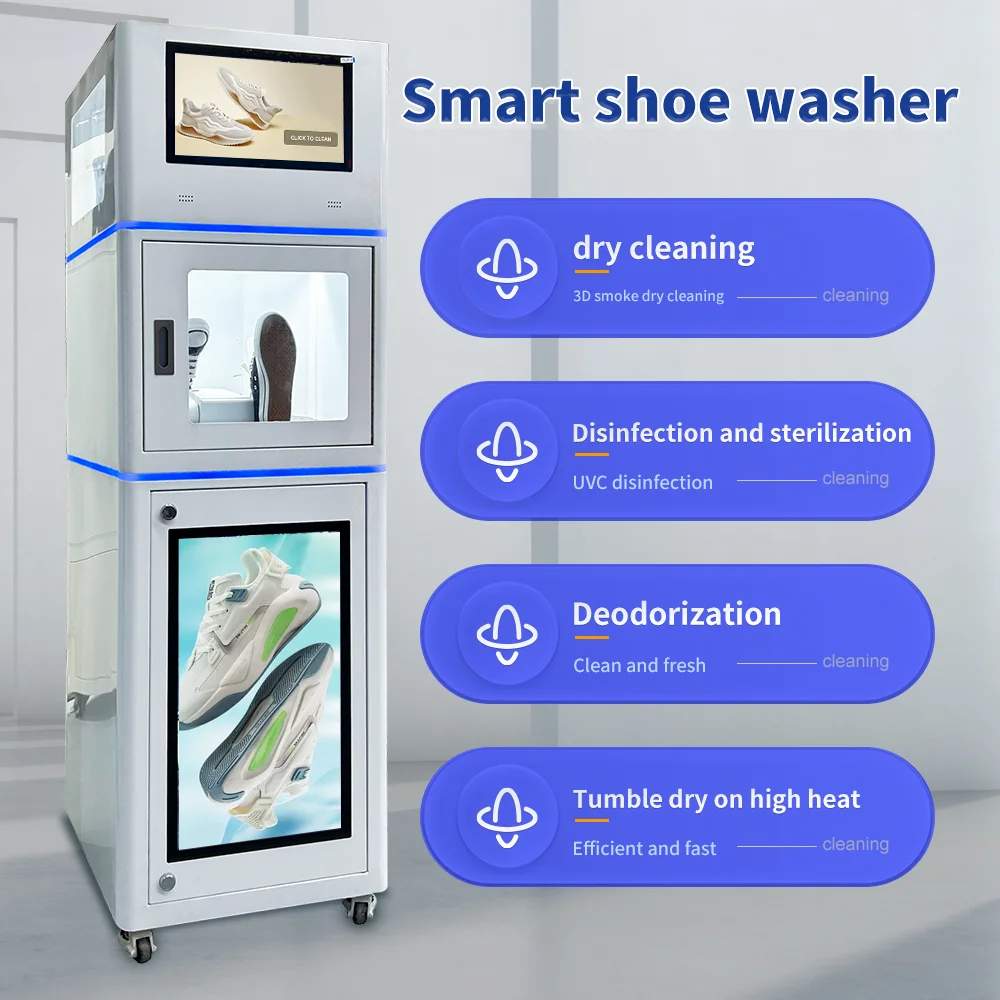
The integration of specialized cleaning equipment represents more than just a luxury amenity—it addresses genuine operational challenges faced by these establishments. Muddy boots from hiking guests, sweaty athletic shoes from gym members, and general footwear maintenance needs have created a market demand that traditional cleaning methods simply cannot efficiently address. Facility managers are discovering that investing in automated solutions not only enhances customer experience but also reduces staff workload and improves overall cleanliness standards throughout their properties.
Enhanced Guest Experience and Convenience
Meeting Modern Traveler Expectations
Today's travelers arrive at hotels with diverse footwear needs, from hiking boots covered in trail mud to designer sneakers requiring delicate care. Traditional shoe cleaning services are labor-intensive and time-consuming, often requiring guests to wait extended periods or leave their footwear overnight. Modern shoe washing machines eliminate these inconveniences by providing immediate, self-service cleaning solutions that operate efficiently around the clock. Guests can simply insert their footwear, select appropriate cleaning settings, and retrieve perfectly cleaned shoes within minutes.
The convenience factor extends beyond simple cleaning to include comprehensive care options such as deodorizing, sanitizing, and quick-drying capabilities. Hotels implementing these systems report significantly higher guest satisfaction scores, particularly among outdoor enthusiasts and business travelers who value maintaining professional appearances. The ability to provide on-demand footwear care creates a memorable service differentiator that encourages repeat bookings and positive reviews across digital platforms.
Creating Memorable Service Touchpoints
Strategic placement of automated cleaning equipment transforms mundane maintenance tasks into positive guest interactions. Hotels position these machines in high-visibility areas such as lobby entrances, fitness centers, and outdoor activity stations, creating natural conversation starters and Instagram-worthy amenities. The modern, sleek design of contemporary cleaning equipment complements upscale hotel aesthetics while providing practical functionality that guests genuinely appreciate.
Service differentiation in the hospitality industry increasingly depends on unexpected amenities that solve real problems. Shoe washing machines represent precisely this type of innovation, addressing needs that guests may not have articulated but immediately recognize as valuable. Properties offering such amenities often become preferred destinations for specific market segments, including outdoor recreation enthusiasts, athletic teams, and business professionals seeking comprehensive service packages.
Operational Efficiency and Cost Management
Reducing Labor Costs and Staff Burden
Traditional shoe cleaning services require dedicated staff time, specialized cleaning supplies, and designated work areas that may not efficiently utilize available space. Automated systems dramatically reduce these operational requirements by handling the entire cleaning process without human intervention, allowing staff to focus on higher-value guest services. The time savings compound significantly across multiple daily cleaning requests, particularly during peak seasons when traditional methods would require additional temporary staffing.
Maintenance costs for automated equipment prove surprisingly economical when compared to ongoing labor expenses and supply replenishment associated with manual cleaning methods. Modern shoe washing machines operate with minimal water usage, eco-friendly cleaning solutions, and energy-efficient drying systems that align with sustainability initiatives while maintaining cost-effectiveness. Hotels report substantial savings in housekeeping supply budgets and overtime expenses previously associated with accommodating guest cleaning requests during busy periods.
Revenue Generation Opportunities
Many establishments implement coin-operated or card-payment systems that transform shoe cleaning from a cost center into a revenue-generating amenity. Pricing strategies typically range from modest fees that cover operational costs to premium charges for specialized cleaning cycles, creating flexible options that accommodate different guest preferences and budget considerations. The revenue potential increases significantly in locations with high outdoor activity levels or extended-stay business clientele.
Beyond direct revenue generation, shoe washing machines contribute to ancillary income through extended guest stays and increased facility utilization. Guests who can maintain their footwear condition are more likely to participate in outdoor activities, utilize fitness facilities, and extend their visits, directly impacting overall property revenue. The equipment also attracts day-use customers who may not be hotel guests but require cleaning services, expanding the potential customer base beyond registered visitors.
Hygiene Standards and Health Considerations
Preventing Cross-Contamination
Professional-grade shoe washing machines incorporate sanitization features that eliminate bacteria, fungi, and other pathogens commonly found on footwear surfaces. This capability proves particularly valuable in gym environments where athletes share common areas and equipment, potentially spreading foot-related infections through contaminated shoes. Advanced cleaning cycles include UV sterilization, high-temperature washing, and antimicrobial treatment options that exceed manual cleaning effectiveness.
The automated cleaning process ensures consistent application of sanitizing agents and appropriate contact times that human operators might not achieve reliably. Each cleaning cycle follows programmed protocols that maintain optimal chemical concentrations and mechanical action, resulting in superior hygiene outcomes compared to variable manual cleaning techniques. This consistency particularly benefits facilities serving immune-compromised individuals or maintaining strict health department compliance requirements.
Addressing Environmental Concerns
Modern shoe washing machines utilize water recycling systems and biodegradable cleaning agents that minimize environmental impact while maximizing cleaning effectiveness. These systems typically consume 70% less water than traditional washing methods while achieving superior cleaning results through optimized spray patterns and cleaning solution circulation. The environmental benefits align with corporate sustainability goals and appeal to environmentally conscious consumers who increasingly choose facilities based on ecological practices.
Chemical usage optimization reduces both environmental impact and operational costs through precise dispensing systems that eliminate waste and overuse. Many machines incorporate sensors that adjust cleaning intensity based on soil levels, ensuring adequate cleaning while minimizing unnecessary chemical consumption. This intelligent approach to resource management demonstrates corporate responsibility while maintaining exceptional cleaning standards that exceed guest expectations.
Technology Integration and User Experience
Smart Features and Connectivity
Contemporary shoe washing machines integrate seamlessly with property management systems, mobile applications, and payment processing platforms to create streamlined user experiences. Guests can initiate cleaning cycles remotely, monitor progress through smartphone apps, and receive notifications when their footwear is ready for collection. These technological integrations eliminate waiting time uncertainty and allow guests to continue other activities while their shoes undergo professional cleaning.
Advanced models incorporate artificial intelligence that learns from usage patterns to optimize cleaning cycles and predict maintenance requirements. Facility managers receive real-time operational data, usage analytics, and performance metrics that inform strategic decisions about equipment placement, pricing adjustments, and service enhancements. This data-driven approach enables continuous improvement of guest services while maximizing equipment return on investment.
Customizable Cleaning Programs
Multiple cleaning programs accommodate different footwear materials, soil levels, and time constraints to provide personalized service options. Athletic shoes require different treatment protocols than leather dress shoes, and heavily soiled hiking boots need more intensive cleaning than lightly worn sneakers. Modern shoe washing machines recognize these differences and adjust cleaning parameters accordingly, ensuring optimal results without risk of damage to expensive footwear.
User interface design prioritizes simplicity while offering sophisticated customization options for guests who desire specific cleaning treatments. Touch-screen displays guide users through available options with visual aids and material-specific recommendations, making the equipment accessible to international guests and individuals unfamiliar with automated cleaning systems. The intuitive operation encourages usage while building confidence in the cleaning quality and equipment reliability.
Market Trends and Industry Adoption
Growing Demand Across Facility Types
The adoption of shoe washing machines extends beyond hotels and gyms to include shopping centers, airports, office buildings, and recreational facilities seeking to enhance customer experience and maintain cleanliness standards. Market research indicates steady growth in demand driven by increased awareness of hygiene importance and rising consumer expectations for comprehensive facility amenities. This expansion creates economies of scale that reduce equipment costs and improve service availability.
Industry surveys reveal that facilities offering automated shoe cleaning services experience measurable improvements in customer satisfaction metrics and facility cleanliness ratings. The competitive advantage gained through these amenities often justifies the initial investment through improved customer retention and positive word-of-mouth marketing. Early adopters frequently report that shoe washing machines become signature amenities that distinguish their properties from competitors.
Future Development Possibilities
Emerging technologies promise even more sophisticated shoe washing machines with enhanced cleaning capabilities, reduced environmental impact, and improved user experiences. Developments in nanotechnology cleaning agents, water reclamation systems, and artificial intelligence optimization suggest continued evolution toward more efficient and effective cleaning solutions. These advances will likely expand market adoption across additional facility types and geographic regions.
Integration possibilities with Internet of Things ecosystems and smart building management systems create opportunities for seamless facility operations and enhanced data collection capabilities. Future shoe washing machines may automatically adjust cleaning parameters based on local weather conditions, facility usage patterns, and individual user preferences stored in loyalty programs. These innovations will further strengthen the value proposition for facilities considering equipment investment.
FAQ
What types of shoes can be cleaned in automated shoe washing machines?
Most modern shoe washing machines accommodate various footwear types including athletic sneakers, hiking boots, work boots, canvas shoes, and synthetic materials. However, delicate materials such as suede, genuine leather dress shoes, and shoes with electronic components may require special settings or should be cleaned using alternative methods. Always consult the machine's material compatibility guide before processing expensive or delicate footwear.
How long does a typical shoe cleaning cycle take?
Standard cleaning cycles range from 5 to 15 minutes depending on the selected program intensity and drying requirements. Quick cleaning options for lightly soiled shoes may complete in 5-7 minutes, while intensive cleaning for heavily soiled outdoor footwear typically requires 10-15 minutes. Many machines offer express options for time-conscious users and extended cycles for thoroughly soiled footwear.
Are automated shoe cleaning results comparable to professional shoe repair services?
Automated shoe washing machines excel at removing surface dirt, odors, and general contamination but may not address structural repairs, deep stains, or restoration needs that require professional cobbler services. The machines provide excellent maintenance cleaning that extends footwear life and appearance but are not intended to replace specialized repair or restoration services for damaged or heavily worn shoes.
What maintenance requirements do shoe washing machines have?
Regular maintenance includes daily cleaning solution refilling, weekly interior cleaning, monthly filter replacement, and quarterly professional servicing for optimal performance. Most modern machines include automated maintenance alerts and diagnostic systems that notify operators when service is required. Proper maintenance ensures consistent cleaning quality, extends equipment lifespan, and maintains warranty coverage for facility investments.