 EN
EN
The Rise of Automated Safety Solutions in Modern Cities
Urban mobility is experiencing a revolutionary transformation with the integration of helmet vending machines across transportation networks worldwide. These innovative automated systems are reshaping how city dwellers approach safety in shared mobility, particularly with the explosive growth of bike-sharing and e-scooter services. As cities become increasingly focused on sustainable transportation options, helmet vending machines have emerged as a crucial infrastructure element that bridges the gap between convenience and safety.
Recent urban development reports indicate that helmet vending machines are being installed at strategic locations throughout metropolitan areas, making protective gear readily accessible to commuters and casual riders alike. This trend reflects a broader shift in urban planning priorities, where safety infrastructure adapts to support the growing micromobility movement.
Understanding the Technology Behind Modern Helmet Dispensing Systems
Smart Vending Technology and IoT Integration
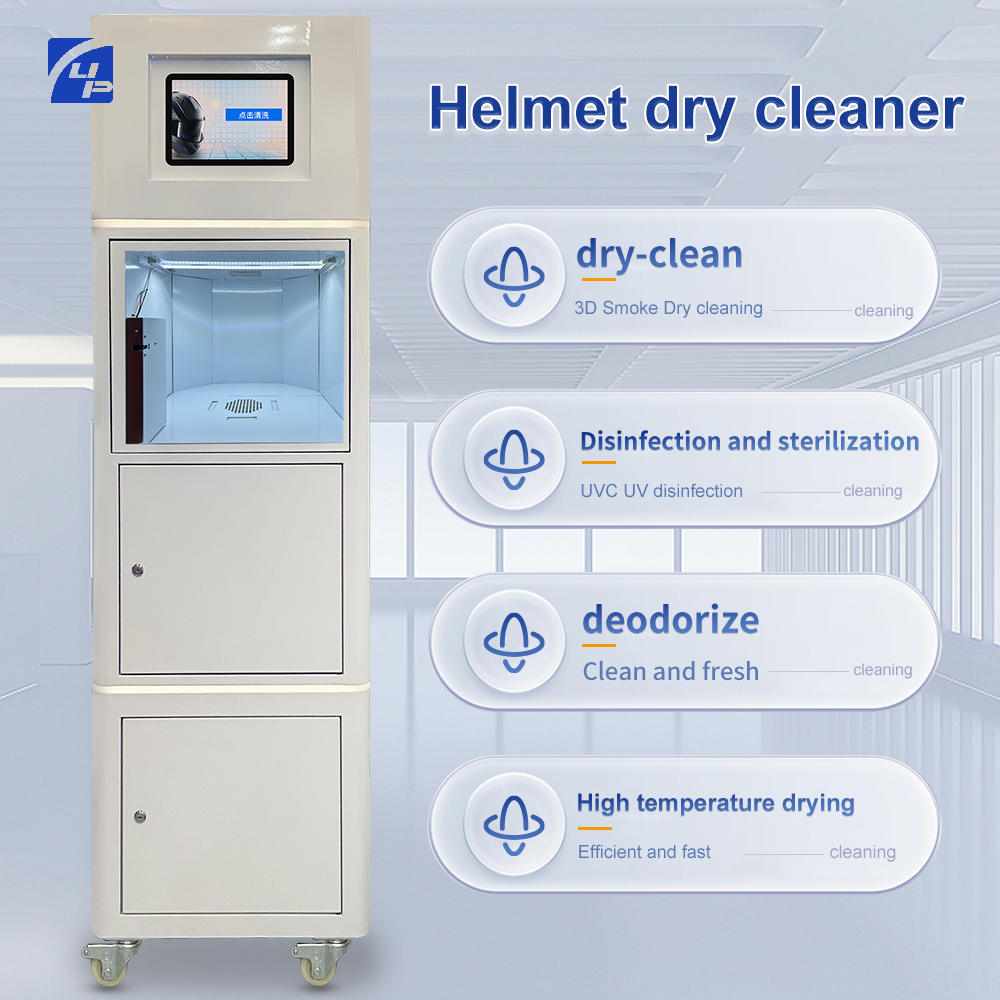
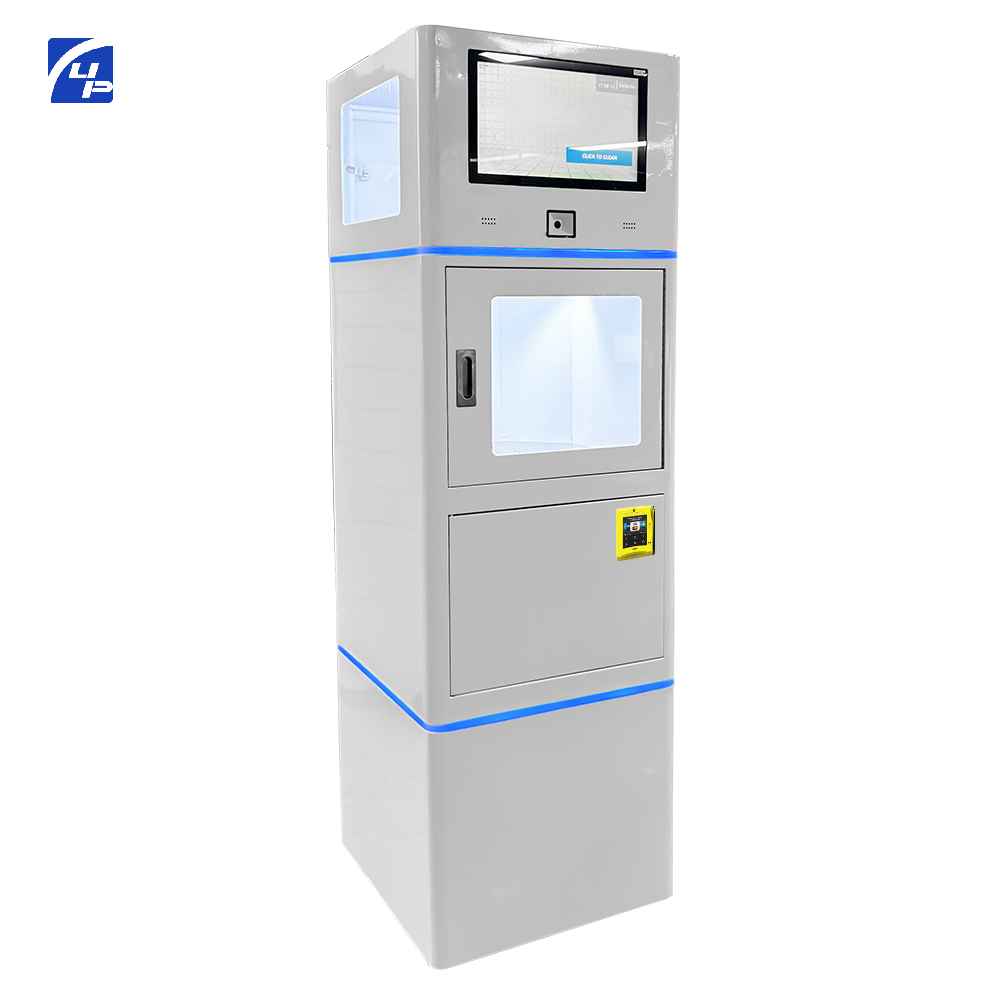
Modern helmet vending machines incorporate sophisticated technology that goes far beyond simple dispensing mechanisms. These systems utilize Internet of Things (IoT) connectivity to monitor inventory levels, track usage patterns, and ensure optimal maintenance schedules. The machines feature touchscreen interfaces, multiple payment options, and real-time communication with central management systems.
Advanced sanitization features have become standard in newer models, addressing hygiene concerns through UV sterilization and automated cleaning processes between uses. This technological integration ensures that each helmet meets safety and cleanliness standards before reaching the next user.
Inventory Management and Maintenance Systems
The backbone of successful helmet vending machines lies in their sophisticated inventory management capabilities. These systems employ predictive analytics to anticipate demand patterns and automatically trigger restocking notifications when supplies run low. Regular maintenance protocols are built into the system's operational framework, ensuring consistent performance and reliability.
Remote monitoring capabilities allow operators to track machine status, resolve technical issues promptly, and gather valuable usage data that helps optimize placement and inventory levels across the network.
Benefits for Urban Transportation Networks
Enhanced Safety Compliance and Accessibility
Helmet vending machines significantly improve safety compliance rates among shared mobility users. By providing immediate access to protective gear, these systems remove one of the primary barriers to safe riding practices. Studies have shown that convenient helmet access can increase helmet usage rates by up to 70% in areas where such machines are deployed.
The strategic placement of these machines near bike-sharing stations and public transit hubs creates a seamless safety infrastructure that encourages responsible riding behavior while minimizing the excuse of helmet unavailability.
Cost-Effective Risk Management
For city administrators and mobility service providers, helmet vending machines represent a cost-effective approach to risk management. The initial investment in these systems is offset by reduced liability exposure and potential insurance costs. Additionally, the automated nature of these machines minimizes operational overhead compared to traditional helmet distribution methods.
The self-service model also reduces the burden on transit staff and eliminates the need for permanent helmet storage facilities at every location.
Implementation Strategies for Cities
Location Planning and Network Design
Successful deployment of helmet vending machines requires careful consideration of location strategies. High-traffic areas, tourist destinations, and major transit intersections typically yield the best usage rates. Cities must analyze pedestrian flow patterns, micromobility usage data, and accident statistics to optimize machine placement.
Creating a comprehensive network of helmet vending machines involves collaboration between urban planners, transportation authorities, and mobility service providers to ensure maximum coverage and accessibility.
Public Education and Awareness Campaigns
The introduction of helmet vending machines must be accompanied by robust public education initiatives. Cities should implement multimedia campaigns to raise awareness about the availability and proper use of these machines. Educational content should highlight safety benefits, demonstrate the simple rental process, and address common concerns about shared helmet use.
Engagement with community organizations and local businesses can help promote the service and establish it as an integral part of the urban mobility ecosystem.
Future Developments and Trends
Integration with Smart City Infrastructure
The evolution of helmet vending machines continues as cities embrace smart technology integration. Future systems will likely feature enhanced connectivity with mobile apps, allowing users to reserve helmets in advance, track availability, and receive personalized safety recommendations based on their riding patterns.
Advanced machine learning algorithms will optimize distribution networks, predicting demand fluctuations and automatically adjusting inventory levels to meet changing needs across different locations and seasons.
Expanding Service Models
Innovative service models are emerging to complement traditional vending operations. Subscription-based access, loyalty programs, and integration with existing transportation payment systems are being explored to enhance user convenience and encourage regular helmet use.
Some cities are experimenting with hybrid models that combine automated vending with mobile helmet delivery services, providing flexible solutions for different user preferences and situations.
Frequently Asked Questions
How are shared helmets kept clean and sanitized?
Modern helmet vending machines employ advanced sanitization systems including UV light treatment, automated spray cleaning, and replaceable hygiene liners. Each helmet undergoes a thorough sanitization process between uses, and machines are regularly maintained to ensure proper functioning of cleaning systems.
What happens if a helmet is damaged or malfunctioning?
Helmet vending machines include built-in inspection protocols where users can report damaged items through the interface. Damaged helmets are automatically flagged in the system and removed from circulation until they can be inspected and either repaired or replaced by maintenance staff.
Can I reserve a helmet in advance?
Many modern helmet vending systems now offer reservation capabilities through mobile apps or online platforms. Users can check helmet availability at specific locations and reserve their equipment in advance, ensuring availability when needed for planned trips or commutes.