 EN
EN
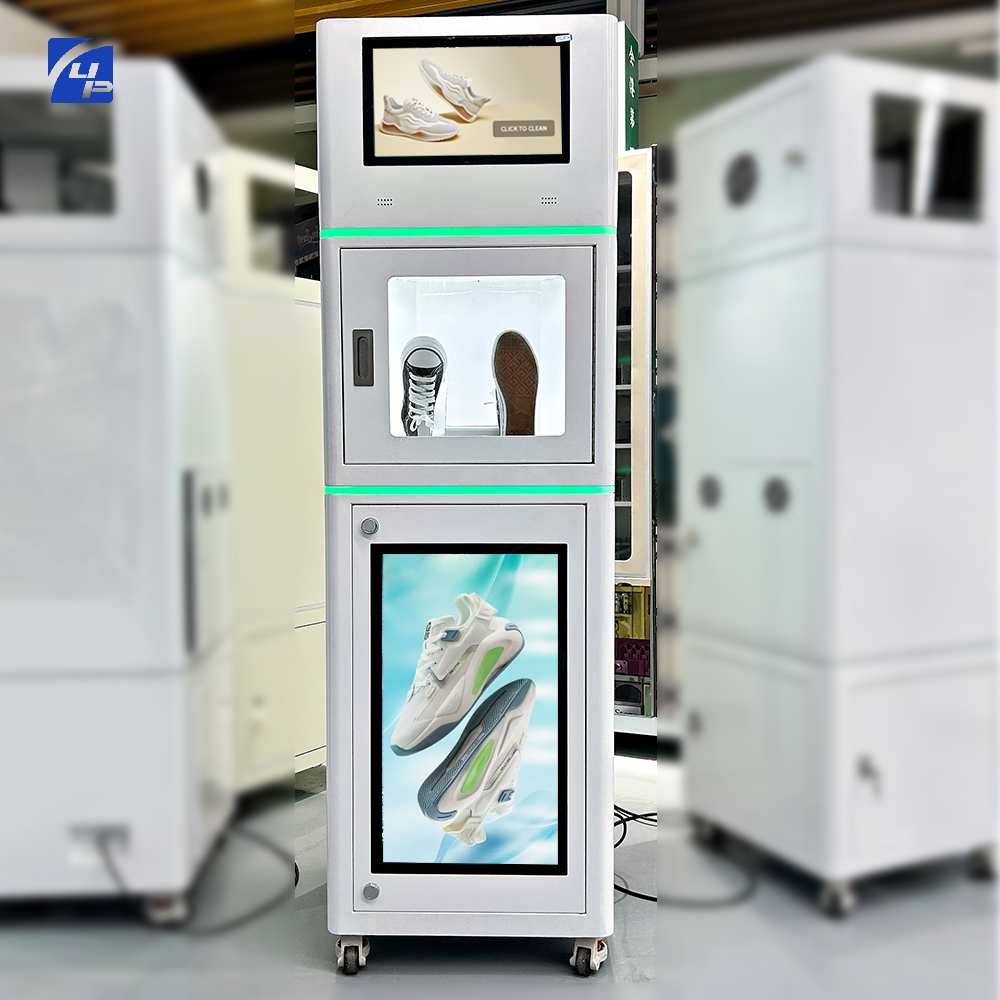
The Rise of Automated Footwear Cleaning Solutions in Business Settings
In recent years, shoe washing machines have transformed from a novelty concept to an essential amenity in commercial spaces worldwide. These innovative cleaning systems are revolutionizing how businesses maintain cleanliness and professional standards while offering unprecedented convenience to their employees and visitors. From corporate offices to healthcare facilities, the integration of shoe washing machines represents a significant shift in how organizations approach footwear hygiene and workplace cleanliness.
The growing adoption of shoe washing machines reflects a broader trend toward automated cleaning solutions and increased awareness of hygiene standards in professional environments. These sophisticated devices not only ensure pristine footwear but also contribute to maintaining clean indoor spaces and promoting a more professional atmosphere.
Benefits of Commercial Shoe Washing Technology
Enhanced Workplace Hygiene Standards
Modern shoe washing machines provide comprehensive cleaning capabilities that significantly reduce the transfer of outdoor contaminants into indoor spaces. The advanced cleaning mechanisms effectively remove dirt, bacteria, and other harmful substances that traditional manual cleaning methods might miss. This technological solution helps maintain higher hygiene standards throughout the facility, particularly crucial in environments where cleanliness is paramount.
These machines utilize specialized cleaning agents and mechanical actions to ensure thorough sanitation of footwear. The process not only cleanses visible dirt but also addresses microscopic contaminants that could compromise indoor air quality and surface cleanliness. For businesses investing in workplace health, shoe washing machines represent a proactive approach to maintaining hygiene standards.
Time and Resource Efficiency
Commercial shoe washing machines dramatically reduce the time and effort required for footwear maintenance. Instead of manual cleaning methods that can be time-consuming and inconsistent, these machines provide quick, thorough cleaning cycles that typically take just a few minutes. This efficiency translates to improved productivity as employees spend less time maintaining their footwear and more time focusing on their core responsibilities.
The automated nature of shoe washing machines also means reduced labor costs associated with cleaning and maintenance staff. Businesses can optimize their resource allocation while ensuring consistent cleaning results across all users. The machines' durability and low maintenance requirements further contribute to their cost-effectiveness in commercial settings.
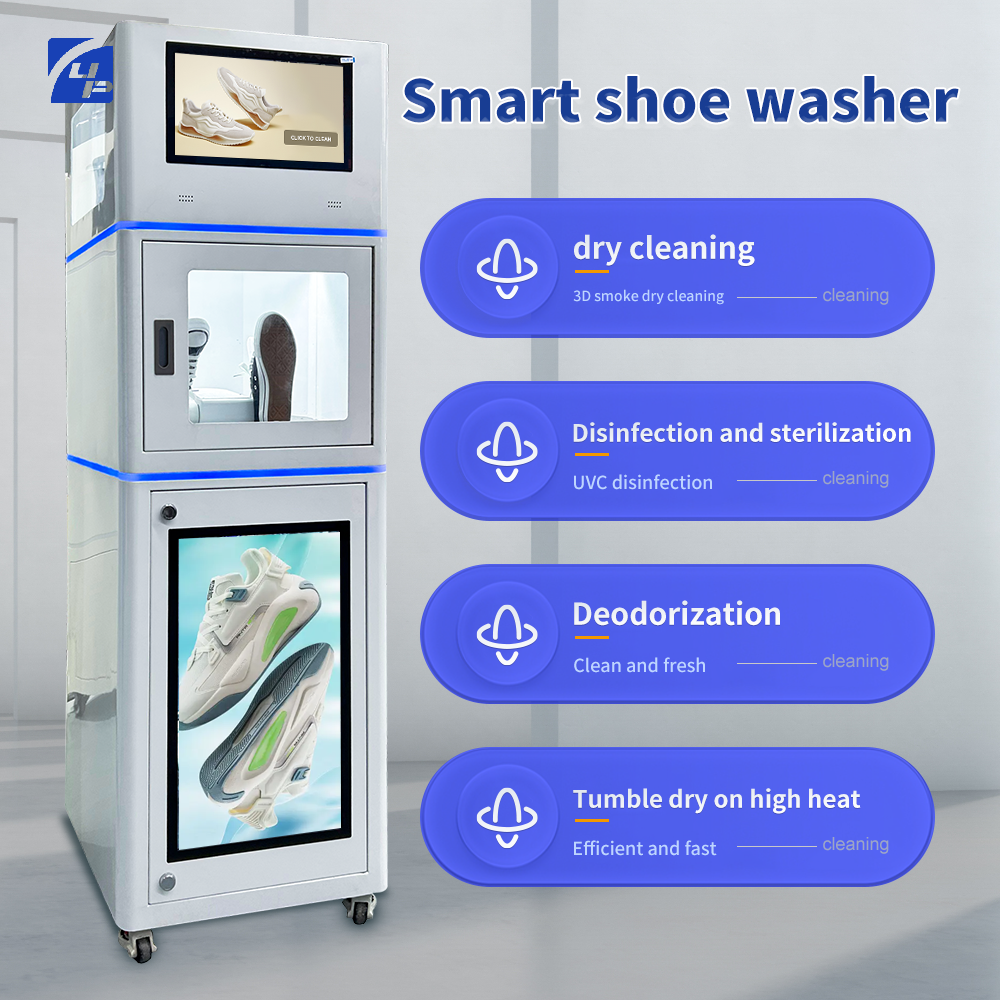
Industry-Specific Applications and Benefits
Healthcare Sector Implementation
In healthcare facilities, shoe washing machines play a crucial role in maintaining strict hygiene protocols. These machines help prevent the spread of pathogens between different hospital areas and reduce the risk of healthcare-associated infections. Medical professionals can quickly sanitize their footwear between rounds, ensuring compliance with infection control standards while maintaining efficient workflows.
The integration of shoe washing machines in healthcare settings also extends to visitor areas, where they serve as an additional layer of protection against external contaminants. This comprehensive approach to facility cleanliness demonstrates a commitment to patient safety and professional standards in healthcare environments.
Food Processing and Manufacturing Applications
The food processing industry has embraced shoe washing machines as essential equipment for maintaining sanitary conditions. These machines help facilities comply with strict food safety regulations by ensuring that workers' footwear meets cleanliness standards before entering production areas. The automated cleaning process provides consistent results and documentation capabilities for audit purposes.
Manufacturing facilities utilizing shoe washing machines report improved product quality control and reduced contamination risks. The machines' ability to handle heavy-duty cleaning requirements while maintaining quick processing times makes them particularly valuable in high-traffic industrial environments.
Technology and Innovation Features
Smart Cleaning Capabilities
Modern shoe washing machines incorporate advanced technologies that optimize the cleaning process. Sensors detect shoe size and type, adjusting cleaning parameters automatically for optimal results. Some models feature programmable settings that allow facilities to customize cleaning cycles based on specific requirements and environmental conditions.
The integration of IoT capabilities enables remote monitoring and maintenance scheduling, ensuring consistent performance and minimal downtime. These smart features contribute to the machines' efficiency and make them particularly attractive for large commercial installations.
Sustainable Operation Design
Environmental consciousness has driven the development of eco-friendly shoe washing machines. These systems often incorporate water recycling capabilities and energy-efficient operations that align with corporate sustainability goals. The use of biodegradable cleaning agents and optimized resource consumption demonstrates environmental responsibility while maintaining effective cleaning performance.
Manufacturers continue to innovate with designs that minimize water and energy usage without compromising cleaning effectiveness. This focus on sustainability makes shoe washing machines an attractive investment for businesses committed to reducing their environmental impact.
Implementation Considerations and Best Practices
Strategic Placement and Installation
Successful integration of shoe washing machines requires careful consideration of placement within commercial spaces. High-traffic areas near entrances and transition points between clean and potentially contaminated zones are ideal locations. Proper installation ensures optimal functionality and accessibility while maintaining smooth traffic flow.
Facilities should also consider factors such as water supply, drainage requirements, and electrical connections when planning machine placement. Creating dedicated cleaning stations with appropriate signage and instructions helps maximize machine utilization and effectiveness.
Maintenance and Operation Protocols
Establishing clear maintenance schedules and operating procedures is essential for long-term success with shoe washing machines. Regular cleaning of filters, replacement of cleaning solutions, and system checks ensure consistent performance and extend equipment lifespan. Training staff on proper usage and maintenance procedures helps prevent operational issues and ensures maximum benefit from the investment.
Documentation of maintenance activities and periodic performance reviews enable facilities to optimize their shoe washing programs and demonstrate compliance with relevant regulations. This systematic approach to machine management supports consistent cleanliness standards and operational efficiency.
Frequently Asked Questions
How long does a typical shoe washing cycle take?
A standard shoe washing cycle typically takes between 20-30 seconds for basic cleaning and up to 2-3 minutes for more thorough sanitization. The exact duration depends on the machine model and selected cleaning program.
What types of footwear can be cleaned in commercial shoe washing machines?
Most commercial shoe washing machines can accommodate various footwear types, including work boots, sneakers, and professional shoes. However, it's important to check manufacturer guidelines for specific restrictions regarding materials or shoe constructions that may not be suitable for machine cleaning.
How do shoe washing machines contribute to workplace safety?
Shoe washing machines enhance workplace safety by reducing slip hazards from dirty footwear, maintaining cleaner floor surfaces, and helping prevent the spread of contaminants between different areas of a facility. They also support compliance with health and safety regulations in various industries.