 EN
EN
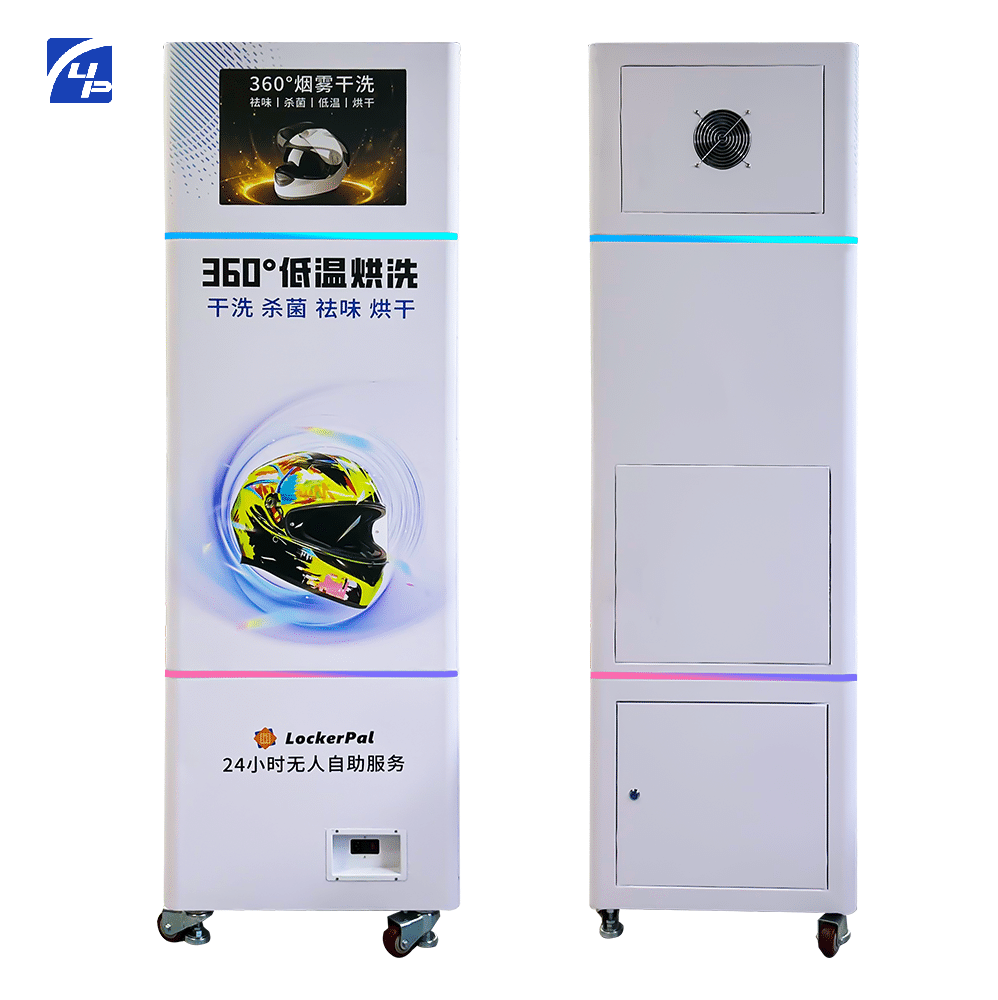
Bike-sharing programs have revolutionized urban transportation, offering convenient and eco-friendly mobility solutions across cities worldwide. However, as these services expand, operators face increasing challenges related to safety compliance, user satisfaction, and operational efficiency. One innovative solution gaining traction among forward-thinking bike-sharing companies is the integration of helmet vending machines into their service ecosystem. These automated dispensers not only address critical safety concerns but also create new revenue streams while demonstrating corporate responsibility toward rider welfare.
The growing emphasis on cyclist safety has prompted many municipalities to implement stricter helmet regulations, creating both opportunities and challenges for bike-sharing operators. Smart helmet dispensers represent a technological advancement that bridges the gap between regulatory compliance and user convenience. These systems offer 24/7 availability, ensuring that riders can access protective headgear whenever they need it, regardless of operating hours or staff availability.
Enhanced Safety and Risk Management
Reducing Liability Exposure
Bike-sharing operators operate in an increasingly litigious environment where safety incidents can result in significant financial and reputational damage. By providing easy access to protective equipment through helmet vending machines, companies demonstrate proactive commitment to rider safety. This initiative can substantially reduce liability exposure by showing that operators have taken reasonable steps to promote safe cycling practices among their users.
Insurance providers often view such safety initiatives favorably, potentially leading to reduced premium costs and improved coverage terms. The documented availability of safety equipment through automated systems creates a clear paper trail that can be valuable during legal proceedings or insurance claims. This proactive approach to risk management helps protect both the company's financial interests and its brand reputation in competitive markets.
Compliance with Local Regulations
Many jurisdictions have implemented or are considering mandatory helmet laws for cyclists, particularly in urban areas where bike-sharing services operate. Helmet vending machines enable operators to comply with these regulations while maintaining the convenience factor that makes their services attractive to users. Rather than requiring riders to bring their own helmets or limiting service availability, these automated systems provide an elegant solution that satisfies regulatory requirements.
The integration of compliance features into vending systems can include automated notifications about local helmet laws, ensuring that users are informed about safety requirements. Some advanced systems can even restrict bike rentals until a helmet has been dispensed, providing operators with concrete evidence of regulatory compliance efforts.
Operational Efficiency and Cost Benefits
Automated Revenue Generation
Modern helmet dispensers operate as autonomous profit centers that require minimal human intervention while generating consistent revenue streams. These systems can process payments through multiple channels, including credit cards, mobile payments, and integration with existing bike-sharing payment platforms. The automated nature of these transactions reduces labor costs while providing 24/7 service availability that matches the operating schedule of bike-sharing programs.
Revenue optimization features built into advanced vending systems allow operators to adjust pricing based on demand patterns, location-specific factors, and seasonal variations. Dynamic pricing capabilities help maximize profitability while ensuring that helmet access remains affordable for users. Integration with existing customer management systems enables targeted promotions and loyalty programs that can drive additional usage and revenue.
Reduced Maintenance and Staffing Requirements
Unlike traditional retail approaches that require dedicated staff and physical storefronts, helmet vending machines operate with minimal maintenance requirements. Modern systems feature self-diagnostic capabilities that alert operators to potential issues before they result in service disruptions. Remote monitoring technology allows staff to track inventory levels, payment processing, and system performance from centralized control centers.
The durability and weather resistance of commercial-grade vending equipment ensures reliable operation in various environmental conditions. Scheduled maintenance can be optimized based on actual usage patterns and system diagnostics, reducing unnecessary service calls and minimizing operational disruptions. This efficiency translates into lower operational costs and improved return on investment for bike-sharing operators.
Technology Integration and User Experience
Seamless Platform Integration
Advanced helmet vending machines can integrate directly with existing bike-sharing mobile applications and payment systems. This integration creates a unified user experience where helmet rental becomes part of the standard bike rental process. Users can reserve helmets through the same app they use to locate and unlock bikes, streamlining the entire transaction and reducing friction in the user journey.
API connectivity allows real-time synchronization between vending systems and bike-sharing platforms, enabling features such as combination bookings where users can reserve both a bike and helmet simultaneously. This integration also facilitates data sharing that helps operators understand usage patterns and optimize both bike and helmet distribution across their network.
Smart Features and Hygiene Standards
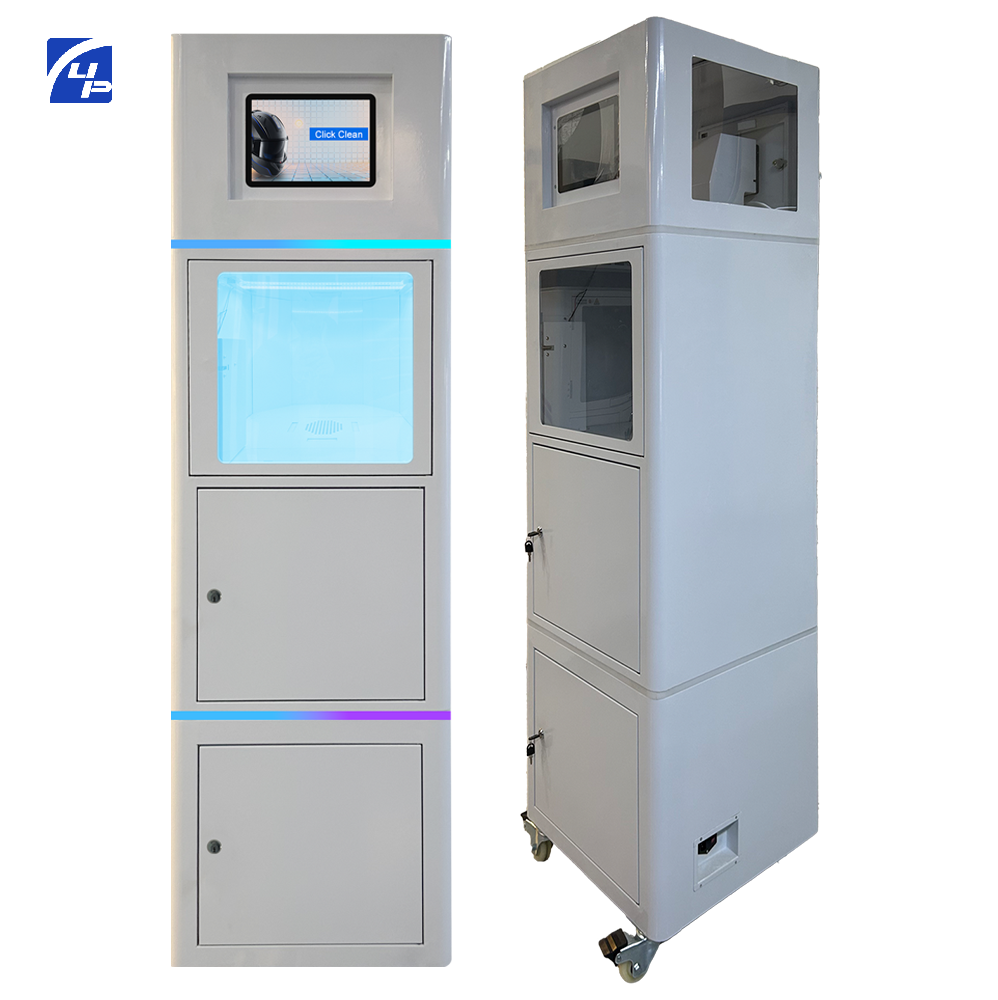
Modern helmet dispensers incorporate sophisticated hygiene and safety features that address user concerns about shared protective equipment. UV sterilization systems, automated cleaning cycles, and antimicrobial treatments ensure that each helmet meets high cleanliness standards before dispensing. These features are particularly important in post-pandemic environments where users have heightened awareness of hygiene issues.
Smart sizing systems use computer vision or user input to recommend appropriate helmet sizes, improving safety outcomes and user satisfaction. Some systems include adjustable helmets with automated fitting mechanisms that customize the fit for each user. Temperature and humidity monitoring ensure that helmets are stored in optimal conditions that maintain their protective properties and extend their service life.
Market Differentiation and Brand Value
Competitive Advantage in Crowded Markets
As bike-sharing markets become increasingly saturated, operators must differentiate their services to attract and retain users. The availability of helmet vending machines represents a unique value proposition that can set operators apart from competitors who rely solely on basic bike rental services. This differentiation becomes particularly valuable in markets where multiple operators compete for the same user base.
Marketing advantages extend beyond simple feature comparisons to include safety messaging and corporate responsibility positioning. Operators can leverage their commitment to rider safety in promotional campaigns, potentially attracting safety-conscious users who might otherwise choose alternative transportation options. This positioning can be especially effective in family-oriented markets and corporate partnerships where safety considerations carry significant weight in decision-making processes.
Corporate Social Responsibility Enhancement
The provision of safety equipment through automated systems demonstrates genuine commitment to community welfare that extends beyond profit considerations. This commitment resonates with stakeholders including municipal partners, investors, and users who increasingly value corporate social responsibility in their decision-making processes. The measurable impact of improved safety outcomes provides concrete evidence of positive community contribution.
Sustainability benefits also accrue from helmet vending programs when they incorporate recycling and refurbishment initiatives. Some systems accept returned helmets for cleaning and redistribution, creating circular economy benefits that appeal to environmentally conscious users and communities. These initiatives can support broader sustainability goals while reducing operational costs through equipment reuse programs.
Implementation Considerations and Best Practices
Strategic Location Planning
Successful helmet vending machine deployment requires careful consideration of location factors that influence usage patterns and operational efficiency. High-traffic areas near major bike-sharing stations typically generate the strongest demand, but operators must balance accessibility with security considerations. Locations should provide adequate protection from weather and vandalism while maintaining visibility for users and monitoring systems.
Demographic analysis helps identify locations where helmet usage is likely to be highest, such as areas with mandatory helmet laws, family-oriented destinations, or locations frequented by safety-conscious users. Partnership opportunities with existing businesses can provide secure indoor locations while creating mutually beneficial relationships that support both helmet vending operations and host business objectives.
Inventory Management and Optimization
Effective inventory management ensures that helmet vending machines maintain adequate stock levels while minimizing carrying costs and waste. Predictive analytics based on historical usage data, weather patterns, and local events help optimize restocking schedules and inventory levels. Seasonal adjustments account for fluctuations in bike-sharing demand that directly impact helmet rental patterns.
Quality control processes ensure that all helmets meet safety standards and maintain their protective properties throughout their service life. Regular inspection protocols and replacement schedules help maintain user confidence in the equipment while ensuring compliance with safety regulations. Tracking systems monitor helmet usage patterns and maintenance requirements to optimize replacement timing and reduce costs.
FAQ
What are the typical costs associated with implementing helmet vending machines?
Implementation costs vary significantly based on system features, location requirements, and integration complexity. Basic systems may cost between $5,000 to $15,000 per unit, while advanced systems with sterilization features and smart technology can range from $15,000 to $30,000. Ongoing operational costs include inventory, maintenance, payment processing fees, and location rental fees. Most operators find that revenue generation covers operational costs within 6-18 months, depending on location and usage patterns.
How do helmet vending machines ensure hygiene and safety standards?
Modern helmet vending systems incorporate multiple hygiene technologies including UV-C sterilization, ozone treatment, and antimicrobial coatings. Automated cleaning cycles run between uses or during low-demand periods to maintain sanitation standards. Temperature and humidity controls prevent bacterial growth and maintain helmet integrity. Quality assurance protocols include regular inspection schedules and automated monitoring systems that track helmet condition and usage patterns to ensure safety standards are maintained throughout the service life of each helmet.
Can helmet vending machines integrate with existing bike-sharing payment systems?
Yes, most commercial helmet vending systems offer API integration capabilities that allow seamless connection with existing bike-sharing platforms. This integration enables unified payment processing, combined reservations, and synchronized user accounts. Users can rent helmets through the same mobile app used for bike rentals, creating a streamlined experience. Payment integration supports multiple methods including credit cards, mobile payments, and platform-specific payment tokens, ensuring compatibility with existing user preferences and system requirements.
What maintenance requirements should operators expect with helmet vending machines?
Routine maintenance typically includes weekly inventory restocking, monthly cleaning system maintenance, and quarterly comprehensive system checks. Remote monitoring capabilities reduce the need for frequent site visits by alerting operators to issues such as low inventory, payment system problems, or mechanical malfunctions. Preventive maintenance schedules based on usage patterns help minimize unexpected downtime. Most systems are designed for outdoor operation and require minimal maintenance beyond inventory management and periodic cleaning of mechanical components. Software updates and system diagnostics can often be performed remotely, further reducing maintenance overhead.
Table of Contents
- Enhanced Safety and Risk Management
- Operational Efficiency and Cost Benefits
- Technology Integration and User Experience
- Market Differentiation and Brand Value
- Implementation Considerations and Best Practices
-
FAQ
- What are the typical costs associated with implementing helmet vending machines?
- How do helmet vending machines ensure hygiene and safety standards?
- Can helmet vending machines integrate with existing bike-sharing payment systems?
- What maintenance requirements should operators expect with helmet vending machines?